On this page
The direct answer
If you do not know when roof damage occurred, record when you discovered it and say that the occurrence date is uncertain. An inspection and existing records may narrow the likely period or possible cause. Whether that evidence is sufficient for insurance purposes depends on the policy, the facts, and applicable state law.
“Occurrence date” or “date of loss” generally refers to when the event causing damage happened, not simply when someone noticed the condition. The controlling meaning, however, comes from the policy and relevant law. Gradual deterioration, repeated leakage, and a single storm event can raise different coverage questions.
Why the uncertainty matters
Property policies commonly require notice after a loss, while deadlines and wording vary. The National Association of Insurance Commissioners advises notifying the insurer right away when filing a claim and notes that reporting time varies by state.
Timing can also affect which policy period is relevant and whether the available evidence connects the condition to a covered event. That does not mean a homeowner should select the nearest storm date. An unsupported date may conflict with inspection findings, earlier photographs, repair records, or weather data.
Evidence that can narrow the period
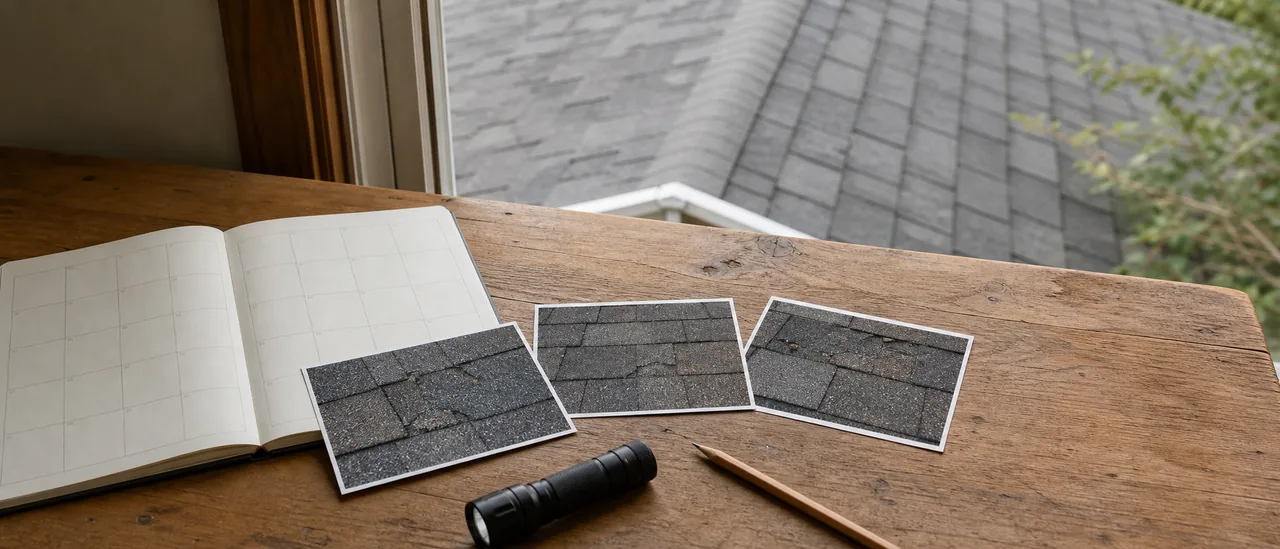
Start with records that already exist rather than trying to reconstruct certainty:
- dated roof, attic, gutter, or ceiling photographs;
- inspection, maintenance, and repair reports;
- the first dated message or note describing a leak or visible change;
- permit or reroof records; and
- official weather records for the relevant location and time range.
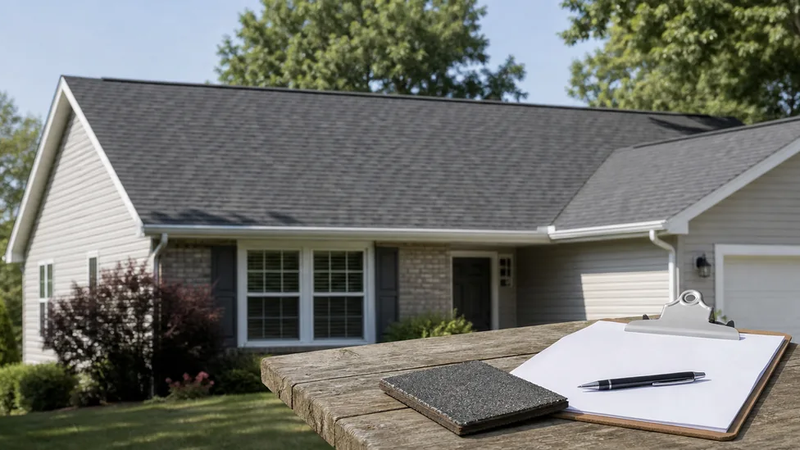
A roof inspection can document present conditions, distribution, material age, repairs, and plausible causes. Its limits should be explicit. Weathering can overlap, repairs may hide earlier conditions, and visual observations may not establish an exact day.
Weather records provide context, not property-specific proof
NOAA’s Storm Events Database documents reported storms and significant weather, but NOAA describes the record as partial and cautions that some information may be unverified. A nearby hail or wind report can support a timeline; by itself, it does not prove that a particular roof was damaged.
Practical bottom line
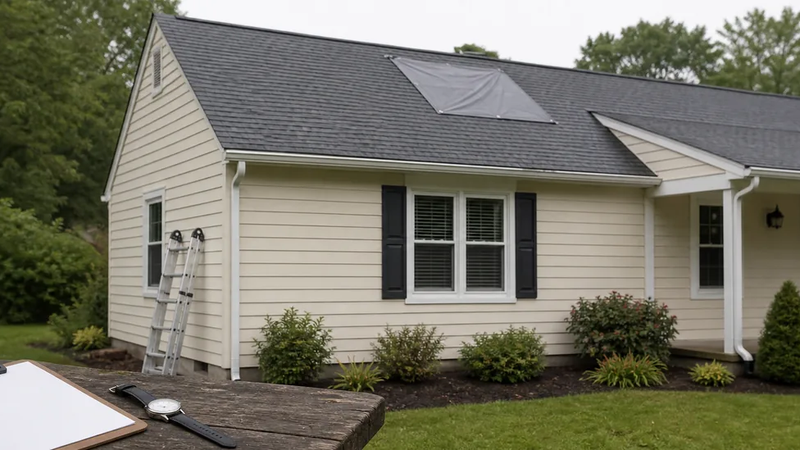
Document the roof before permanent repairs when it is safe to do so, and preserve invoices, photographs, samples, and temporary-repair receipts. California’s insurance regulator, for example, tells consumers not to make extensive permanent repairs until an adjuster has assessed the damage. Emergency work needed to prevent further damage should not be delayed.
When reporting the matter, distinguish the known discovery date from the unknown occurrence date. Ask which policy language and jurisdictional deadlines apply, and provide the available records without overstating what they show. If the date remains disputed or could affect coverage, an insurance-compliance reviewer familiar with the state and policy can evaluate that narrow issue.