On this page
A recent inspection may help
Yes, a recent roof inspection may help avoid nonrenewal, but only if the insurer accepts the inspector, report format, and findings—and no other underwriting issue controls the decision.
“Nonrenewal” means the insurer chooses not to continue a policy after its current term ends. It is different from cancellation during the policy term. A favorable report supplies current property evidence; it is not a promise that the insurer must renew.
Why the report can matter
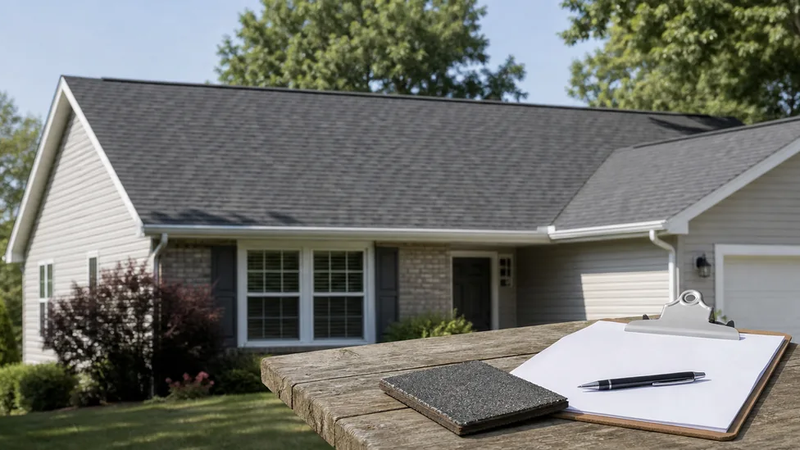
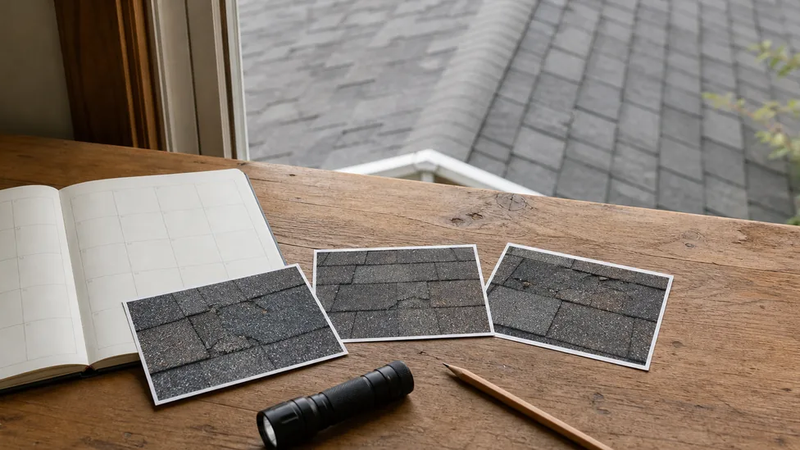
An insurer concerned about roof age or condition may want evidence about the roof that exists now. A useful report can identify the roof covering, inspection method, visible defects, drainage, flashing, and penetrations. Dated photographs may also show which areas were examined.
The report should address the insurer’s stated concern. A general home inspection may be too broad if the insurer requires a roof-specific form, an estimate of remaining useful life, or an inspector with particular credentials.
Ask about acceptance before ordering the inspection
Confirm the required form, inspector qualifications, submission deadline, and whether repairs or proof of completion are also required. An otherwise sound report may not resolve the issue if it does not meet those instructions.
What an inspection cannot establish
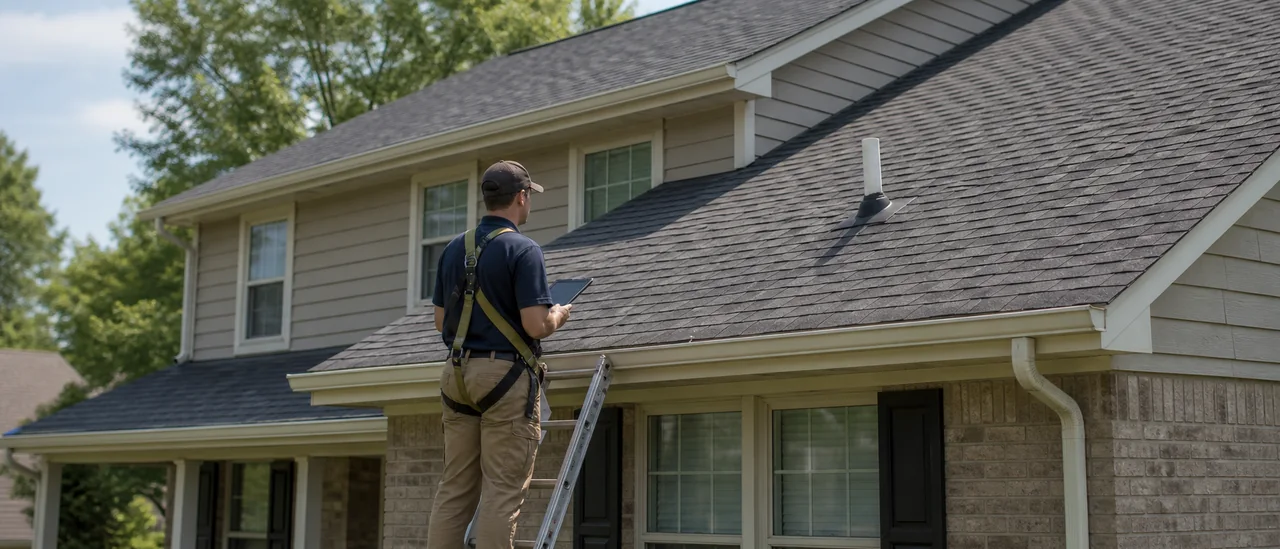
A visual inspection documents conditions that were accessible and observable on the inspection date. Under the American Society of Home Inspectors standard, roof inspection includes roofing materials, drainage systems, flashing, skylights, chimneys, and penetrations. The inspector must also describe the method used.
That scope has limits. “Readily accessible” excludes access requiring destructive measures or likely risk to people or property. Weather, roof pitch, fragile materials, debris, or lack of attic access can leave areas unobserved. A report should identify those exclusions rather than imply the entire assembly was visible.
Visual findings also cannot rule out every concealed defect beneath the covering or establish how an insurer will apply its underwriting rules. When a report identifies deterioration, an insurer may request repair documentation, another evaluation, or roof replacement instead of accepting the report alone.
State rules and insurer criteria still control
The result can change by jurisdiction. For example, Florida law says an insurer generally may not refuse to renew a homeowners policy solely because of roof age when an authorized inspection finds at least five years of useful life remaining. The same statute preserves nonrenewal for other lawful reasons and other underwriting criteria.
That is a specific state protection, not a nationwide rule. Notice periods, appeal options, accepted inspectors, and roof-age requirements may differ elsewhere.
Practical bottom line
A current, complete inspection is most helpful when it answers the exact roof concern and reaches the insurer before its deadline. Review the nonrenewal notice, obtain the insurer’s written requirements, and compare them with the report’s scope and exclusions. If important areas were inaccessible or specialized testing is requested, a qualified roof evaluation may be appropriate.