On this page
Yes, subject to state rules and policy terms
Yes, an insurer can generally require a roof inspection before offering renewal, but the insurer’s authority, notice duties, and available actions depend on state law and the policy. Washington’s insurance regulator expressly tells consumers that an insurer may require a property reinspection before renewal.
This is an underwriting inspection, not a claim inspection. The insurer is deciding whether the property still fits its renewal guidelines and what terms it will offer. Roof age, materials, and condition can affect that decision.
Renewal is different from cancellation
Renewal concerns the next policy term. Cancellation ends an existing term early. The rules, permitted reasons, and required notice can differ, so read the notice for the action the insurer is actually taking.
What the inspection may examine
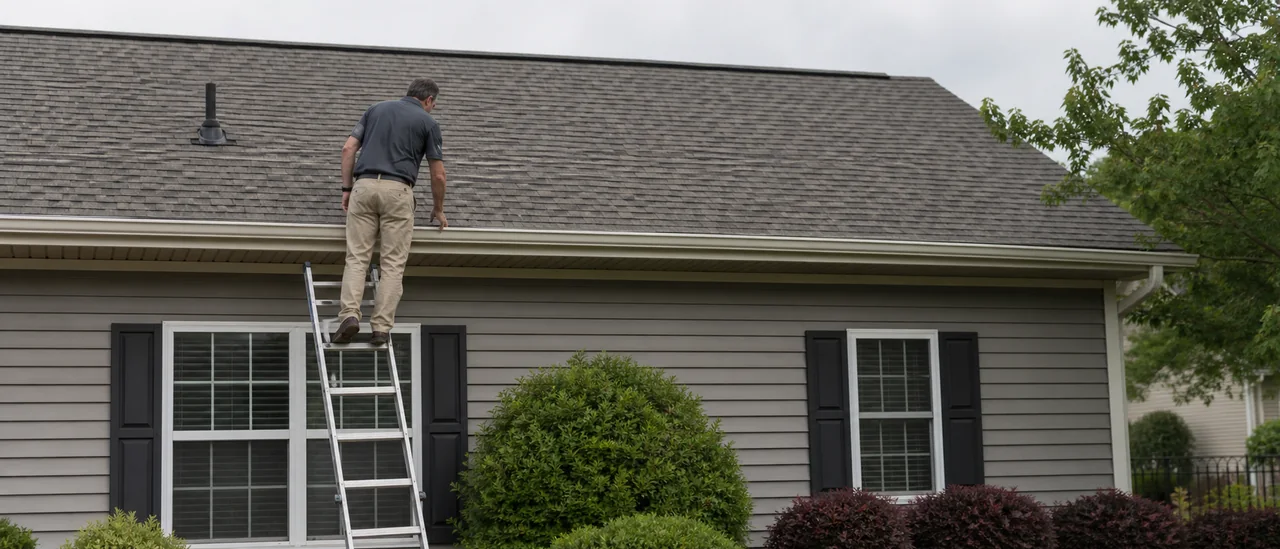
The requested scope can range from exterior photographs to an on-site review. The notice or scheduling instructions should identify whether access is needed and who will conduct the inspection.
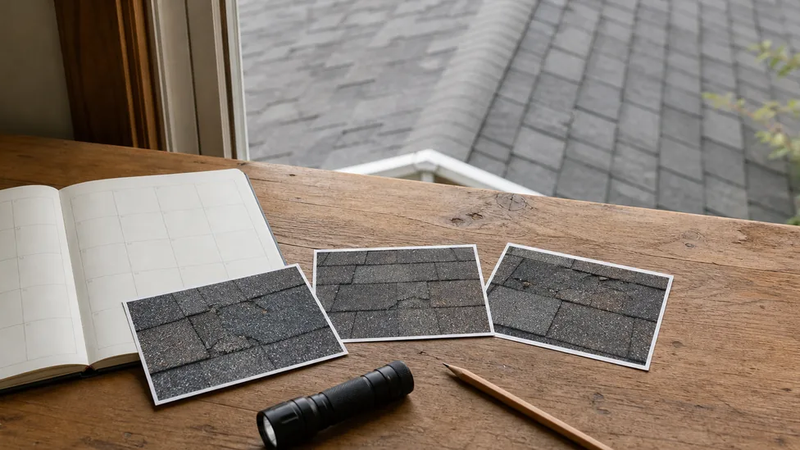
Visible roof conditions may include missing shingles, curled or cracked coverings, significant deterioration, and unrepaired damage. Those items appear in the Texas Department of Insurance’s standards for its Voluntary Inspection Program. An insurer’s own checklist may differ.
A visual report confirms only what was observed within its stated scope and conditions. It does not automatically establish the cause of every defect, reveal concealed moisture, or determine coverage for a future claim. Ask for the written findings if the insurer requests repairs or changes renewal terms.
Possible outcomes and important exceptions
An inspection does not automatically mean nonrenewal. The insurer might renew without changes, request documentation, require repairs, change roof coverage, alter the settlement basis, or decline to renew where permitted.
Texas guidance illustrates why jurisdiction matters. It says poor roof condition may lead an insurer to drop roof coverage, while a home in worse condition may lead to a repair deadline or nonrenewal. Texas also has a voluntary certificate-of-insurability process with specific protections and reinspection rules. Those provisions are not nationwide rules.
If the findings appear inaccurate, respond before the stated deadline. Useful records may include dated invoices, permits, photographs, warranties, or a report from a qualified roof professional. Ask the insurer which evidence it accepts and whether a follow-up inspection is available.
Practical bottom line
Treat the request as a renewal condition unless the insurer or state regulator says otherwise. Confirm the deadline, inspection scope, access requirements, and possible consequences in writing. Do not assume a passed inspection guarantees unchanged coverage, or that a failed inspection proves the roof needs replacement.
If the notice is unclear or the action seems inconsistent with state requirements, contact the state insurance department. Obtain a qualified roof evaluation when the reported condition cannot be resolved from the insurer’s photographs or written findings.