On this page
Yes—but keep the work temporary
Yes, you can usually make emergency repairs before contacting the insurer when they are reasonably necessary to prevent more damage. First document the condition if it is safe, keep the work limited, and notify the insurer as soon as possible.
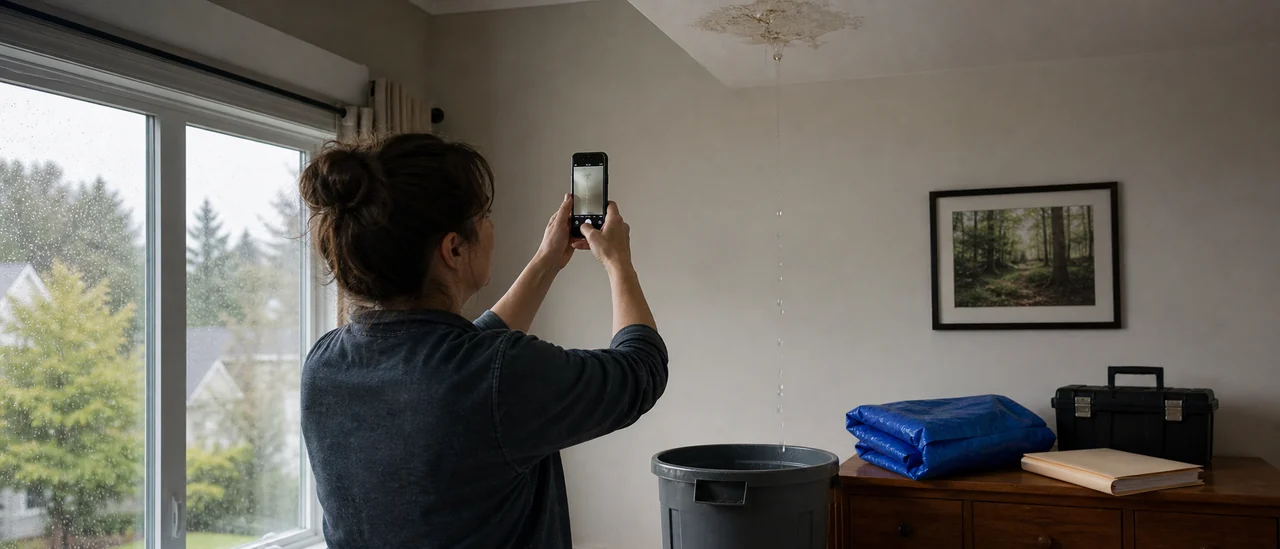
Insurance guidance calls these steps “mitigation.” Examples include covering a roof opening, boarding a broken window, stopping water at an accessible shutoff, or moving belongings away from an active leak. The goal is protection, not completing the permanent repair.
Do not trade safety for documentation
Stay off wet, steep, unstable, or storm-damaged roofs. Do not enter an unsafe structure or approach downed electrical lines. Take photographs only from a safe location and leave hazardous work to emergency personnel or qualified professionals.
Preserve what the insurer will need
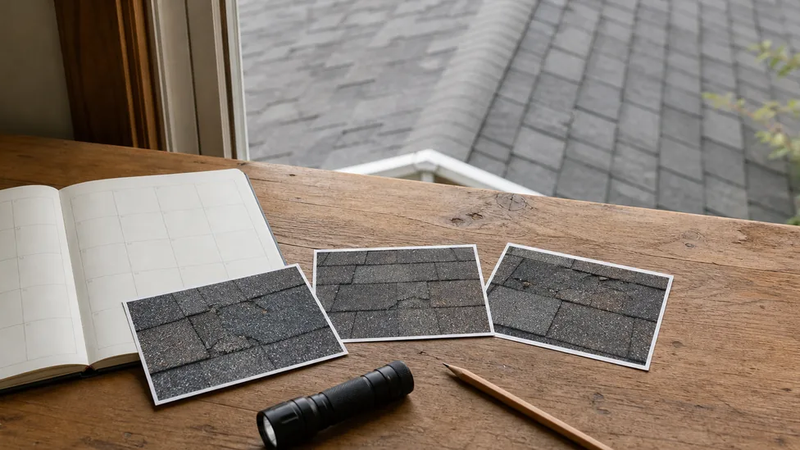
Before changing the scene, take wide and close photographs or video. Record when you discovered the damage and make a short list of affected areas and belongings. If possible, keep damaged materials or items for inspection rather than discarding them.
Save itemized receipts, invoices, and contractor notes for emergency labor and materials. The National Association of Insurance Commissioners says temporary repair costs are typically reimbursed as part of a covered claim, but that is not a guarantee. Coverage still depends on the cause of loss, policy terms, deductible, limits, and whether the expense was reasonable.
If immediate action leaves no time for a call, record what made the work urgent. Then contact the insurer promptly and ask how to submit the documentation.
Know where emergency work ends
A temporary measure limits additional loss. A permanent repair restores or replaces the damaged property. That distinction matters because permanent work can remove evidence the insurer needs to inspect.
The Texas Department of Insurance advises homeowners to make only repairs necessary to protect the property and not make permanent repairs until the insurer instructs them. State rules and policy duties vary, so follow the actual policy and the insurer’s directions once contact is possible.
Emergency work may be appropriate before contact when:
- waiting would allow rain, water, weather, or unauthorized entry to cause more damage;
- the measure is reversible or limited to stabilization; and
- photographs, damaged materials, measurements, and receipts preserve a clear record.
Replacing the entire roof, rebuilding a wall, or signing a broad restoration contract is different. Unless safety authorities require immediate action, wait for insurer instructions or written authorization before extensive permanent work.
Practical bottom line
Protect people first, document the original condition, and make only the minimum safe repair needed to prevent further loss. Report the damage promptly, save every receipt, and confirm the next steps under your policy before permanent repairs begin.
Related reading: Homeowners insurance and claims.