On this page
The shortest honest answer
Two minutes is the fastest useful benchmark—but only for radar-derived information. The National Weather Service says its ProbSevere model outputs hail probabilities every two minutes. A property-specific damage estimate has no universal turnaround because it requires evidence from that property, not just a storm signal.
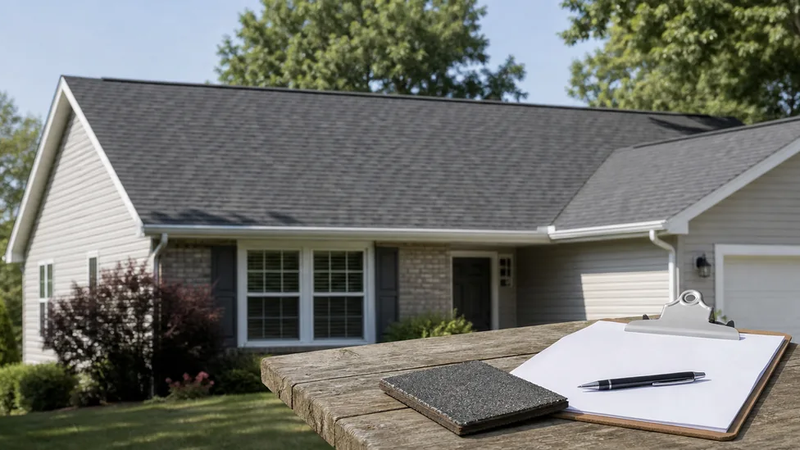
Once the necessary observations, measurements, photos, and scope are available, a straightforward estimate may be completed promptly. Complex or inaccessible damage, missing information, and heavy demand after a widespread storm can extend the wait. A promised delivery date from the person preparing the estimate is therefore more meaningful than a national “average.”
Three records, three different clocks
A radar estimate can update during a storm. An observed hail report may appear near real time but remain preliminary. A property-damage estimate comes only after location-specific conditions are documented and priced.
Why fast weather data is not a damage estimate
Radar can indicate hail within a storm and estimate hail size. NOAA’s National Severe Storms Laboratory explains that MESH can help verify incidents of hail after the fact. Yet National Weather Service guidance also notes that reflectivity alone cannot confirm large hail because high values can result from different precipitation sizes, types, and densities. Radar describes a storm; it does not examine a building or vehicle.
Observed hail reports add ground-level evidence. National Weather Service local storm reports identify the event, location, time, source, and hail magnitude. Offices also mark the magnitude as measured, estimated, or unknown. These reports are issued as close to real time as possible for qualifying events, but they remain preliminary until certification.
Neither record confirms damage at a particular address. Hail can vary within a storm, and neighboring materials can respond differently. A usable property estimate must connect documented damage to quantities, repair methods, labor, and materials for the item being estimated.
What changes the property-estimate timeline
Four variables matter most:
- Access: unsafe, blocked, wet, or poorly lit areas may require another visit.
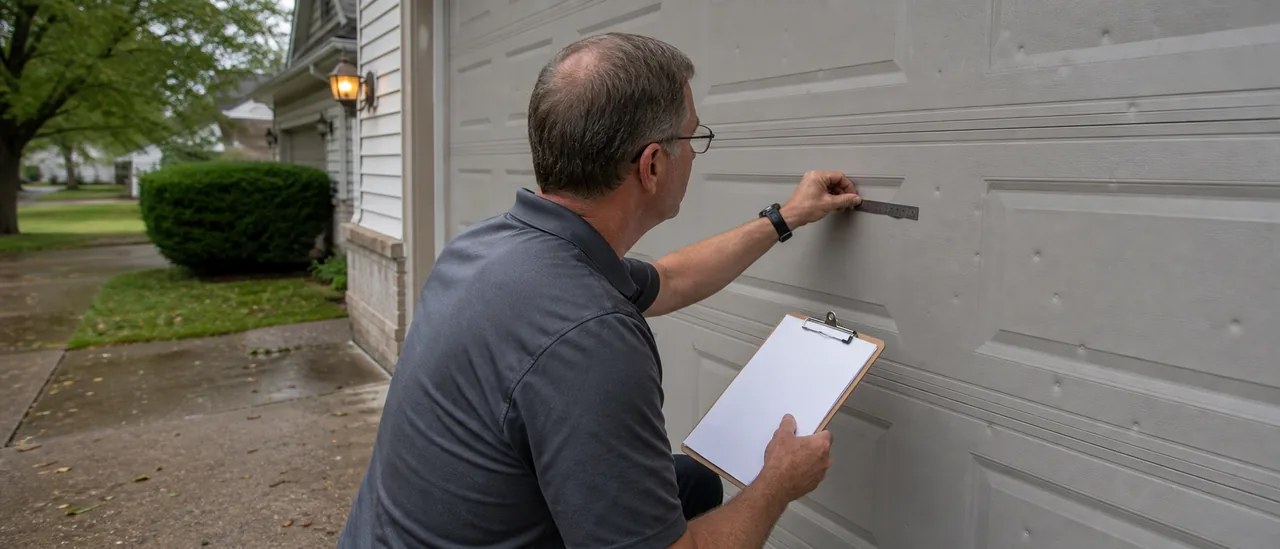
- Scope: one clearly visible damaged item takes less documentation than several materials or elevations.
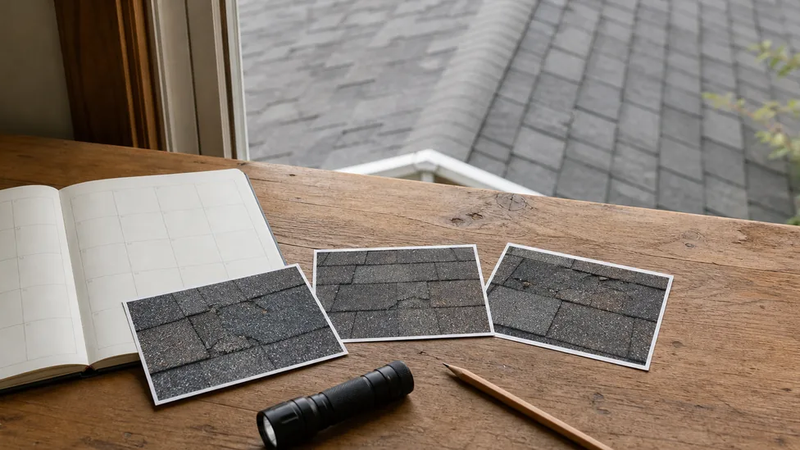
- Evidence: missing measurements, unclear photos, or concealed conditions can delay a complete scope.
- Demand: a major hail event can create appointment and processing backlogs across the affected area.
The first version may also be preliminary. If later access reveals additional conditions, the estimate can change without making the original weather data wrong.
Practical bottom line
Ask what “estimate” means before comparing turnaround times. Radar-based hail information may update in minutes, while official archived Storm Events data typically appears 75–90 days after the end of the data month. Neither is a substitute for a property estimate.
For the property-specific answer, confirm when documentation will occur, whether the written scope follows the same day or later, and what information could hold it up. That produces a realistic date without treating regional weather evidence as proof of damage.