On this page
A roof supplement documents a change to the original estimate
A roof supplement generally needs an itemized revised estimate, photos showing why added work is necessary, and records supporting quantities or costs. Depending on the issue, that may include roof measurements, supplier invoices or quotes, permit information, and the applicable code provision. Include the claim number and follow the insurer’s submission instructions.
A “roof supplement” is commonly a request to add or revise work after an initial property-claim estimate proves incomplete. It is not automatic approval or a separate finding that the roof damage is covered. Coverage and payment still depend on the policy, the documented loss, and the insurer’s review.
Texas insurance guidance provides a useful example of the terminology: it describes a contractor discussing “supplements and clarifications” when an original estimate is insufficient and a revised estimate is prepared. Procedures and legal roles vary by state, so the insurer’s written requirements control the format and destination.
Match each document to the requested change
A concise submission usually makes every added line item traceable. Common supporting records include:
- A revised, itemized estimate identifying additions or changed quantities rather than merely showing a higher total.
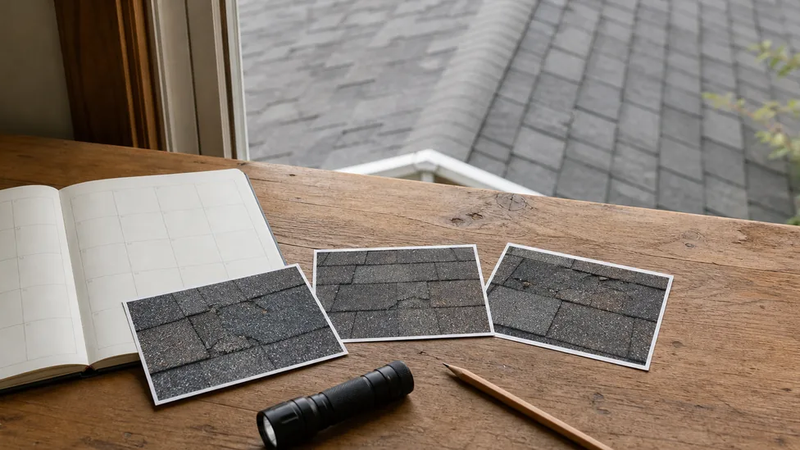
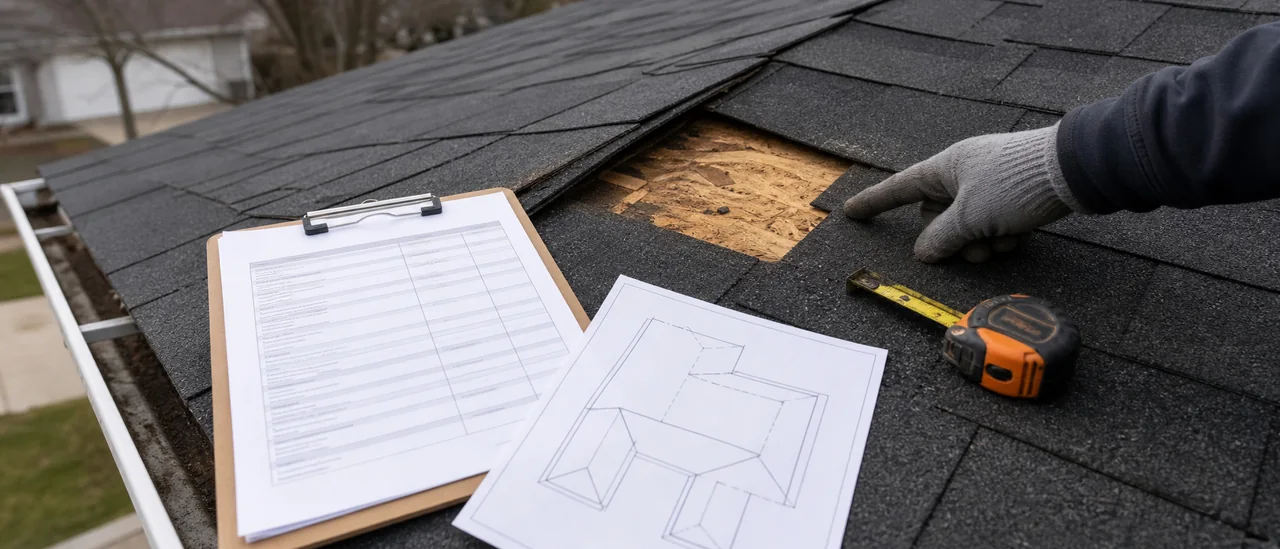
- Dated photos showing concealed damage, extra layers, damaged components, or site conditions that were not clear in the first inspection.
- Measurements or diagrams supporting roof area, slopes, ridges, valleys, flashing, or other quantities.
- Invoices, receipts, or supplier quotes supporting material purchases, disposal charges, permits, or other claimed costs.
- Code documentation, when code-required work is involved, identifying the adopted provision and explaining how it applies to this repair.
- Inspection or contractor notes explaining what was discovered, when it was found, and why the original scope cannot complete the documented repair.
Not every supplement needs every item. For example, corrected measurements may need a diagram, while concealed decking damage may be better supported by clear photos and an itemized quantity.
Evidence should explain the difference
A contract or total-price quote alone may not show what changed. Pair each requested addition with the record that supports its necessity, quantity, or cost, and keep descriptions consistent across the estimate, photographs, and invoices.
Confirm the submission before work hides the evidence
Ask the assigned adjuster or insurer which portal, form, file types, and claim identifiers are required. Confirm whether inspection is needed before added work proceeds, especially when removing materials will conceal the condition.
State insurance guidance consistently emphasizes documenting damage and retaining receipts. It also notes that when a policyholder believes more should be paid, supporting documents such as a contractor’s repair estimate can help explain why.
Submit promptly enough to preserve visible evidence and meet any policy or state deadlines. Keep copies of the original estimate, the supplement, attachments, and submission confirmation. If the documentation or coverage question remains unclear, a qualified insurance professional familiar with the applicable policy and state rules can evaluate the specific file.