On this page
Cancellation is possible when the contract allows it
Yes—a buyer may be able to cancel after a bad roof inspection, but only if the purchase contract or applicable law gives the buyer a live termination right. The report alone does not automatically end the sale.
An inspection contingency commonly makes the purchase dependent on satisfactory inspection results. The Consumer Financial Protection Bureau says a buyer with that contingency may cancel without penalty if dissatisfied with the inspection. The exact contract still controls what qualifies, how notice must be delivered, and when the right expires.
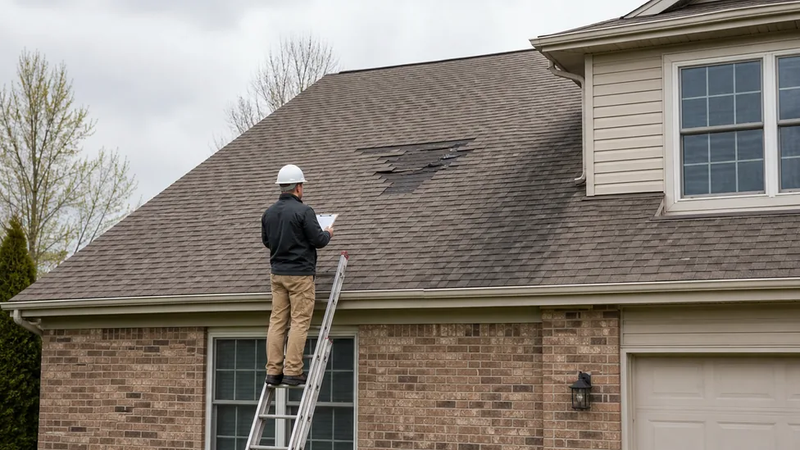
“Bad roof inspection” is not a standard legal outcome. It usually means the report identifies adverse conditions, recommends repair or replacement, or calls for further evaluation. A buyer should connect those findings to the wording of the signed agreement rather than treating the inspector's opinion as a cancellation notice.
Four paths the findings may create
| Contract or loan position | Likely path | Main risk |
|---|---|---|
| Inspection contingency is active | Cancel, request repairs, seek a credit, or proceed | Notice or deadline requirements may be strict |
| Seller accepts a repair amendment | Continue under the written amendment | Vague scope or missing completion evidence |
| Inspection contingency was waived or released | Negotiate voluntarily or use another valid contract right | Walking away may put earnest money or other remedies at risk |
| Lender identifies a property-condition issue | Satisfy the lender's repair or specialist-review condition | Loan approval may stall even if the buyer still wants the home |
These are different decisions. A request for repairs is generally a negotiation, not a cancellation. The seller may refuse unless the contract already requires the work. California's Department of Real Estate advises buyers to place desired inspections and other contingencies in the offer; it also warns that failing to complete a binding purchase can affect the deposit.
Roof findings can also affect financing
A home inspection and an appraisal serve different purposes. A private inspection informs the buyer about visible property conditions. An appraisal supports the lender's collateral and eligibility review.
For loans governed by Fannie Mae's Selling Guide, an appraiser must report apparent adverse conditions, but is not responsible for hidden or unapparent ones. A deficiency affecting safety, soundness, or structural integrity can make the appraisal subject to repairs or a satisfactory inspection by a qualified professional. The lender—not the home inspector—decides whether that evidence satisfies its requirements.
Financing trouble does not necessarily activate an inspection contingency. It may implicate a separate financing or appraisal clause, with different wording and deadlines. Likewise, a lender's repair requirement does not itself prove the buyer can cancel the purchase without consequences.
What the inspection can and cannot establish
Inspection scope matters when the decision depends on the report. Washington law, for example, defines a licensed home inspection as visual and noninvasive and limits it to readily accessible systems and components, including the roof. That illustrates why a report can document observed conditions without confirming every concealed layer or hidden leak.
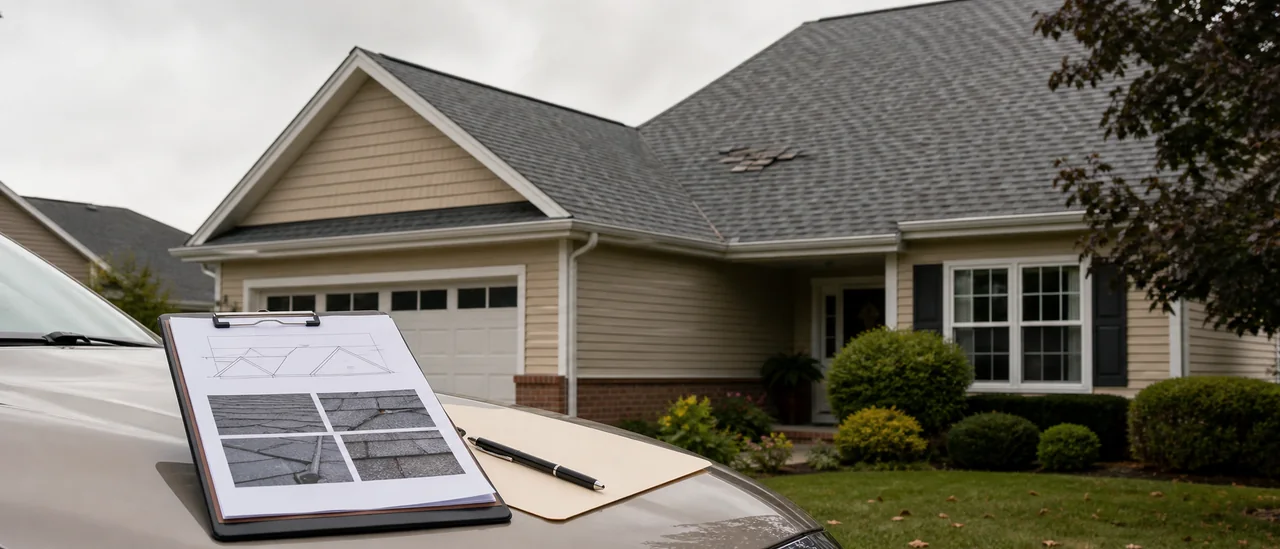
Review the report for the roof areas observed, inspection method, access limits, photographs, severity language, and recommendations for specialist evaluation. Separate a current defect from remaining-life estimates or maintenance advice, then obtain written repair terms and completion evidence if the transaction continues.
Before sending a termination or releasing a contingency, have the signed purchase agreement, addenda, inspection report, notice requirements, contingency deadlines, and lender conditions reviewed by the appropriate real-estate or legal professional; unresolved roof scope should also be reviewed by a qualified roof specialist.