On this page
Yes—inspect a flipped house before buying
Get an independent home inspection on a flipped house, just as you would on another resale. The main condition that changes the plan is not the new paint or the seller's renovation list. It is whether the inspector finds concerns that require a more focused evaluation before your contract deadline.
A flip generally means a property was bought, renovated, and resold within a relatively short period. That history does not prove either good or poor workmanship. It simply means several systems may have changed since the prior sale, while some older components may remain behind the finishes.
The Consumer Financial Protection Bureau recommends scheduling an independent inspection promptly. It also distinguishes an inspection of physical condition from an appraisal, which primarily addresses value for the lender.
A clean finish is not a scope of work
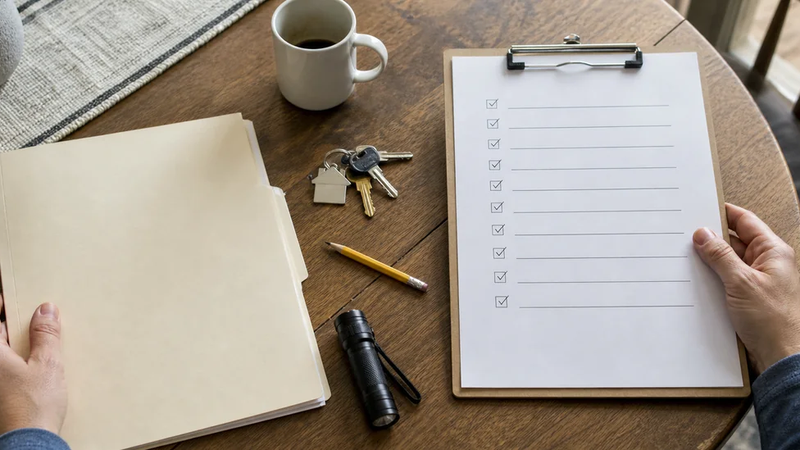
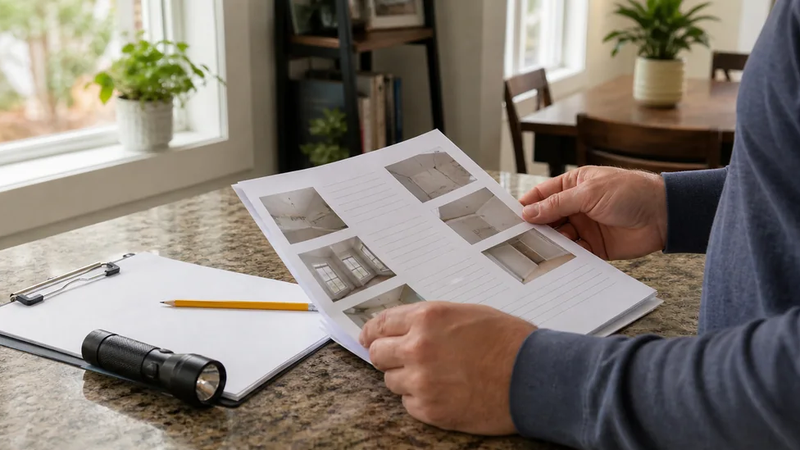
Ask for an itemized renovation list, invoices, transferable warranties, contractor details, and permit or inspection records where applicable. Compare those documents with what is actually installed; paperwork and appearance answer different questions.
What the inspection can tell you
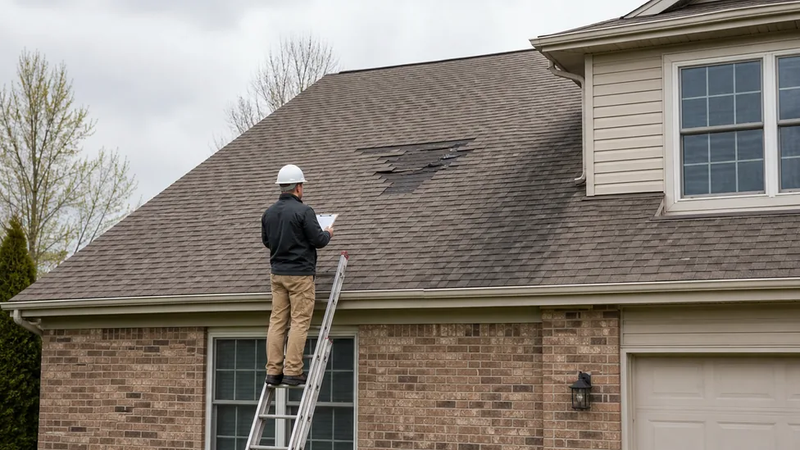
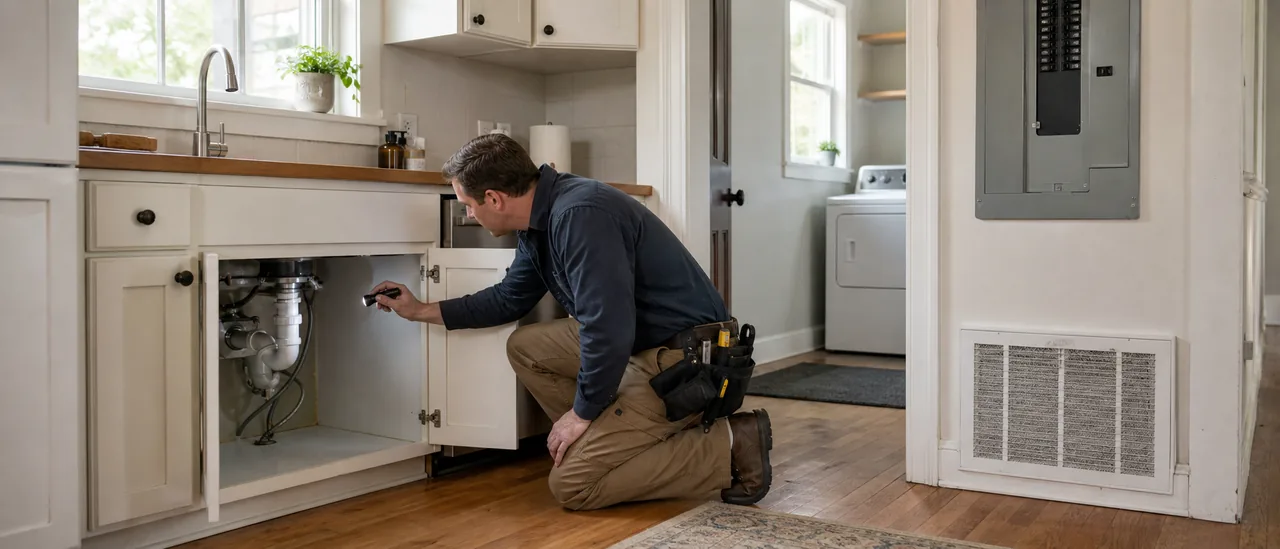
A standard inspection can identify visible conditions in readily accessible structure, roofing, exterior, plumbing, electrical, heating, cooling, insulation, ventilation, and interior components covered by the inspector's standard of practice. Normal operating controls and readily openable access panels may also reveal systems that do not function as expected.
For a renovated home, ask the inspector to pay close attention to transitions between old and new work. Useful observations may include active leakage, unsafe wiring conditions, inadequate drainage, missing supports, poor ventilation, or equipment that does not operate normally. The report should distinguish an observed condition from a suspected cause.
Attend if possible. Seeing the conditions can help you understand which items are routine maintenance, which need repair, and which justify specialist review.
What a visual inspection cannot confirm
Even a careful inspection is not technically exhaustive. Under the American Society of Home Inspectors' standard, it is a visual examination of readily accessible systems and does not require destructive investigation. Concealed conditions, code compliance, future performance, repair costs, and components that cannot be accessed may remain outside its scope.
That matters in a flip because drywall, flooring, cabinets, and insulation can hide earlier construction. An inspector cannot certify unseen framing, wiring, plumbing, or waterproofing merely because nearby finishes look sound. Permit records can show what was submitted to an authority, but they do not expand the home inspection or make hidden work visible.
Review the pre-inspection agreement before the appointment. Confirm which structures and systems are included, how the roof and crawlspace will be viewed, and whether utilities will be on. A limitation such as a blocked attic, shut-down appliance, or inaccessible electrical panel should remain a limitation—not be interpreted as a pass.
Decide on follow-up before the deadline
Use the inspection findings, renovation documents, seller disclosures, and your contract terms together. Consider focused evaluation when the evidence points beyond a general inspection—for example, by a structural engineer for suspected movement or a licensed electrician, plumber, HVAC contractor, chimney professional, sewer-scope provider, or environmental tester for a relevant concern.
The practical decision is straightforward: do not waive an inspection because a flipped house looks new. Choose an inspector who works for you, preserve enough time for additional evaluation, and judge the renovation by accessible evidence and records rather than finishes alone.