On this page
Yes—if the damage does not violate the loan's property requirements
Yes, a conventional loan can close with roof damage, but only if the lender accepts the property's condition and clears every repair or documentation condition. Minor damage may be accepted as is. An active leak, unsafe condition, or damage affecting structural integrity may require repair before closing.
“Conventional” does not mean one universal property standard. The Consumer Financial Protection Bureau defines a conventional loan as a mortgage not insured or guaranteed by the government. Conventional loans may be conforming or non-conforming, so the lender, investor guidelines, appraisal, and loan terms all matter.
Why the severity matters
Under Fannie Mae requirements, an appraisal may be completed “as is” when conditions are minor and do not affect safety, soundness, or structural integrity. Needed repairs and deferred maintenance must still be reported.
Fannie Mae treats an initial C6 condition differently. A property with deficiencies affecting safety, soundness, or structural integrity must be appraised subject to completion of the deficient items, with a minimum resulting C5 rating. Roof damage is therefore not an automatic rejection; its observed effects and the appraisal's conditions control the next step.
An appraisal is not a roof inspection
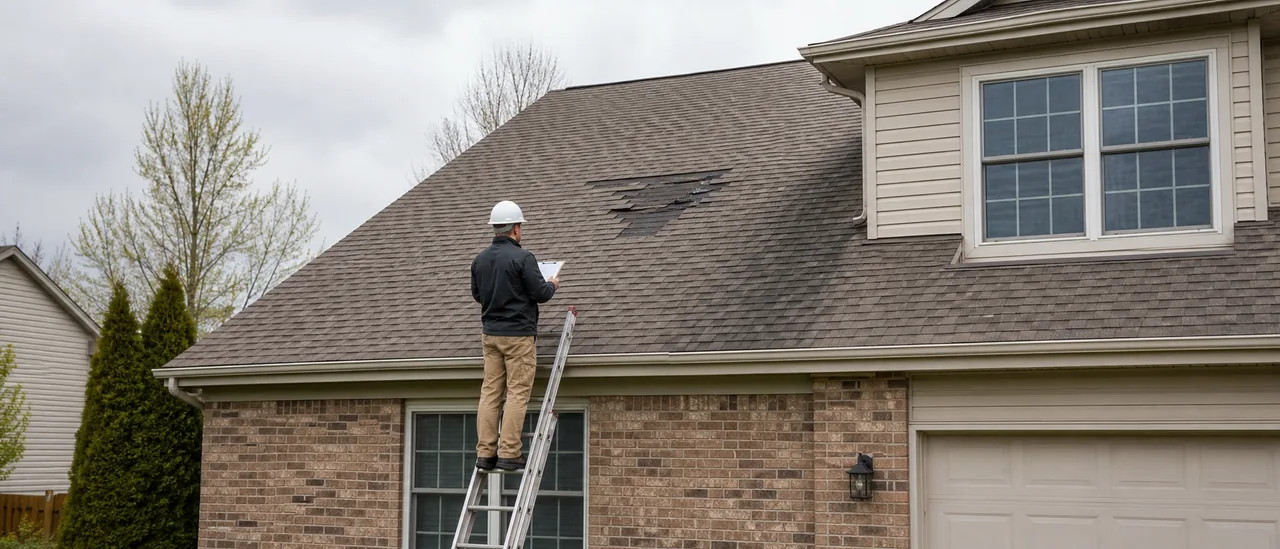
Appraisers report apparent adverse conditions, but are not responsible for hidden or unapparent conditions. A roof inspection may be needed to determine whether visible damage involves active leakage or concealed deterioration.
What can allow—or delay—closing
The file may proceed as is when the damage is minor, reflected in the value, and acceptable under the lender's rules. When repairs are required, closing usually depends on the named condition being satisfied. CFPB guidance says a lender can require a major repair, such as a new roof, before closing or may require money in a special account for repair after closing.
The practical variables are:
- whether the roof is actively leaking or allowing weather intrusion;
- whether decking, framing, electrical components, or interior finishes are affected;
- whether the appraisal is “as is” or “subject to” repair or inspection;
- what completion evidence the lender requires, such as invoices, photographs, or a reinspection; and
- whether the purchase contract, local law, or required property insurance creates a separate deadline or condition.
A seller credit alone does not necessarily satisfy a repair condition. Likewise, an inspection contingency and a lender condition serve different purposes. Contract rights and remedies depend on the signed agreement and applicable law.
Practical bottom line
Roof damage can coexist with a conventional closing when it remains within the lender's acceptable property condition or an approved repair arrangement. It can delay closing when the appraisal or underwriting file requires repair, professional evaluation, proof of completion, or updated value confirmation.
Before setting the closing date, obtain the roof inspection or repair documents named in the appraisal, then have the lender confirm in writing that every property-condition requirement is cleared; direct contract or jurisdiction questions to the transaction's licensed attorney.