On this page
As-is usually means the seller is not promising repairs
After a home inspection, “as-is” usually means the seller intends to transfer the property in its present condition rather than promise repairs. It does not mean the inspection passed, that defects are harmless, or that the buyer must ignore the report.
The signed purchase agreement controls the practical result. An as-is term may coexist with a buyer’s right to inspect, investigate, request changes, or cancel under an inspection contingency. Those options are not automatic; their deadlines and limits vary by contract and state law.
As-is is not the same as unseen
The phrase allocates responsibility for the property’s condition. It does not convert visible defects into acceptable ones or prove that concealed areas are sound.
What the inspection changes—and what it does not
The inspection gives the buyer information to use within the contract. A report might identify a safety concern, an active defect, deferred maintenance, or a condition needing specialist evaluation. The buyer can then compare the findings with the agreed as-is language and any contingency.
Possible next steps may include:
- accepting the condition and proceeding;
- asking for a repair, credit, or price change;
- obtaining a specialist’s evaluation;
- ending the transaction, if the contract permits.
A seller can decline a new repair request when no contract term requires acceptance. Conversely, “as-is” does not universally erase seller disclosure duties. For example, California’s real-estate reference book describes present-condition sales as subject to buyer inspections and says sellers must disclose material facts and defects. Requirements elsewhere may differ.
What a visual inspection can confirm
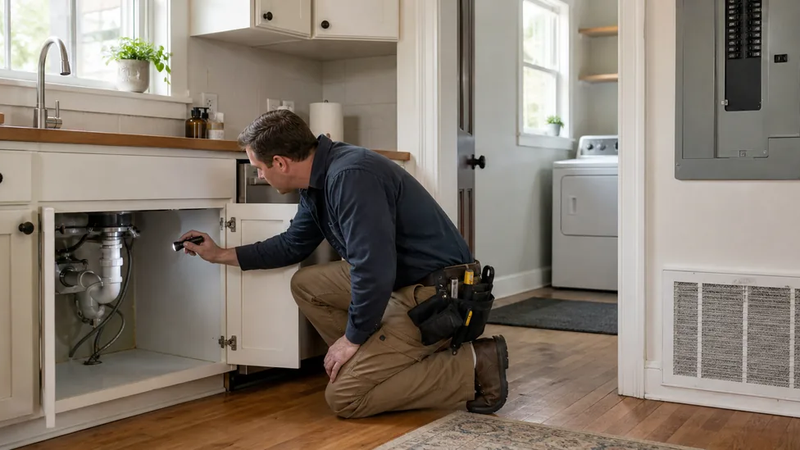
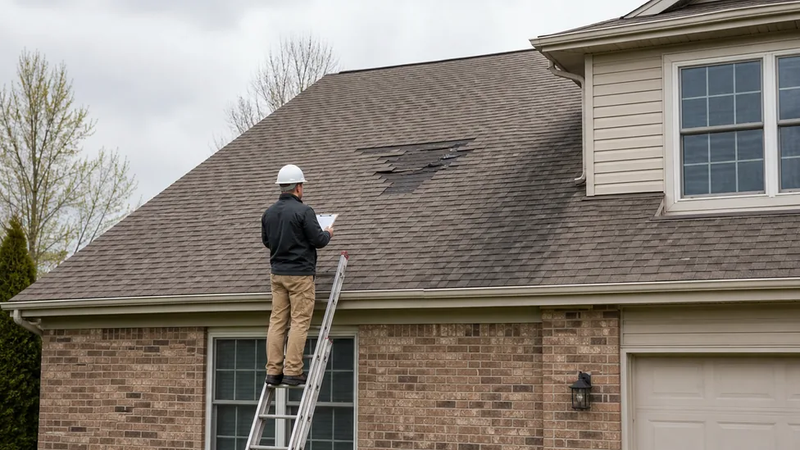
A general home inspection documents conditions that were readily accessible and visually observable at the inspection time. Under the American Society of Home Inspectors’ standard, it is not technically exhaustive and need not identify concealed conditions or latent defects.
That distinction matters in an as-is purchase. Stains can support a report of visible staining, but they may not establish the moisture source. Cracking can be documented, yet its cause or structural significance may require further evaluation. Areas blocked by belongings, finishes, or unsafe access remain unknown rather than confirmed defect-free.
Decide according to the contract and the unresolved risk
Read the inspection findings, exclusions, and inaccessible areas together. Then check the purchase agreement for the inspection-contingency deadline, required notice method, as-is language, and available remedies.
Prioritize follow-up when a finding could affect safety, habitability, financing, or the decision to buy. A qualified specialist may be appropriate when the inspector recommends one or when the cause and repair scope cannot be confirmed visually. For contract or disclosure questions, use a qualified local real-estate professional or attorney rather than assuming the phrase has one nationwide effect.