On this page
Yes—but the contract and access rules control
Yes, a buyer can usually get a roof inspection before closing, provided the purchase contract allows enough time and the visit is properly authorized. The buyer should not treat an accepted offer as permission to enter the property or send someone onto the roof without arranging access through the transaction process.
The Consumer Financial Protection Bureau recommends scheduling an independent home inspection as soon as possible. An early inspection leaves time for any additional evaluation before an inspection deadline or closing date.
The right to negotiate, cancel, or recover earnest money is a separate issue. It depends on the contract, the inspection contingency, deadlines, notices, and local law. The CFPB explains that a satisfactory-inspection contingency can permit cancellation without penalty when the buyer is dissatisfied, but that result should not be assumed when the contingency was waived, removed, or expired.
When a separate roof inspection makes sense
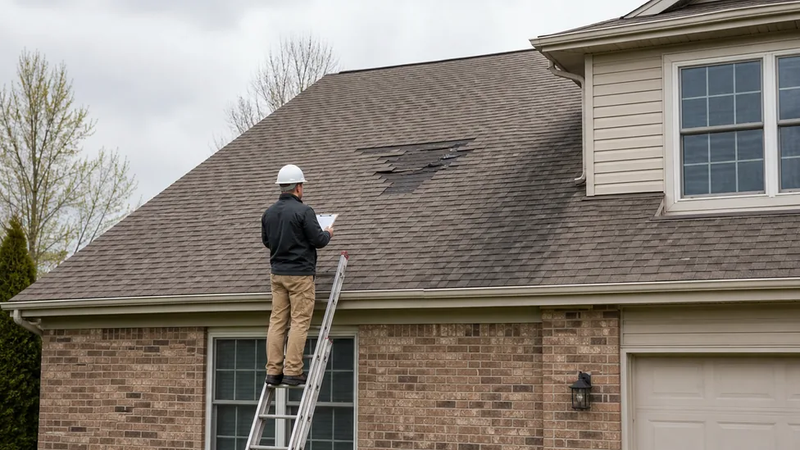
A general home inspection may already include accessible, visible roof components. A roof-specific inspection can be useful when the general report identifies a concern, the roof was viewed only from the ground, records conflict about its age or repairs, or the lender requests targeted documentation.
| Transaction factor | What it changes | Practical response |
|---|---|---|
| Inspection period remains open | The contract may preserve defined options after findings | Schedule promptly and follow notice requirements |
| Contingency was waived or expired | An inspection may still provide information, but contractual remedies may be limited | Review the contract before requesting concessions or cancellation |
| Roof access is unsafe or restricted | The inspector may use a limited vantage point or decline part of the work | Ask the report to identify the inspection method and excluded areas |
| Lender flags roof condition | Private findings may not satisfy the lender's documentation standard | Ask the lender what report, inspector qualification, or repair proof it requires |
What the inspection can establish
“Roof inspection” does not describe one universal service. The agreement should state whether it covers roofing materials, drainage, flashing, penetrations, accessible roof structure, attic conditions, or only selected exterior components.
InterNACHI's residential standard describes a home inspection as a non-invasive visual examination of accessible areas. Its roof section covers roofing materials, gutters, downspouts, penetrations, and the general roof structure from readily accessible openings. It does not require walking the roof, performing a water test, predicting service life, or warranting the roof.
A favorable report is not a roof guarantee
The inspection documents conditions visible on that date. It cannot confirm concealed decking, every fastening, future leak performance, or areas blocked by height, weather, finishes, insulation, or unsafe access.
How findings can affect closing
An inspection and an appraisal serve different purposes. The buyer's inspection informs the buyer, while a lender generally uses an appraisal in its collateral decision. A private roof report does not automatically replace an appraisal condition or bind the seller to make repairs.
If a roof problem is found, the available paths may include proceeding as agreed, negotiating a repair or credit, obtaining a specialist opinion, or using a valid contractual cancellation right. Those choices must fit the written agreement and lender rules. The CFPB notes that some loan programs impose property standards and that a lender may require a major repair, such as a new roof, before closing.
Before the inspection deadline expires, obtain the written roof report and have the purchase contract, inspection notice, proposed repair terms, and lender requirements reviewed by the appropriate real-estate, lending, legal, or roof specialist.