On this page
The direct answer
Yes, a buyer can request a roof reinspection after repairs, but access, timing, and remedies depend on the purchase contract, any repair amendment, and local law. A request alone does not necessarily give the buyer a right to enter again, extend a deadline, or require further work.
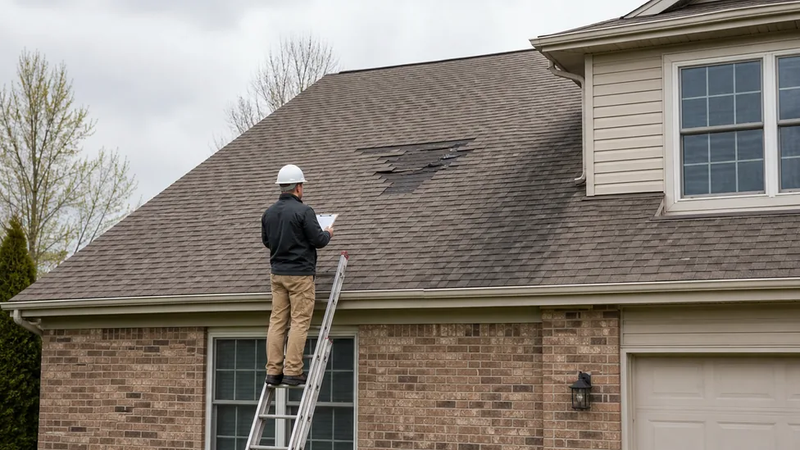
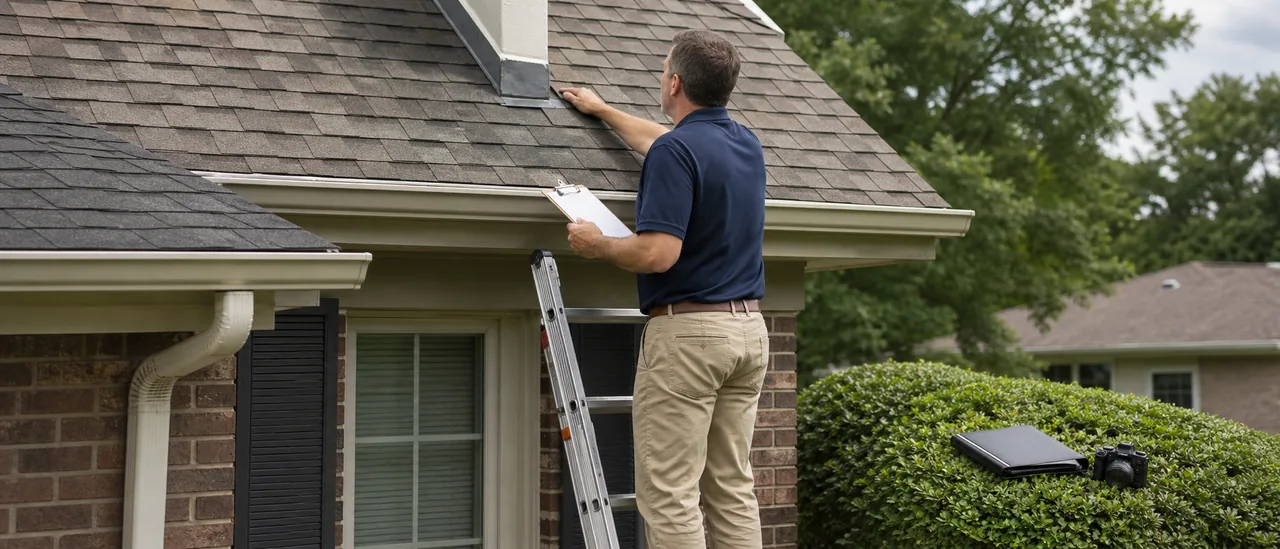
Here, “reinspection” means a focused follow-up examination of the repaired roof areas and related visible conditions. It is not automatically a new whole-home inspection, a code-compliance approval, or the lender’s verification that an appraisal condition was satisfied.
Federal consumer guidance says buyers may negotiate over needed repairs, while a seller’s agreement depends partly on the purchase contract. It also recommends allowing time for additional inspections. Those points make the written agreement and remaining deadlines the starting place—not a general assumption that every buyer receives another inspection.
When the request is strongest
A reinspection request is most useful when the repair agreement identifies the original defect, required work, acceptable performer, completion deadline, and buyer’s verification rights. The buyer should make the request before waiving the applicable inspection contingency or accepting the repair as complete.
Use the original report and repair agreement to define the follow-up scope:
| Transaction question | Document or review that answers it |
|---|---|
| Was the promised work completed? | Signed repair agreement, paid invoice, permit or final approval when required, and completion photos |
| Is the repaired area visibly performing as intended? | Focused reinspection by the original inspector or a qualified roof specialist |
| Does the lender’s condition remain open? | Written instructions from the lender and the required appraisal-completion or professional report |
| Can the buyer delay, object, or seek another remedy? | Purchase contract, amendments, notices, deadlines, and jurisdiction-specific legal advice |
Receipts and photographs document work, but they do not independently establish the present condition of every roof component. Conversely, a reinspection can document visible results without proving who performed the work, what materials were installed beneath the surface, or whether permits were closed.
A buyer’s reinspection and a lender’s verification are different
A buyer may hire an inspector to evaluate visible repairs, while a lender may require its own completion evidence. Ask the lender what form, photographs, appraiser visit, or qualified-professional report it will accept.
What the follow-up can—and cannot—confirm
The reinspection agreement should identify the roof areas, repair items, access method, and reporting format. Under one widely used home-inspection standard, an inspection is a non-invasive visual examination of accessible areas based on conditions observed that day. Its roof scope includes covering materials, drainage components, penetrations, and general structure visible through readily accessible openings.
That standard does not require an inspector to walk on every roof, remove debris or insulation, perform a water test, certify the roof, or confirm proper fastening or installation. Fresh surface materials may therefore look complete while underlayment, decking, fasteners, concealed flashing details, or moisture paths remain unverified.
Weather, unsafe access, occupied spaces, and repaired areas hidden by finishes can further limit the visit. The report should state what was observed, what remained inaccessible, and whether a roofer, engineer, building official, or other specialist is needed.
Financing and closing can change the process
The buyer’s inspector does not decide whether a loan condition is cleared. For loans following current Fannie Mae guidance, Form 1004D or permitted alternatives may confirm that appraisal conditions for repairs were met. Existing-construction inspections requiring a professionally prepared report must be performed by a qualified professional, and the lender determines whether resulting repairs are required.
Other loan programs and lenders may use different evidence. Before closing or releasing an inspection objection, obtain the complete repair records and focused reinspection report, then have the lender and a real-estate attorney or other qualified transaction professional confirm that the contract, notice, and financing requirements are satisfied.