On this page
Direct answer
Yes, a home inspection can miss hidden problems because a standard inspection is primarily visual and limited to accessible areas at the time of the visit. It can identify visible defects and warning signs, but it cannot confirm conditions concealed behind finished walls, beneath floors, underground, or inside equipment that is not opened or dismantled.
This does not make the inspection pointless. It means the report is a snapshot with defined boundaries, not a guarantee that every component is defect-free.
Why hidden conditions can remain hidden
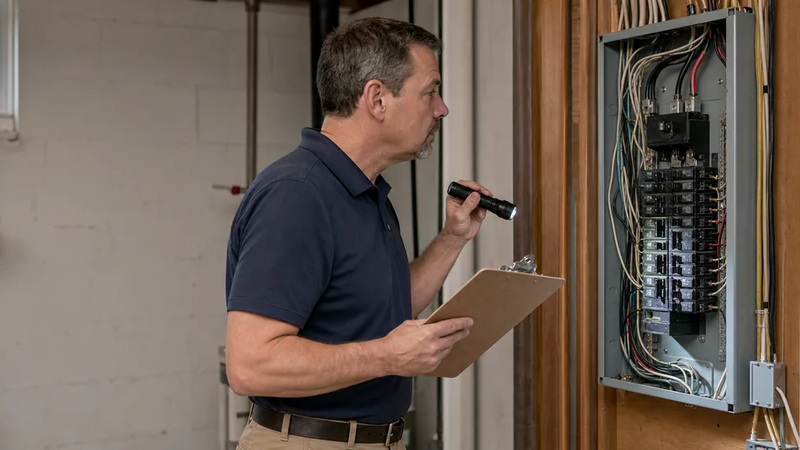
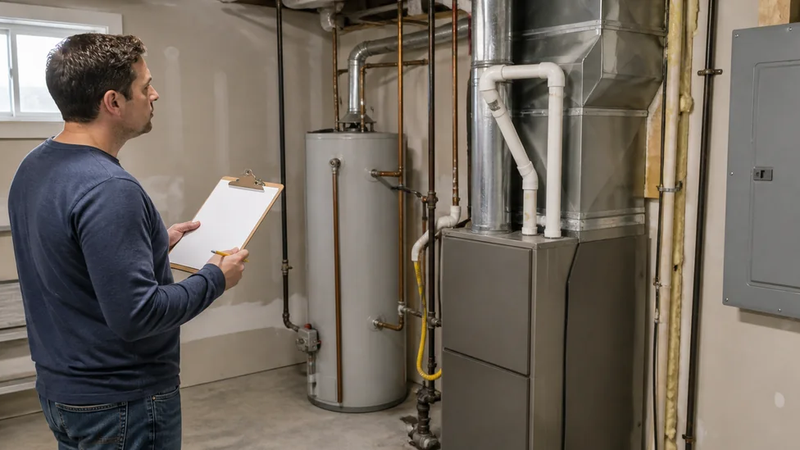
The American Society of Home Inspectors’ Standard of Practice applies to inspectors who subscribe to it. The standard calls for inspection of installed systems and components that are readily accessible and visually observable. It also says inspections under that standard are not technically exhaustive and need not identify concealed conditions or latent defects.
Access can be limited by stored belongings, furniture, wall and floor coverings, insulation, snow, locked spaces, unsafe conditions, or sealed access panels. Inspectors following the ASHI standard are not required to move personal property, dismantle systems, or probe surfaces that would be damaged when deterioration is not already visible or suspected.
Problems may also be intermittent. A leak may not be active during dry weather, and equipment that is shut down or unresponsive to normal controls may not be operated. The inspection reflects observable conditions during a particular visit; it does not predict every future failure.
A clue is not always a diagnosis
Staining, unusual movement, damaged finishes, or abnormal operation may point to a concealed issue. A standard visual inspection can document the clue without proving its exact cause, location, or full extent.
What the report should clarify
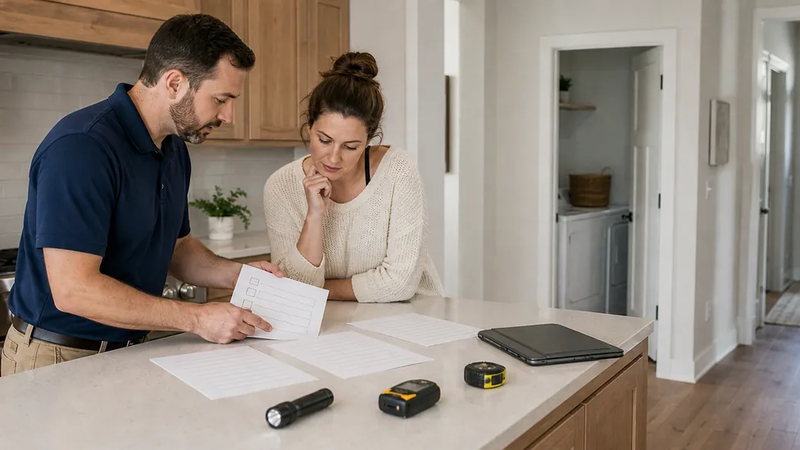
A useful report separates three things: what was inspected, what was observed, and what could not be inspected. Under the ASHI standard, the report should identify designated systems or components that were present but not inspected and explain why.
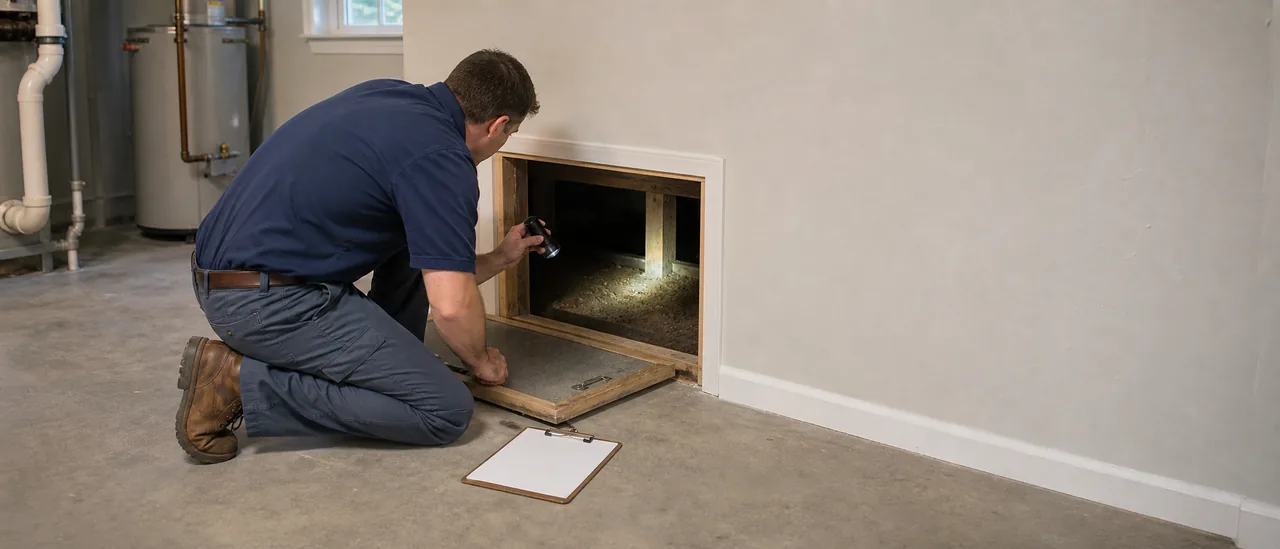
Pay particular attention to notes about restricted attic or crawlspace access, obscured foundation areas, untested equipment, and recommendations for further evaluation. The inspection agreement and the standard named in the report matter because state requirements and the agreed scope may differ from ASHI’s voluntary minimum standard.
Further evaluation is not automatically proof of a serious defect. It means the visible evidence or an inspection limitation warrants examination beyond the home inspection, sometimes by a qualified professional or system specialist.
Practical bottom line
A home inspection can reduce uncertainty, but it cannot eliminate it. Read the limitations alongside the findings, ask what areas were inaccessible, and note any conditions the inspector could not determine visually. When the report identifies a specific concern or material access limitation, targeted evaluation is more useful than assuming either that a hidden defect exists or that the unobserved area is sound.