On this page
The 2026 home inspection cost range
As of August 2026, plan on about $300–$500 for a standard home inspection in the United States. Property size, location, and inspection scope usually change the fee most. A small, straightforward property may cost less, while a large or complex home and optional specialty services can push the total above $500.
This range is a budgeting guide, not a universal quote. HomeAdvisor’s June 2026 customer-cost survey reports a $296–$424 normal range and a $344 average. A separate cost estimator updated in January 2025 places a full home inspection at $300–$500, averaging $400.
Published estimates use different samples and definitions. Local quotes for the same property are more useful than comparing national averages alone.
What the standard fee includes
A standard home inspection is a visual, non-invasive examination of accessible areas. The fee generally covers the inspector’s time at the property and a written report describing observed conditions and material defects within the agreed scope.
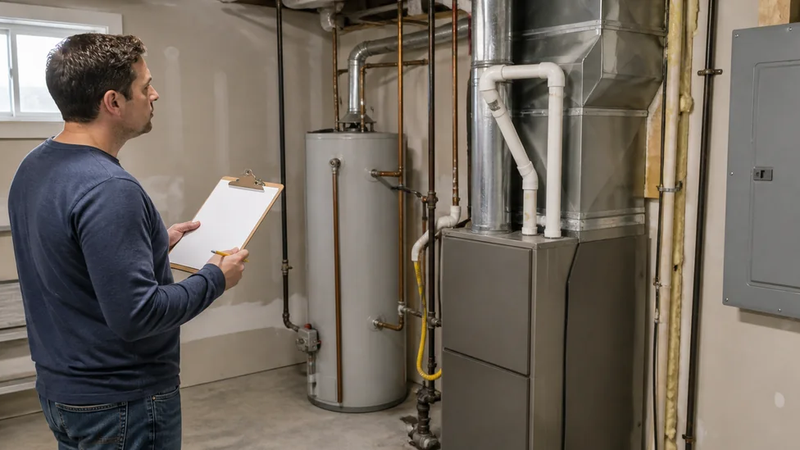
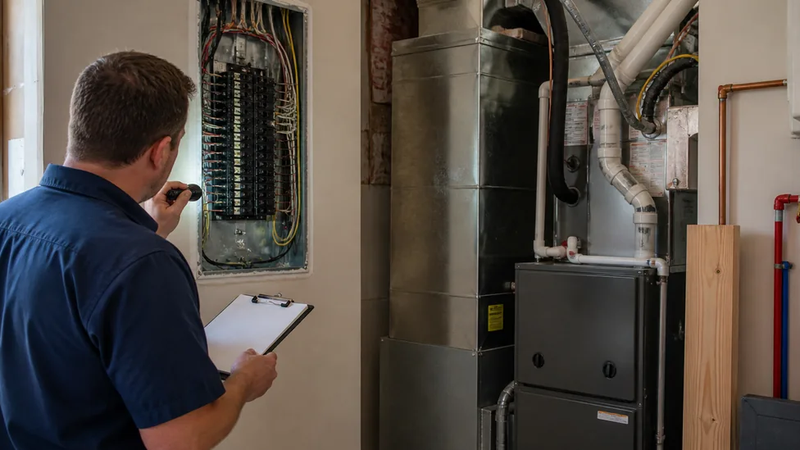
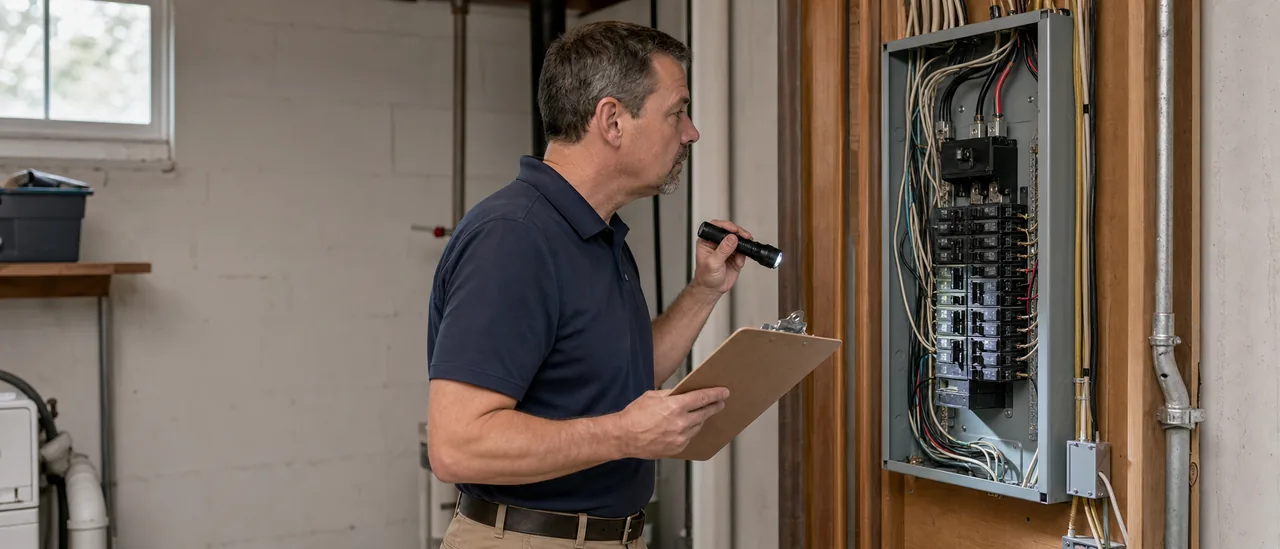
ASHI says a standard report covers the heating and central cooling systems, interior plumbing, electrical system, roof, attic, visible insulation, walls, ceilings, floors, windows, doors, foundation, basement, and structural components. Access and weather can limit what the inspector observes.
The standard fee does not automatically include every specialized test or technical analysis. Radon, mold, pests, septic systems, wells, pools, chimneys, sewer lines, and other services may be separate, depending on the inspection agreement and local practice. Compare written quotes by scope, not price alone.
| Planning scenario | Likely fee | What usually drives it |
|---|---|---|
| Low | $200–$300 | Small property, standard scope, straightforward access |
| Typical | $300–$500 | Standard single-family home and written report |
| High | $500+ | Large or complex property, difficult access, travel, or add-on services |
These bands overlap. HomeAdvisor’s 2026 data ranges from $200–$250 for homes under 1,000 square feet to $300–$500 for homes between 2,500 and 3,000 square feet.
What changes the price
Size and property type affect how much must be observed and documented. More rooms, systems, outbuildings, or dwelling units can require additional time. Older or unusually configured homes may also take longer to inspect.
Location changes local pricing. Regional labor costs, travel distance, and market conditions can produce different fees for similar homes. Inspector experience and credentials may affect quotes as well.
Scope can have the largest effect on the final total. Ask whether the quote includes detached structures, thermal imaging, ancillary testing, return visits, or expedited reporting. If two quotes differ substantially, their included services may not match.
A visual inspection has firm limits
InterNACHI’s standard states that a home inspection is not technically exhaustive and does not identify concealed or latent defects. It describes conditions observed on the inspection date, not future performance or repair costs.
When a specialist estimate is separate
A general inspection can identify an observed concern, but it usually cannot confirm what lies behind finished surfaces or determine a repair price. If the report recommends further evaluation of a structural, electrical, plumbing, HVAC, chimney, septic, well, or environmental issue, that specialist’s evaluation and any testing are normally separate from the original inspection fee.
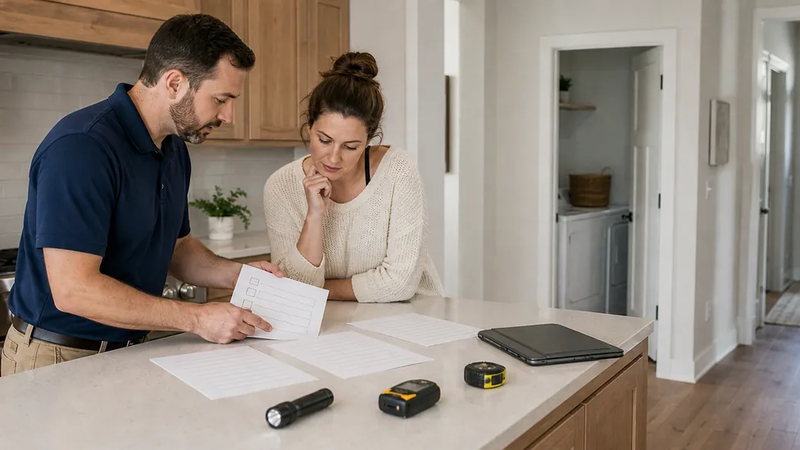
Before booking, request a written scope and fee schedule. Confirm the property size, age, detached structures, known access constraints, and desired add-ons so the estimate reflects the actual assignment.