On this page
An 11-month inspection is a warranty-timed home inspection
An 11-month warranty inspection is performed near the end of a new home’s first year, before common one-year builder-warranty coverage expires. Its purpose is to document visible defects or abnormal operation that a homeowner can report within the warranty’s procedures and deadlines.
The timing is a planning convention, not a universal legal deadline. Federal Trade Commission guidance says new-home warranties often provide one year of coverage for workmanship and materials on many components, but coverage periods vary. The warranty—not the inspection’s name—controls what is covered, when notice is due, and how a request must be filed.
Inspection findings are not coverage decisions
An inspector records observable conditions. The builder or warranty administrator decides whether a reported item meets the warranty’s terms. Read the warranty early enough to allow time for the inspection, report delivery, and written notice.
What does an 11-month warranty inspection include?
The inspection follows a general home-inspection standard unless the agreement changes the scope. It may cover readily accessible, installed portions of:
- roof coverings and visible roof structure, exterior walls, grading, decks, windows, and doors;
- foundation, basement or crawlspace, and visible structural components;
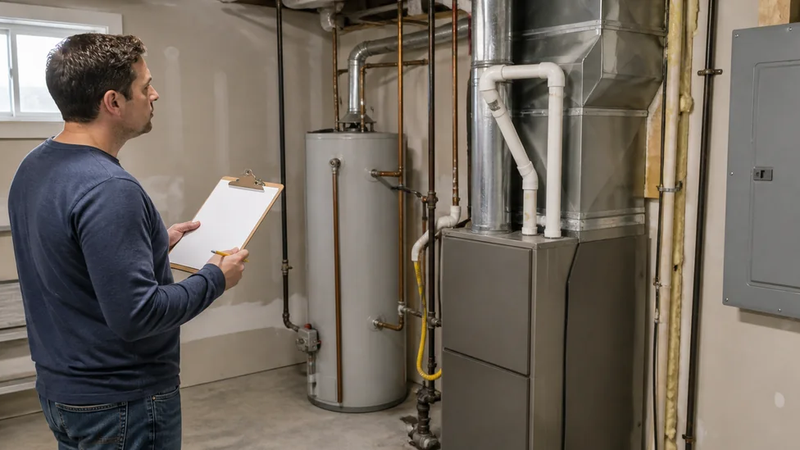
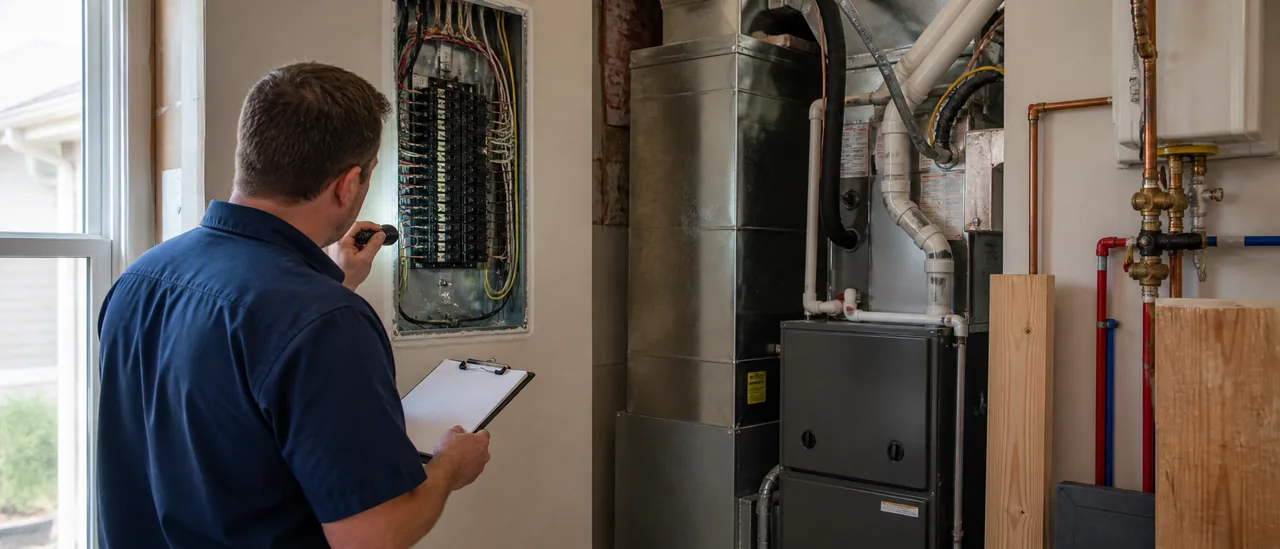
- heating, cooling, plumbing, and electrical systems;
- attic insulation and ventilation, fireplaces, and interior rooms; and
- installed fixtures and representative normal controls identified by the applicable standard.
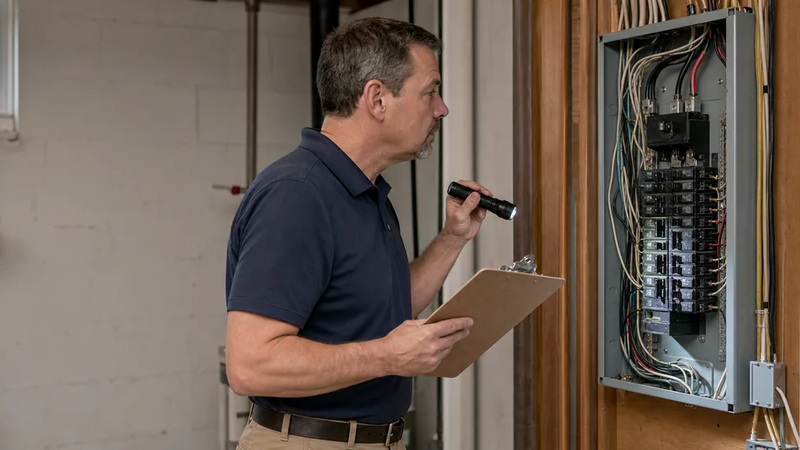
The inspector operates accessible systems with normal controls when doing so is safe. The report identifies observed material defects and may include photographs, comments, and recommendations. Homeowners can also point out recurring concerns—such as a sticking door or intermittent leak—but the inspector can report only what can be evaluated during the visit.
Exact coverage depends on the inspection agreement, the inspector’s standard of practice, state rules, and any specialist services ordered. Pools, septic systems, environmental testing, engineering analysis, and other specialized evaluations are not automatically included in a general inspection.
What a visual inspection cannot confirm
Professional standards describe a home inspection as non-invasive and based on accessible, visible conditions on the inspection date. An inspector ordinarily does not open walls, dismantle equipment, move finishes or belongings, excavate, or inspect unsafe and inaccessible areas.
That means the visit cannot confirm concealed piping, wiring, fastening, waterproofing, or other work hidden behind finished surfaces. It also cannot promise future performance, find every possible defect, or guarantee that an item qualifies for warranty repair. Code compliance and the causes of observed conditions may also require a building official, engineer, electrician, plumber, HVAC technician, or another qualified specialist.
Practical bottom line
Review the warranty first, then schedule early enough to meet its notice process. Make all areas accessible, ensure utilities are on, and provide the inspector with known concerns and relevant documents.
Use the report as a dated record of observable conditions and questions needing follow-up. Submit possible warranty items exactly as the warranty directs, and seek specialist evaluation when a finding falls outside a general inspector’s scope.