On this page
Yes—but know what your inspection means
Yes, you can inspect a home yourself, but your walkthrough is not equivalent to an independent, standards-based home inspection. It can help you document visible conditions and prepare better questions. It cannot confirm everything hidden, unsafe to access, or outside your knowledge.
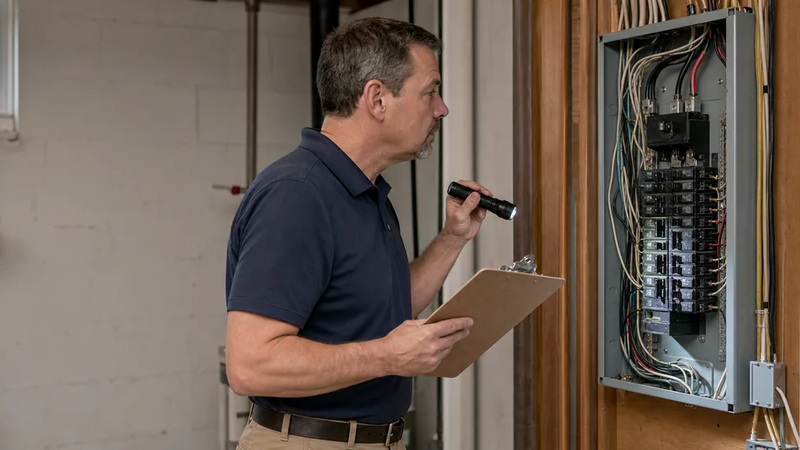
InterNACHI’s Standards of Practice defines a home inspection as a non-invasive, visual examination of accessible residential areas. Under that standard, an inspector safely examines accessible systems using normal operating controls. The written report identifies observed defects that the inspector considers material within the standard’s defined systems and components.
That combination of defined scope, practiced observation, professional judgment, and reporting is the important difference—not ownership of a flashlight.
What you can check yourself
A careful walkthrough can cover ordinary, non-destructive observations. Work methodically, take photos, and note the location of each concern.
- Look for visible water staining, damaged finishes, and doors or windows that do not operate normally.
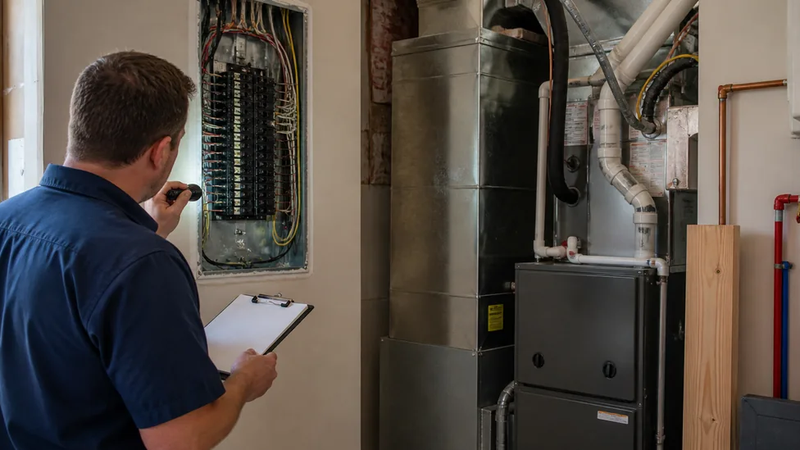
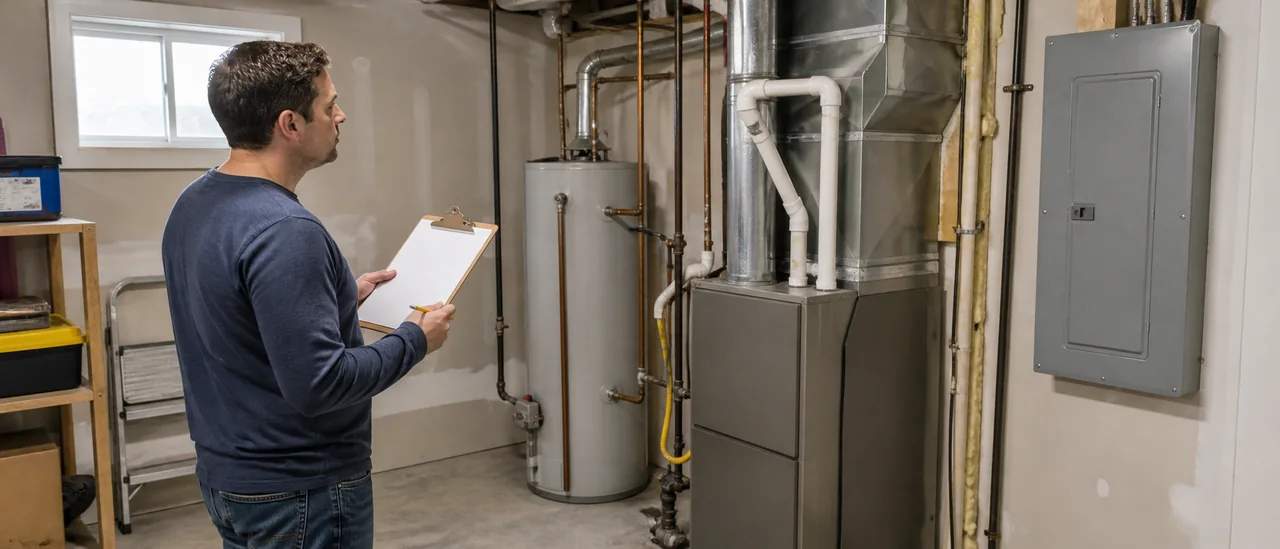
- Observe accessible foundation, exterior, roof-drainage, plumbing, electrical, heating, and cooling components from safe locations.
- Test only controls intended for routine occupant use, such as switches and thermostats.
- Record blocked areas, shut-down equipment, unusual sounds, odors, or conditions you cannot explain.
Do not dismantle equipment, remove sealed panels, operate shutoff valves, enter unsafe spaces, or walk a roof merely to complete a checklist. A self-inspection should stay within your training and safe access.
What a visual check cannot confirm
Finished walls, stored belongings, insulation, and inaccessible spaces can conceal conditions. InterNACHI’s standard is not technically exhaustive and excludes concealed or latent defects, predictions of future conditions, code-compliance determinations, and engineering services.
When doing it yourself is not enough
For routine maintenance, your notes may be enough to monitor a visible condition or decide what question to ask next. They should not be treated as a guarantee that the home is defect-free.
For a purchase decision, the Consumer Financial Protection Bureau recommends an independent inspector who is accountable to the buyer. Attend if possible; seeing the process can make the report easier to understand and gives you a chance to ask questions. Licensing requirements vary by location, so check the appropriate state or county authority before hiring anyone.
The practical bottom line is simple: perform your own walkthrough, but recognize its limits. Use a qualified inspector when the findings will influence a purchase or another consequential decision, and use an appropriate system specialist when a visible concern requires testing or expertise beyond a general inspection.