On this page
Yes—floor-joist damage can be missed
Yes, a home inspector can miss damaged floor joists, especially when the framing is concealed or the under-floor area is not safely accessible. A standard home inspection is a visual examination, not a destructive investigation or structural engineering analysis.
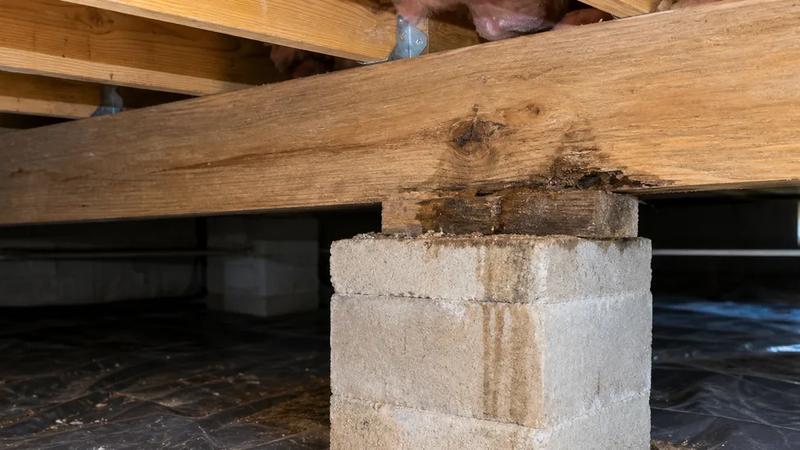
Floor joists are horizontal framing members that help support the floor above. When they are exposed in an unfinished basement or accessible crawlspace, an inspector can look for visible decay, cracking, improper cuts, displacement, moisture staining, pest evidence, or previous alterations. Visibility does not guarantee that every defect will be apparent.
Why damage may remain hidden
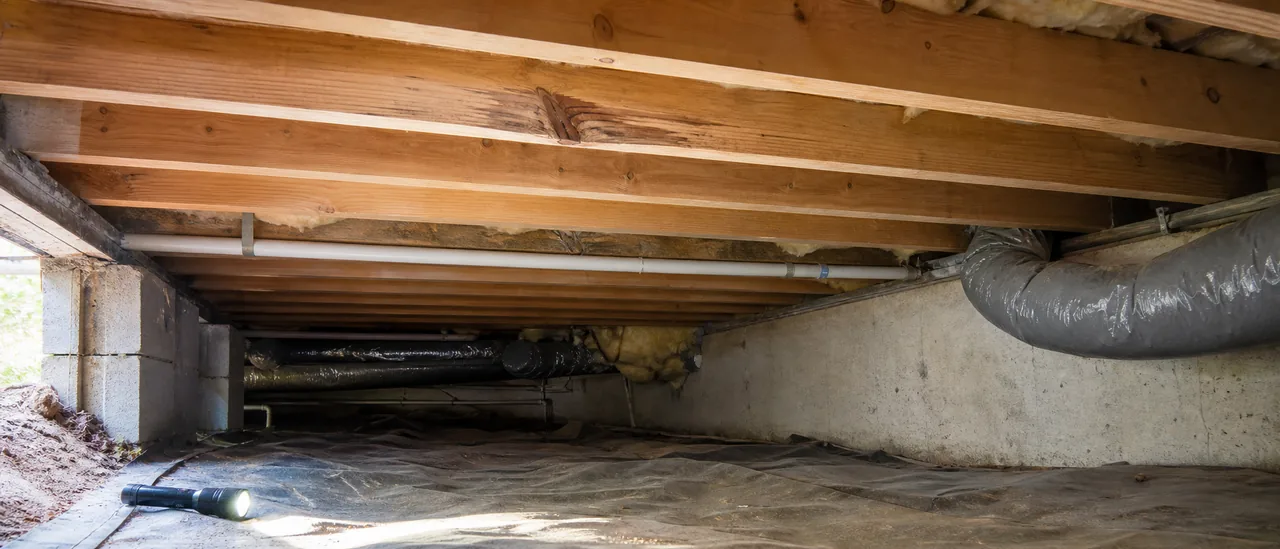
Finished ceilings, insulation, ductwork, plumbing, stored property, and enclosed floor assemblies can block the view. A tight, wet, contaminated, or otherwise unsafe crawlspace may also limit entry.
InterNACHI's standard defines a home inspection as a non-invasive, visual examination of accessible areas and includes structural components. It does not require entry into unsafe or inaccessible crawlspaces, uncovering components, or engineering services.
| Joist condition | What a visual inspection may establish | What it usually cannot confirm |
|---|---|---|
| Fully exposed and accessible | Visible surface defects and altered framing | Remaining load capacity or hidden internal damage |
| Partly obscured | Indirect clues near the visible area | Full damage boundaries behind coverings or insulation |
| Completely concealed | Related symptoms elsewhere in the home | The joist’s actual condition without further access |
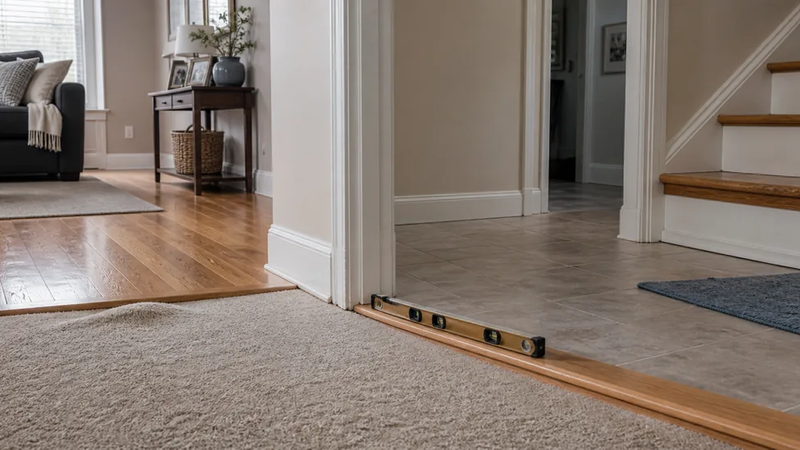
An inspector may see clues such as a sagging floor, localized movement, stains, or repairs. Those observations can justify further evaluation, but they do not by themselves identify the cause or prove how much of a joist is damaged.
What the inspection report should clarify
Requirements can vary by jurisdiction. For example, Ohio's current rule requires inspection of readily accessible floor structure and says the report must identify required systems that were not inspected and explain why.
Read the report alongside the inspection agreement. The applicable standard, local rules, and agreed scope can differ, so whether a defect should have been found depends on what was visible and accessible during that specific inspection.
“Not visible” is different from “not damaged”
A clean report cannot confirm the condition of framing hidden behind finishes. It records what the inspection could reasonably examine at that time.
Practical bottom line
A missed damaged joist does not automatically show that the inspection was inadequate. First determine where the joist was located, whether the inspector could safely view it, what limitations were documented, and whether visible warning signs were present.
If there is significant sagging, movement, extensive decay, or a cut or broken structural member, avoid assuming the visible portion tells the whole story. A structural engineer can evaluate capacity and repair needs; a qualified home inspector can clarify the original inspection scope and documented limitations.