On this page
Yes—a home inspector can miss foundation settlement
Yes. A home inspector can miss foundation settlement when its effects are concealed, inaccessible, or not visually distinct during the inspection.
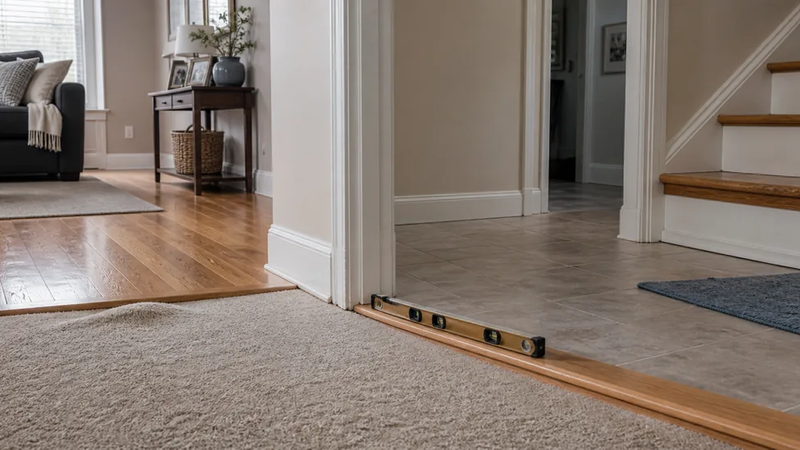
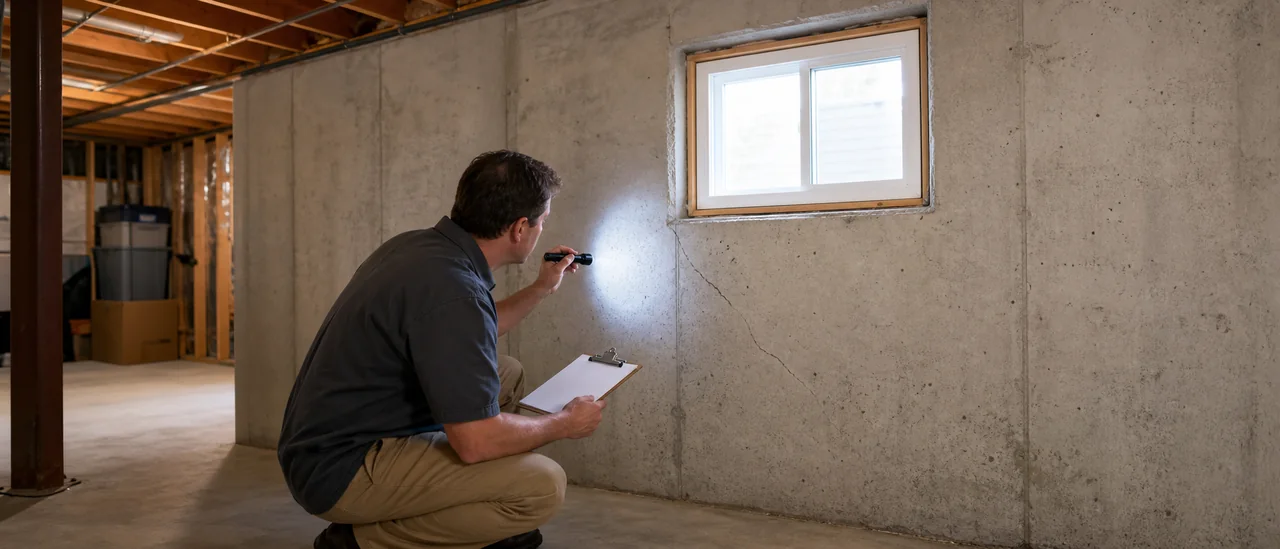
That does not mean the foundation is ignored. InterNACHI’s standard includes the foundation, basement, crawl space, and structural components in a general home inspection. It also directs inspectors to report observed indications of possible foundation movement, including wall or brick cracks, out-of-square door frames, and unlevel floors.
The important limit is the inspection method. A standard inspection is a visual examination of accessible areas at a particular time, not a technically exhaustive structural investigation. InterNACHI’s standard does not require an inspector to provide engineering services, determine a structural system’s adequacy, identify concealed defects, or establish the cause of a condition.
Observation is not structural confirmation
A visible crack confirms that a crack exists. Its shape, location, age, and surrounding conditions may suggest movement, but a visual inspection alone may not establish settlement as the cause or show whether movement is active.
Why settlement may not be apparent
When different parts of a structure settle by different amounts, the condition is called differential settlement. That uneven movement can produce cracks, distorted openings, or floors that are no longer level. However, those signs are not unique to settlement, and settlement can exist without an obvious exposed foundation defect.
An inspector’s view may be limited by:
- finished walls, floor coverings, stored belongings, or recent cosmetic repairs;
- foundation portions below grade or behind cladding;
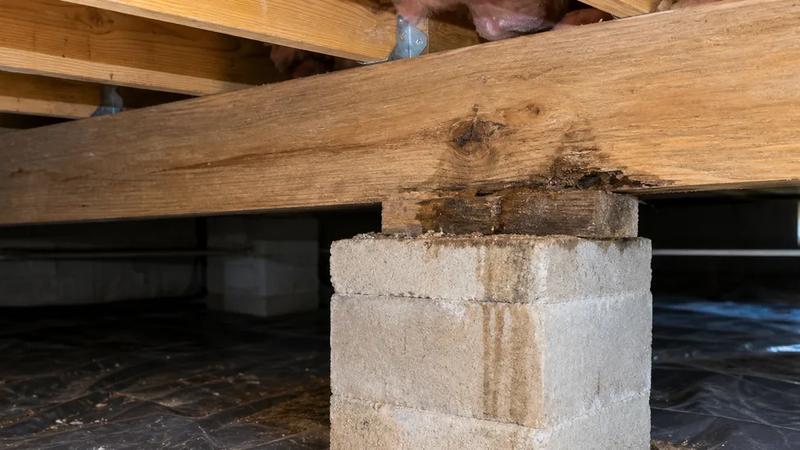
- crawl spaces that are too tight, obstructed, unsafe, or otherwise inaccessible; and
- the lack of earlier measurements or photographs showing change over time.
These limits matter because inspection standards generally do not require moving personal property, opening finished assemblies, excavating soil, or entering unsafe spaces. The report should identify required components that were present but not inspected and explain why.
Can an inspector miss settlement cracks?
Yes, if the cracks are hidden or outside the accessible inspection area. An inspector may also report a visible crack without labeling it a settlement crack, because cracking has several possible causes. National Park Service guidance on masonry, for example, lists differential settlement alongside shrinkage, temperature and moisture changes, corrosion, and other movement sources.
This distinction is useful: a home inspector reports visible conditions and material concerns within the agreed scope. Confirming the cause, amount, structural significance, or future progression may require measurements, monitoring, and engineering analysis beyond a general inspection.
Practical bottom line
Read the inspection report for observed indicators, access limitations, and any recommendation for further evaluation. If several movement indicators appear together, a substantial area was inaccessible, or cracks and floor slopes are changing, evaluation by a qualified structural engineer is a reasonable next step. The engineer can address structural conclusions that a general visual inspection cannot confirm.