On this page
The direct answer
No. A home inspector’s standard role is to report the condition of inspected systems, not decide whether the house fits your finances, plans, or tolerance for repairs.
InterNACHI’s current Home Inspection Standards of Practice is explicit: an inspection under that standard does not determine a property’s market value or the advisability of buying it. The inspection is one important decision input, not a pass-or-fail verdict on the house.
What the inspector can tell you
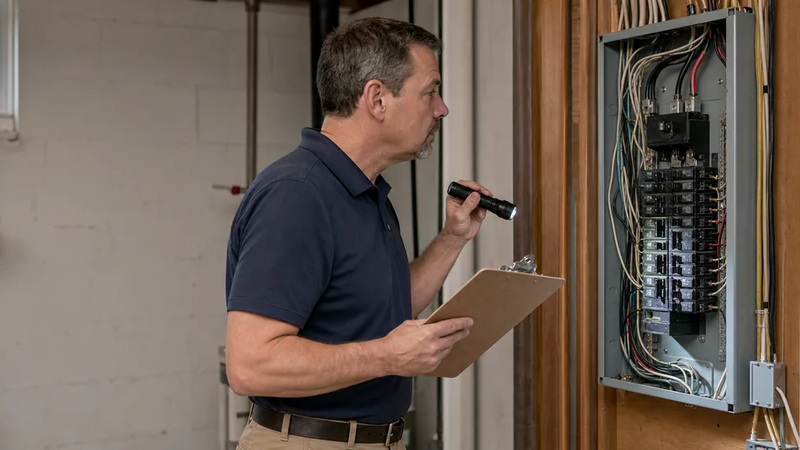
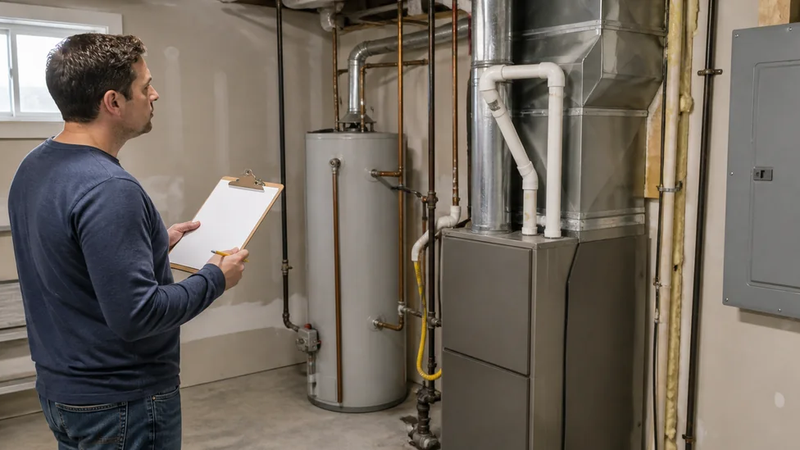
Under the InterNACHI standard, a home inspection is a non-invasive, visual examination of accessible areas. It is designed to identify observed material defects in specified systems and components. The written report records those findings and may include additional comments or recommendations.
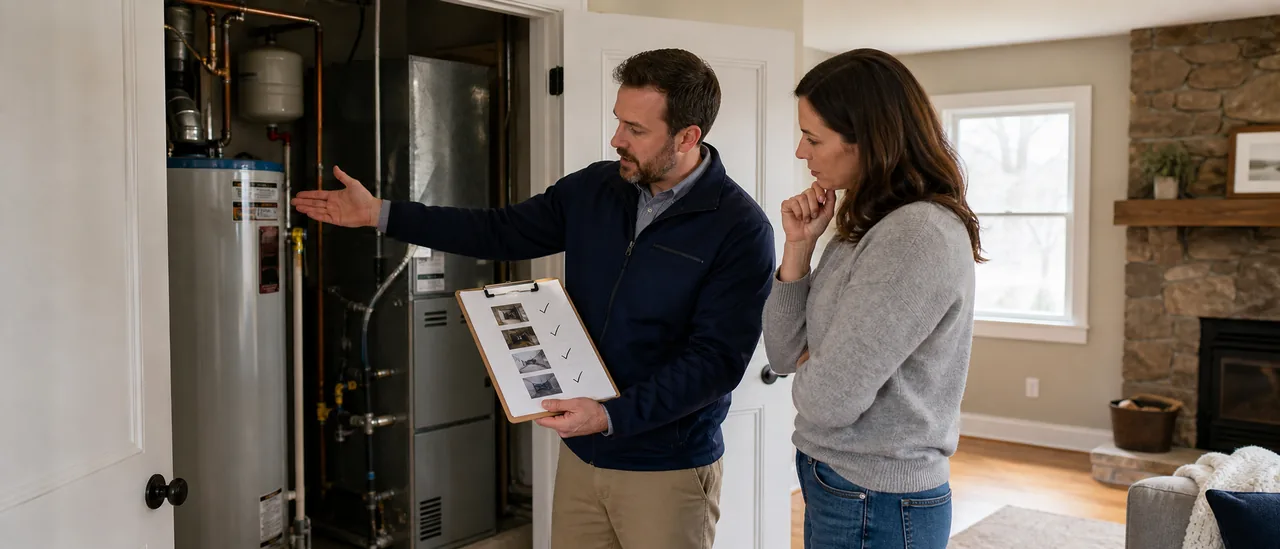
That information helps you understand the home’s visible condition at the inspection date. You can ask the inspector to clarify a finding, explain why it matters, and identify what was not inspected.
A finding is evidence, not a buying instruction
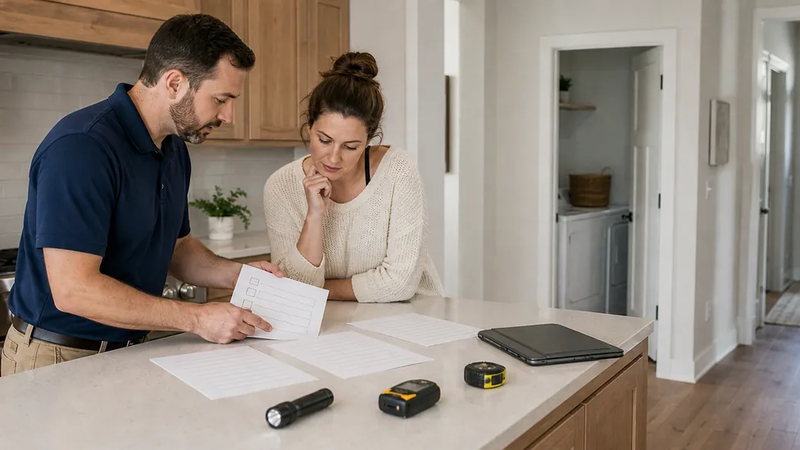
Two buyers can reasonably respond differently to the same report. Repair budget, timing, intended use, contract terms, and willingness to investigate uncertainty belong to the buyer’s decision—not the inspection standard.
What the inspection cannot settle
A standard inspection is not technically exhaustive. InterNACHI excludes concealed or latent defects and inaccessible components, and describes the inspection as observations made on that date—not a prediction of future conditions. Because the examination is visual, an inspector cannot confirm what is behind finished walls or guarantee that an observed system will remain trouble-free.
Scope also depends on the inspection agreement and applicable state rules. An association standard is not a universal statement of every inspector’s legal duties; state licensing requirements may differ or add duties.
Texas guidance illustrates the practical distinction. The Texas Real Estate Commission says an inspection report helps a client make an informed purchase decision, but does not eliminate all risks. It also places responsibility on the client to pursue recommended follow-up evaluations.
Practical bottom line
Read the entire report, including photographs, limitations, and items marked inaccessible or not inspected. Separate observed deficiencies from recommendations for monitoring or specialist review. Then ask the inspector about unclear language and the practical significance of major findings.
If an unresolved structural, electrical, plumbing, HVAC, or other system question could change your decision, obtain the recommended evaluation from a qualified specialist before the relevant contract deadline. The inspector helps define the house-related facts; you decide whether those facts work with the price, terms, resources, and risks you are willing to accept.