On this page
Yes, but the loan must permit it
Yes, a lender can close on a house with an active roof leak, but only when the lender and loan program allow that unresolved condition at settlement. For many standard mortgages, the appraisal will instead require repair and acceptable proof of completion before the loan can proceed under its intended terms.
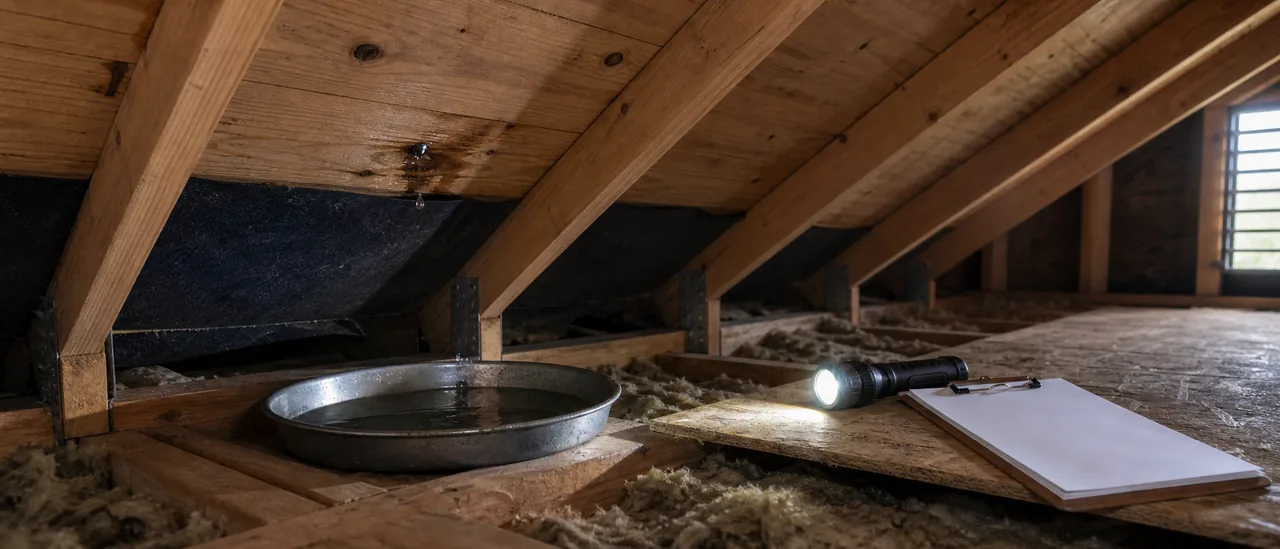
Here, an active roof leak means water is currently entering through the roof system—not merely that a ceiling has an old, dry stain. “Close” means completing the mortgage and property settlement. It does not necessarily mean the lender can later sell the loan to a particular investor without first satisfying that investor’s property rules.
Why an active leak changes the loan decision
Mortgage approval considers the property as collateral, not just the borrower’s finances. An active leak can indicate continuing water entry and an unresolved physical deficiency, so an appraiser or property review may make the valuation subject to repair.
Fannie Mae’s current Selling Guide specifically includes active roof leaks among conditions that may affect a home’s safety, soundness, or structural integrity. When an appraisal is required, it says the appraisal must be “subject to” completion of the specified repair and the lender must verify completion before selling the loan to Fannie Mae.
That rule does not create one universal closing rule for every mortgage. It does explain why a lender following conventional investor requirements may pause closing, change the loan structure, or require documented completion.
A repair escrow is not automatic
Fannie Mae permits a lender, at its discretion, to escrow minor work completed after closing only when the condition does not affect safety, soundness, or structural integrity. Because its guide separately identifies active roof leaks in the more serious category, an ordinary minor-repair escrow should not be assumed.
What determines whether closing can proceed
The lender will usually need to resolve four questions:
- Which loan rules apply? Conventional, government-backed, portfolio, and renovation loans can treat repairs differently.
- How was the leak classified? The appraisal or required inspection may distinguish a minor maintenance item from a condition affecting the home’s integrity.
- What does the appraisal require? A “subject to” appraisal makes the stated repair or inspection a loan condition rather than a suggestion.
- Is an exception available? Certain renovation or improvement loans are designed to finance work after settlement, but they have separate eligibility, escrow, documentation, and completion rules.
Practical bottom line
A closing date alone does not answer the question. The decisive document is the lender’s written condition list, read together with the appraisal and the rules for the selected loan.
If the leak is a required repair, closing normally waits until the work is completed and the lender accepts the required evidence. Closing with the leak still active is possible only when the lender confirms that the specific mortgage permits it—often through a qualifying renovation structure or another documented exception. Verbal reassurance is not the same as cleared underwriting conditions.