On this page
Yes, a lender can make it a loan condition
Yes, a lender can require a roof certification before approving or closing a mortgage, especially when the available property information leaves the roof’s condition uncertain. The exact requirement depends on the loan program, the lender’s underwriting instructions, and what the appraisal or other property review reveals.
“Roof certification” is not a dependable shorthand for one universal document. In a particular loan file, it may mean a focused inspection report, a statement about observed condition, confirmation of completed repairs, or another form of documentation acceptable to the lender. The lender should identify the required scope and who is qualified to provide it.
Why a lender may ask for one
The roof is part of the property securing the mortgage. A lender may need enough evidence to decide whether the home meets the applicable property-condition rules.
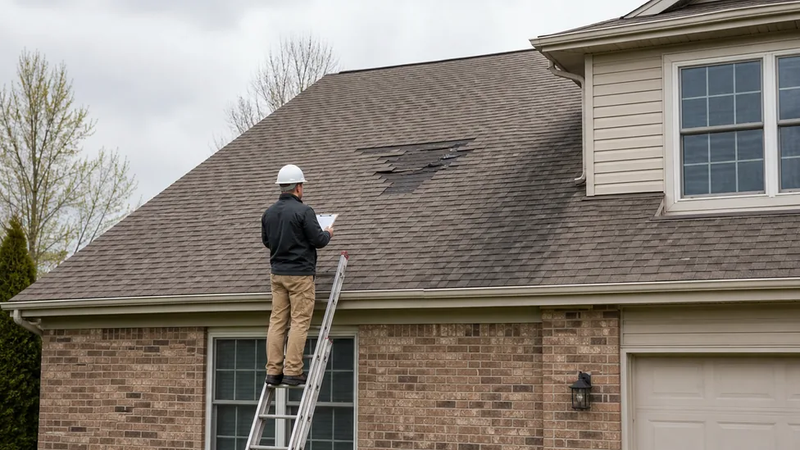
Fannie Mae’s property-valuation guidance gives a specific example: when photos show a worn roof but do not establish whether a defect, damage, or deficiency exists, the lender may need a professional inspection focused on the roof. The resulting report may resolve the concern or lead to a repair requirement.
The Consumer Financial Protection Bureau also explains that a lender can require major repairs, such as a new roof, before closing when needed to satisfy a loan program’s standards. Some programs may instead allow money to be placed in a special account for repair after closing.
An appraisal is not the final word on every roof question
An appraisal or property-data review may flag uncertainty without resolving it. A targeted roof report supplies the additional information the underwriter requests; it does not expand beyond the inspector’s stated scope.
What to clarify before ordering the report
Ask the lender or loan officer to provide the condition in writing. Confirm:
- who may perform the inspection and whether a license or other credential is required;
- whether the report must address leaks, visible defects, repairs, remaining life, or photographs;
- the required form, wording, signature, and report date; and
- whether repairs must be completed before closing and how completion must be documented.
These details matter because a general home-inspection report may not satisfy a request for a focused roof report. Likewise, a roofer’s ordinary estimate may describe proposed work without answering the lender’s underwriting question.
When it may not be necessary
A roof certification is not an automatic requirement for every mortgage. Fannie Mae states that minor conditions or deferred maintenance may require no further action when they do not affect safety, soundness, or structural integrity and the property is otherwise eligible. Other loan programs and lenders can apply different standards.
The practical bottom line is simple: treat the requirement as file-specific. Obtain the lender’s written criteria before paying for an inspection, and read the final report for limitations rather than assuming the word “certification” guarantees a defect-free roof or future performance.