On this page
Yes, with important limits
Yes—a pre-listing roof inspection can prevent some buyer surprises, but only when its scope, access limits, and findings are clearly documented. It can surface visible concerns before negotiations begin. It cannot guarantee that a buyer, appraiser, lender, or later specialist will reach the same conclusion.
The timing helps because sellers can investigate an observed concern and assemble records before contract deadlines start running. Buyers can also evaluate a specific report instead of relying on a general statement that the roof is “fine.”
What the inspection can clarify
The International Association of Certified Home Inspectors’ standard defines a home inspection as a non-invasive visual examination of accessible areas. Its roofing scope includes coverings, gutters, downspouts, vents, flashing, skylights, chimneys, penetrations, and accessible roof structure. The standard also says the inspection is based on observations made on its date, not a prediction of future conditions.
A useful pre-listing report therefore records more than a conclusion. It should identify the roof areas examined, the observation method, visible deficiencies, inaccessible areas, and recommended follow-up.
| The report may reveal | It does not by itself confirm |
|---|---|
| Missing, displaced, or visibly deteriorated roofing | The condition of concealed underlayment or fasteners |
| Visible flashing, drainage, or penetration concerns | That no leak will occur after the inspection date |
| Accessible attic staining or moisture indicators | The cause of every stain or whether concealed materials are dry |
| Areas blocked by height, slope, weather, or finishes | The condition of every unobserved area |
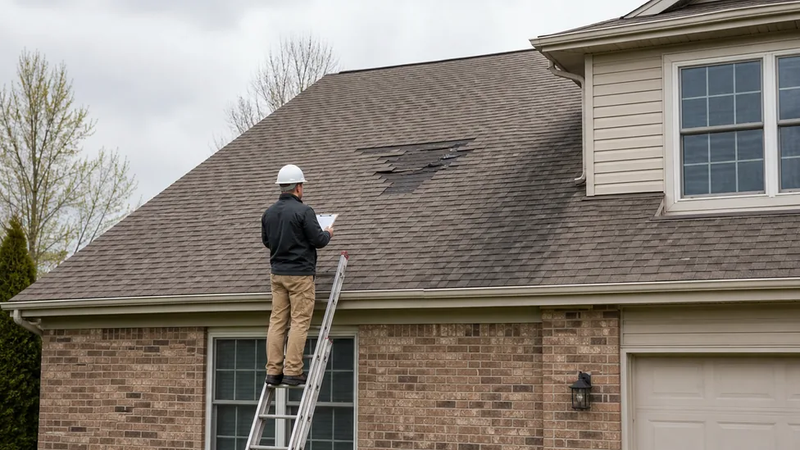
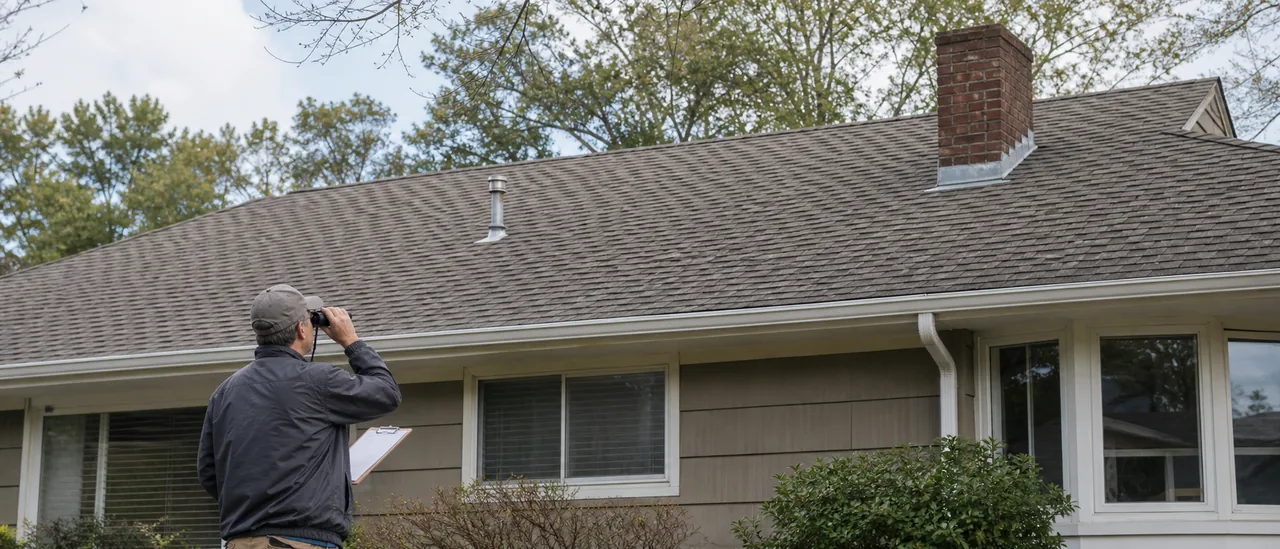
This distinction matters when a roof is steep, fragile, snow-covered, or partly concealed. A report based on ground-level observation may still be useful, but buyers should see that limitation rather than infer that every surface was examined closely.
What can still surprise a buyer
A buyer may order an independent inspection with a different scope or better access. New rain, wind, material movement, or interior evidence can also change the observable condition after the pre-listing visit. Even without a new physical change, two qualified professionals may make different recommendations from the same visible evidence.
Transaction documents create separate questions. The Consumer Financial Protection Bureau notes that inspection-based repair negotiations depend on the purchase contract. A satisfactory-inspection contingency may also give a buyer cancellation rights. Seller-disclosure duties vary by jurisdiction, so obtaining a report does not replace review of the applicable disclosure form or known-condition requirements.
An inspection is not a lender clearance
A pre-listing report describes observed roof conditions. An appraisal and loan review serve different purposes, and the lender may require its own evidence, repair, or qualified-professional inspection.
For loans evaluated under Fannie Mae’s Selling Guide, an appraisal must identify physical deficiencies that could affect safety, soundness, or structural integrity. When an appraiser is not qualified to evaluate a repair or alteration, the appraisal may be made subject to a satisfactory inspection by a qualified professional, with the lender deciding what evidence is required.
Make the report transaction-ready
Before listing, confirm that the written report includes:
- the inspection date, agreed scope, and observation methods;
- photographs tied to specific locations and findings;
- every inaccessible or excluded area and the reason;
- any recommendation for specialist evaluation; and
- relevant permits, invoices, warranties, and repair records kept separately from the inspector’s observations.
Do not summarize a limited finding as a certification or guarantee. Give the parties the complete report, preserve its limitations, and address any later change through the disclosure and notice process required in the property’s jurisdiction.
Before relying on the roof condition in a sale, have the complete inspection report and roof records reviewed under the purchase contract, disclosure rules, and lender requirements by the buyer’s inspector, lender, and applicable real-estate or legal reviewer.