On this page
Yes, when conditions permit
Yes—a roof can be inspected in winter, but safe access and clear visibility determine how complete the inspection can be. Cold weather alone does not prevent an inspection; snow, ice, frost, wind, and poor light may limit it.
A residential roof inspection is generally a visual examination of accessible components. InterNACHI’s home-inspection standard defines a home inspection as non-invasive and visual, and its roof section covers roof materials, gutters, downspouts, penetrations, and the accessible roof structure.
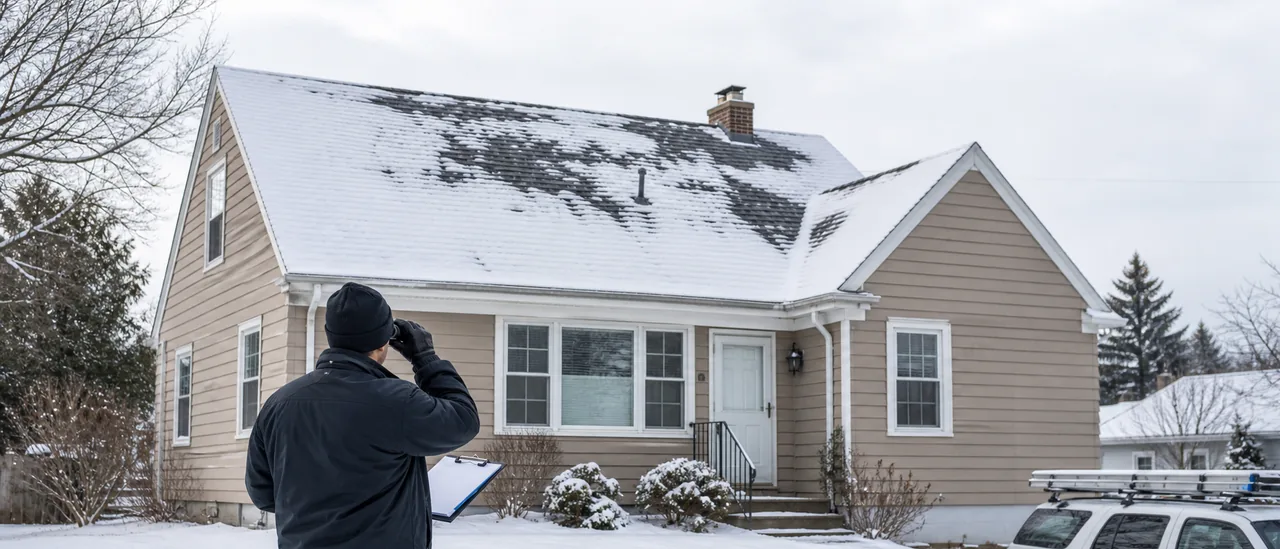
That definition matters in winter. An inspector can still evaluate visible areas without walking every roof surface.
What an inspector may still examine
Depending on the property and conditions, the inspection may include:
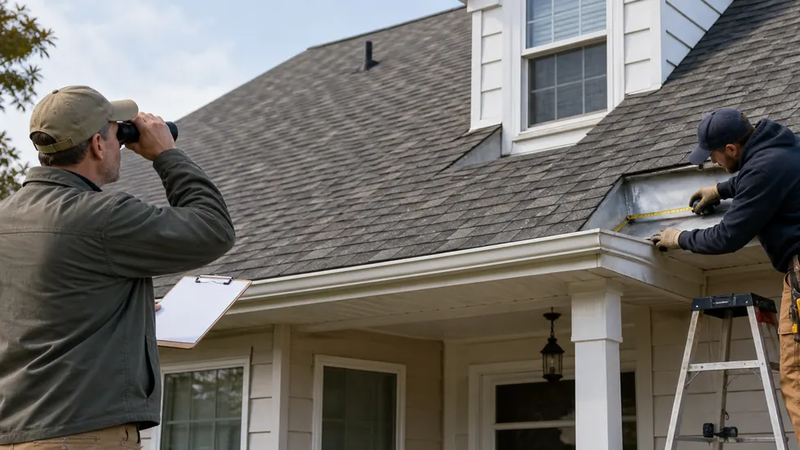
- visible roof coverings, flashings, vents, skylights, and chimneys from the ground or eaves;
- gutters and downspouts that are not concealed by snow or ice;
- accessible interior roof structure and visible signs of moisture entry; and
- photographs and a written record of areas that could not be observed.
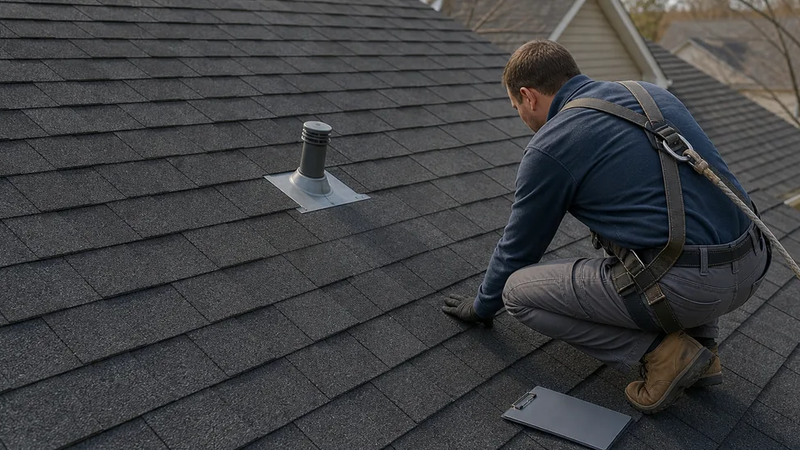
InterNACHI’s standard does not require an inspector to walk on a roof or remove snow and ice that block the surface. The method may therefore change while the inspection remains useful.
Snow and ice create real limits
A snow-covered inspection cannot establish the condition of shingles or other materials hidden beneath the snow. Ice can also conceal edges, penetrations, and surface defects. The report should identify those limitations rather than imply that covered areas were examined.
Do not create access by clearing the roof yourself
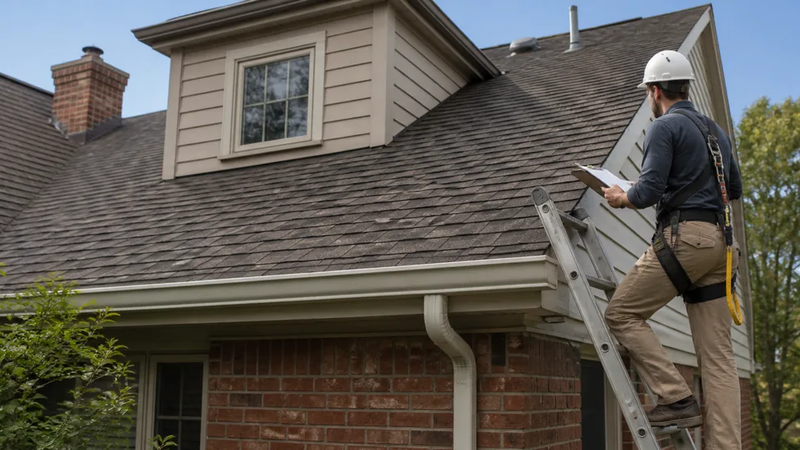
Snow and ice make surfaces slippery and can hide skylights or other fall hazards. Leave rooftop access decisions to a qualified inspector, and do not climb onto a covered roof to prepare for the appointment.
OSHA advises that ice can make surfaces more slippery and that snow-covered rooftops can conceal skylights. Its guidance also recommends using methods that keep workers off roofs when possible. The National Roofing Contractors Association similarly advises staying on a properly secured ladder—and off the roof—when possible during an inspection.
Wind, active precipitation, roof pitch, material type, temperature, and ladder placement can also affect access. A dry, partly exposed low-slope roof may allow more direct observation than a steep roof covered by packed snow.
The practical bottom line
Proceed with a winter inspection, but ask the inspector to state the viewing method, visible areas, unsafe or inaccessible sections, and any conclusions that remain limited. If important surfaces are covered, a follow-up after safe conditions return can address what the first inspection could not show.
A winter inspection can document current visible conditions. It should not be treated as proof that concealed roof areas are defect-free.