On this page
Reinspect when the repair is complete
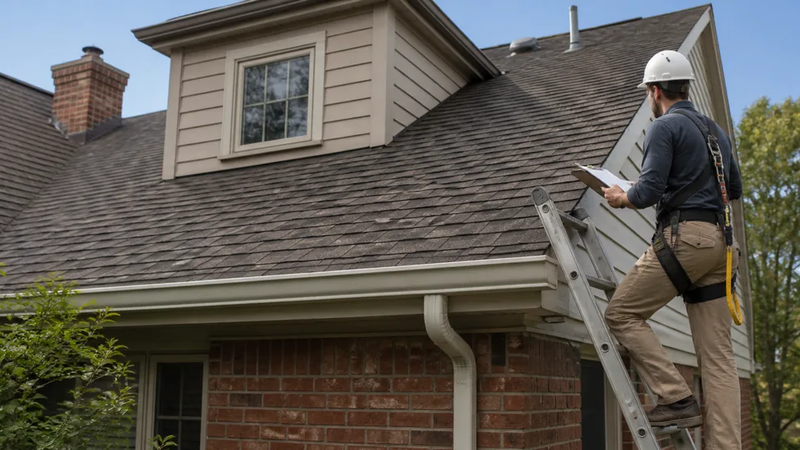
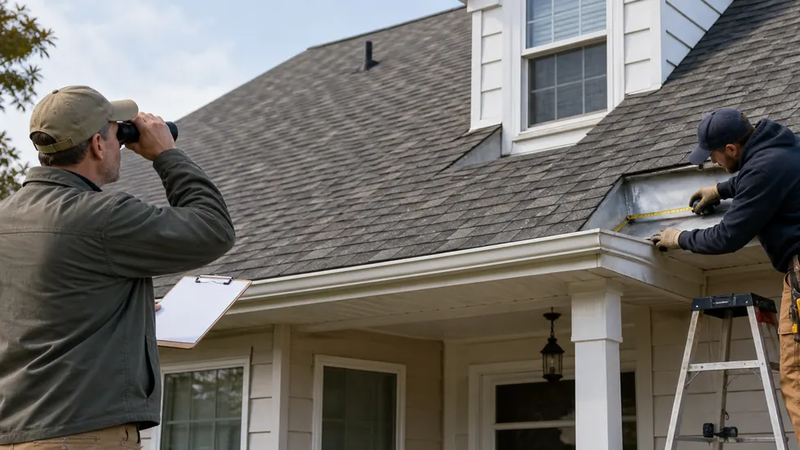
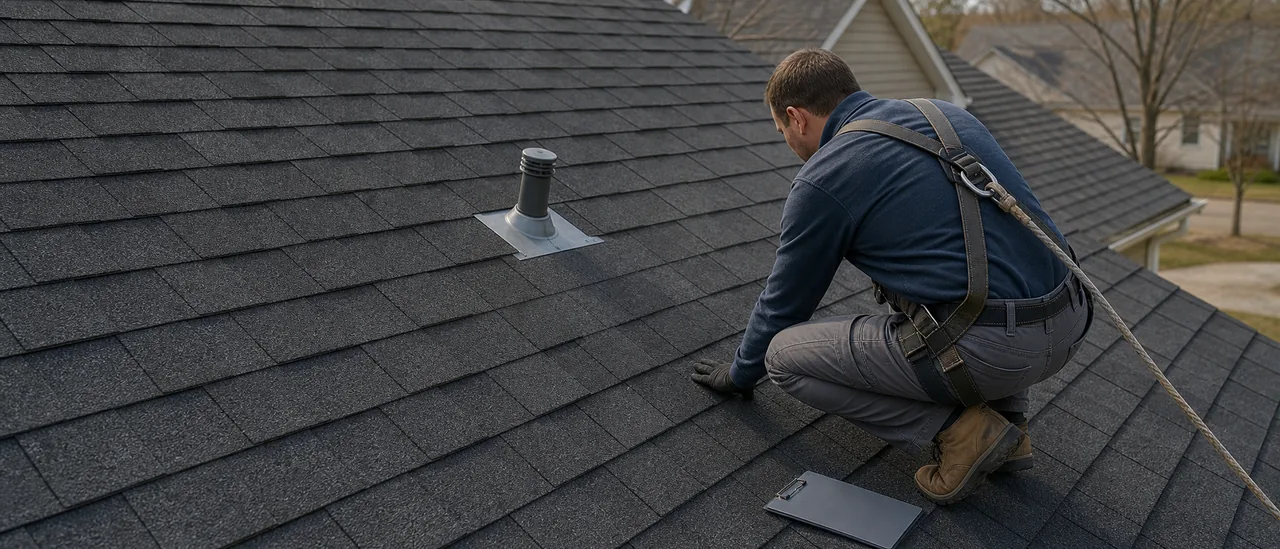
A roof repair should normally receive a close-out inspection as soon as the work is finished, ideally before the crew leaves or as soon as safe access can be arranged. Waiting weeks does not improve a visual check. Prompt review makes it easier to compare the completed work with the agreed scope and correct an accessible detail.
“Reinspection” here means a focused follow-up on the repaired area and its adjoining roof details. It is not automatically a full condition assessment of the entire roof.
ASTM D7186 treats quality-assurance observation as monitoring and documenting roof work during construction or repair. That distinction matters: the best time to verify materials, flashing details, terminations, and cleanup is while the work and project documents are still readily available.
Permit inspection and private reinspection are different
If the repair required a permit, follow the local building department's inspection schedule. Procedures vary: Polk County, Florida, for example, directs contractors to schedule a roofing final inspection when the roof job is complete.
What the close-out check should establish
The inspection should answer a short, repair-specific set of questions:
- Does the finished work match the written repair scope and documented location?
- Are repaired coverings, flashings, sealant transitions, fasteners, and nearby drainage paths visually complete?
- Were debris and loose materials removed without creating new damage?
- Do completion photographs and notes clearly show what changed?
- Does the report identify any limitation, unfinished item, or condition needing another check?
An immediate visual inspection cannot prove how the repair will perform in every storm. If the original problem was a leak, monitor the same interior area during the next rain that resembles the conditions associated with the leak. New staining, dampness, dripping, or a returning odor warrants prompt follow-up rather than waiting for a routine inspection.
When to inspect again
Arrange another inspection sooner if high winds, hail, falling branches, or other severe weather affect the roof after the repair. The National Roofing Contractors Association recommends additional roof inspections after severe weather events and routine inspections at least twice yearly, preferably in spring and fall.
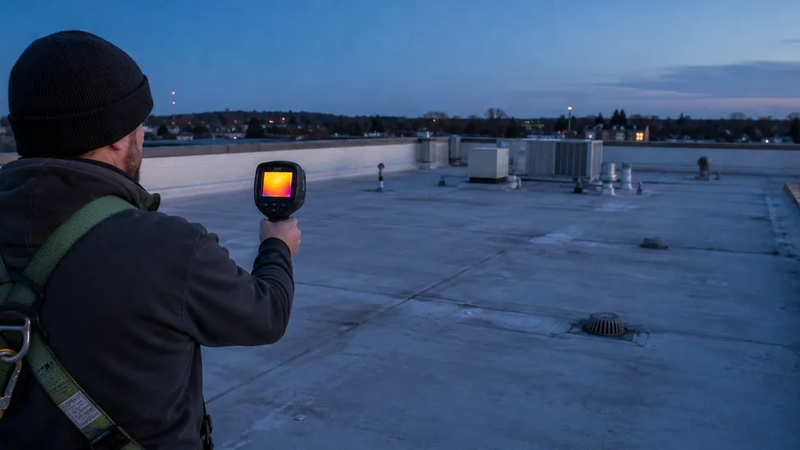
Repair type also changes the scope. A replaced shingle may need a narrow close-out check, while a repair involving a chimney, valley, low-slope membrane seam, recurring leak, or concealed wet material may require broader documentation or a specified test. Follow any written manufacturer instructions and the repair plan; do not improvise a hose test on a steep roof.
Homeowners can review photos and look from the ground or a safe interior location. NRCA advises homeowners and inexperienced property managers against walking roofs without appropriate experience and equipment. If safe access or technical verification is needed, the reinspection belongs with a qualified roof professional or independent inspector.
The practical schedule is therefore simple: inspect at completion, check performance when relevant weather arrives, and inspect again after severe weather or at the next regular maintenance interval.