On this page
Yes, but snow limits what the inspection can establish
Yes, a roof can be inspected with snow on it, but covered surfaces cannot be fully evaluated until they are visible. An inspector may still examine accessible portions of the roof system and document the areas hidden by snow.
That distinction matters. “Inspected” does not always mean every shingle, seam, flashing, fastener, or drainage point was visible. Snow can conceal wear, displaced materials, small openings, and the surface immediately around penetrations.
A winter inspection may need two stages
The first visit can record visible conditions and current limitations. A follow-up after natural melting may be needed when the question depends on seeing the roof covering itself.
Safety determines the inspection method
Snow and ice reduce traction, while drifts can hide roof edges, skylights, and changes in elevation. OSHA specifically warns that snow-covered rooftops can conceal skylights and says a snow-loaded surface should be assessed for structural safety before workers access it.
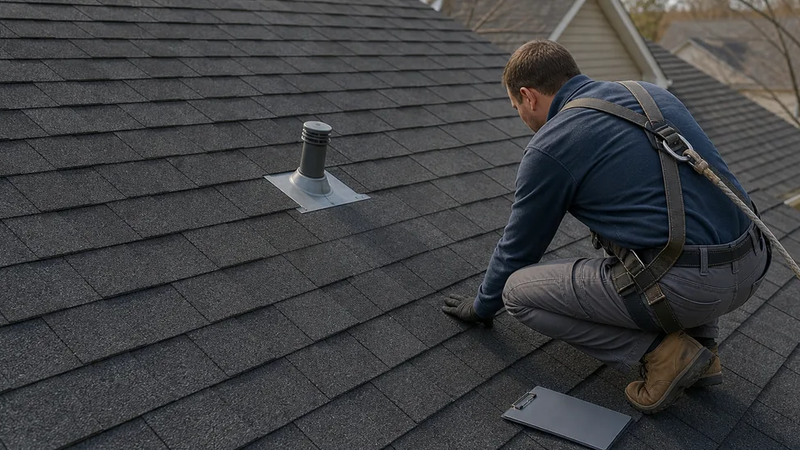
For those reasons, an inspector may decide not to walk the roof. That is a safety decision, not evidence that the roof is sound or defective. Maryland’s home-inspection rules provide a useful example: inspectors examine accessible roof components and report their inspection method, but they are not required to access an unsafe roof or remove snow and ice that block observation. Requirements vary by jurisdiction and inspection agreement.
What can still be checked
Depending on access, visibility, and the inspection’s scope, useful observations may still come from:
- uncovered eaves, roof edges, gutters, flashings, and penetrations;
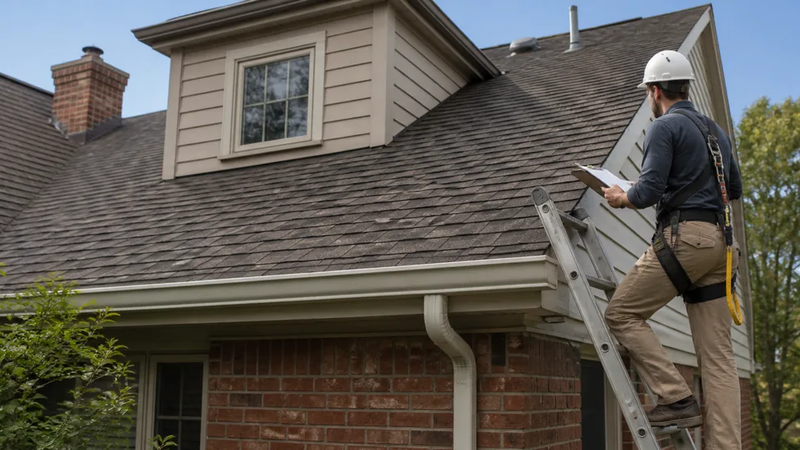
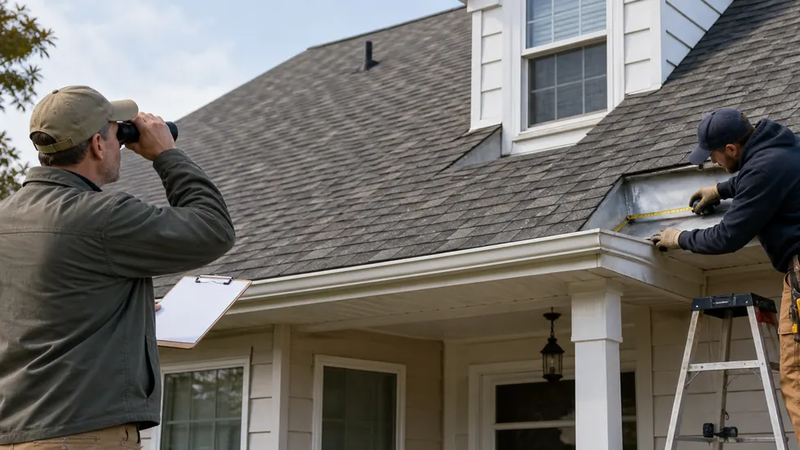
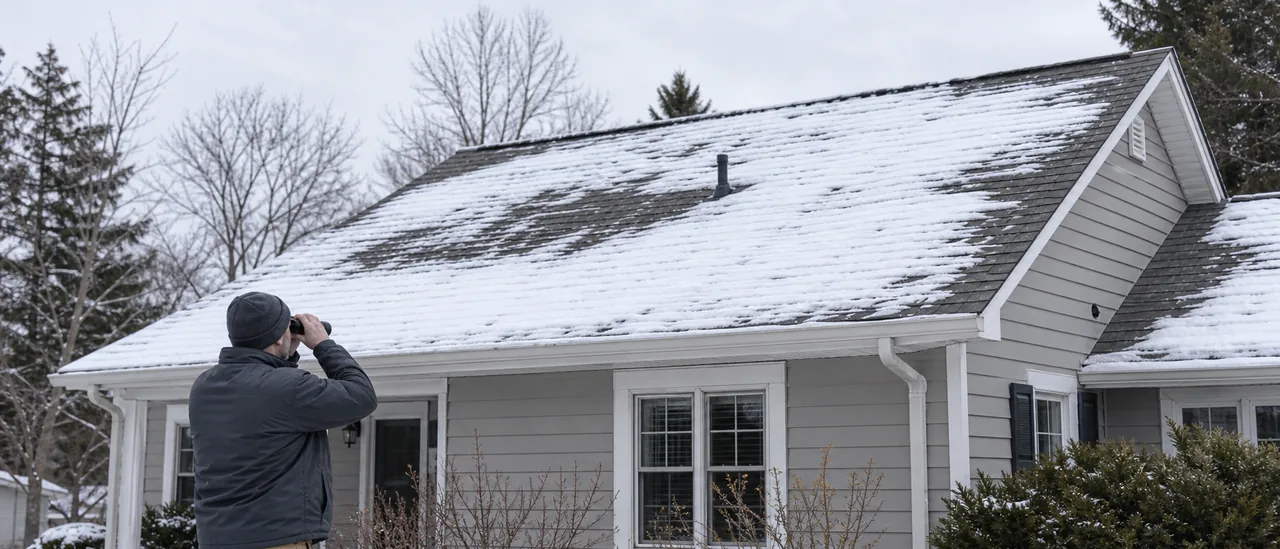
- views from the ground, a ladder at the eave, or another safe vantage point;
- accessible attic or interior areas for staining, damp materials, or visible structural changes; and
- the depth and distribution of snow, including uneven drifts or visibly sagging areas.
These observations can identify conditions that deserve attention, but they do not substitute for seeing the covered roof surface. Likewise, a dry attic at one moment does not prove that the roof covering has no defect.
When to wait for a clear-roof follow-up
A return visit is most useful when snow covers the areas central to the inspection question. Examples include checking the condition of shingles or membrane seams, examining flashing details, or investigating a suspected impact location.
Do not climb onto the roof or chip away ice simply to make the surface visible. OSHA advises using methods that keep workers off snowy roofs where possible, and snow removal can introduce separate fall and structural hazards.
The practical bottom line is simple: proceed if an inspection is needed now, but expect a clearly documented limitation. If the covered surface itself must be evaluated, schedule a focused follow-up after safe access and adequate visibility return.