On this page
Yes—but “not visible” depends on where you look
Yes, a storm can damage a roof without leaving signs that are visible from the ground or inside the home. Damage may be subtle, confined to a hard-to-see slope, or not yet allowing water indoors.
That does not mean every roof in a storm’s path is damaged. It means a normal-looking roof is not proof that wind, hail, or flying debris had no effect. The National Roofing Contractors Association recommends evaluating storm-affected roofs regardless of appearance because trained professionals may identify damage that is not obvious to an owner.
Why storm effects can escape a quick look
Wind, hail, or debris can affect attachments or a small roof area without producing an obvious missing section. That is why NRCA’s post-storm guidance says an inspection should check whether roof areas remain tight and attachments are secure, along with looking for debris that could damage the system.
Some conditions are concealed by the roof covering, flashing, debris, or limited access. Others require close examination to distinguish storm effects from wear, installation details, or older defects. An NRCA hail-assessment protocol, for example, uses test areas on directional roof slopes rather than relying on one distant view.
A clear weather map is not a roof diagnosis
Storm history can show that a property may have been exposed to severe weather. It cannot confirm damage, identify its cause, or determine the condition of a specific roof. Those conclusions require observations at the property.
What changes the likelihood and visibility
The answer depends on the storm and the roof. Important variables include:
- the wind direction, gust pattern, hail, and flying debris at the property;
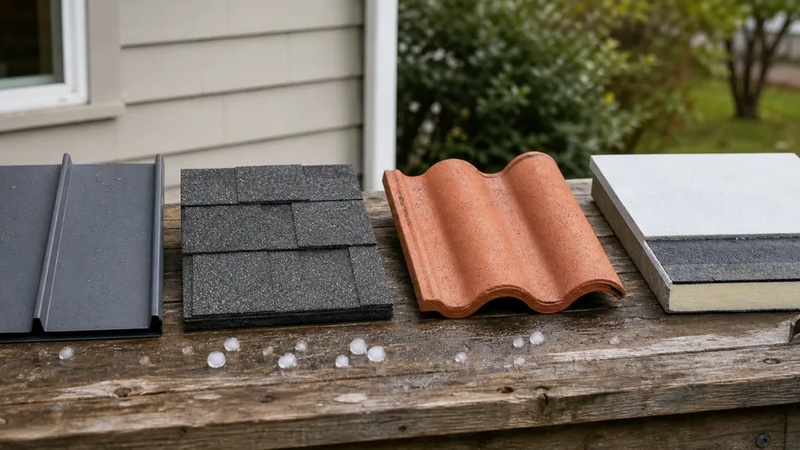
- the roof material, age, prior condition, slope, and installation details;
- whether trees, upper stories, or roof geometry block a complete view; and
- how soon the roof is checked, since a leak may not appear during the first dry days.
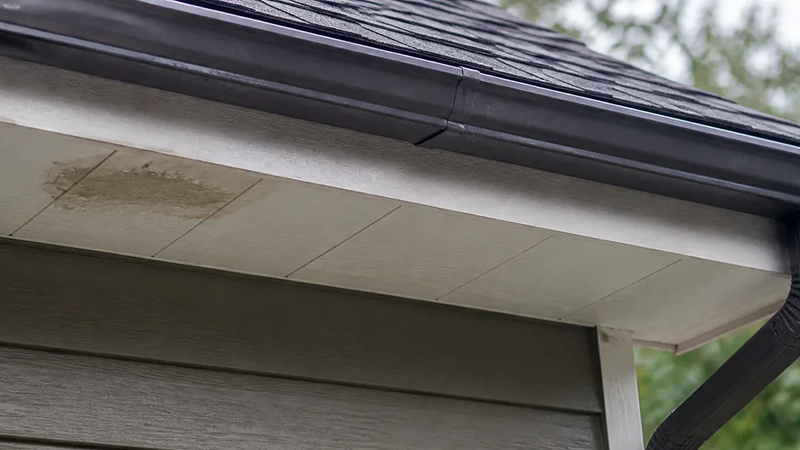
Visible clues such as missing or lifted material, debris impact, displaced flashing, granules at downspouts, or new interior moisture justify closer attention. Their absence, however, does not establish that the entire assembly is unaffected.
Practical bottom line
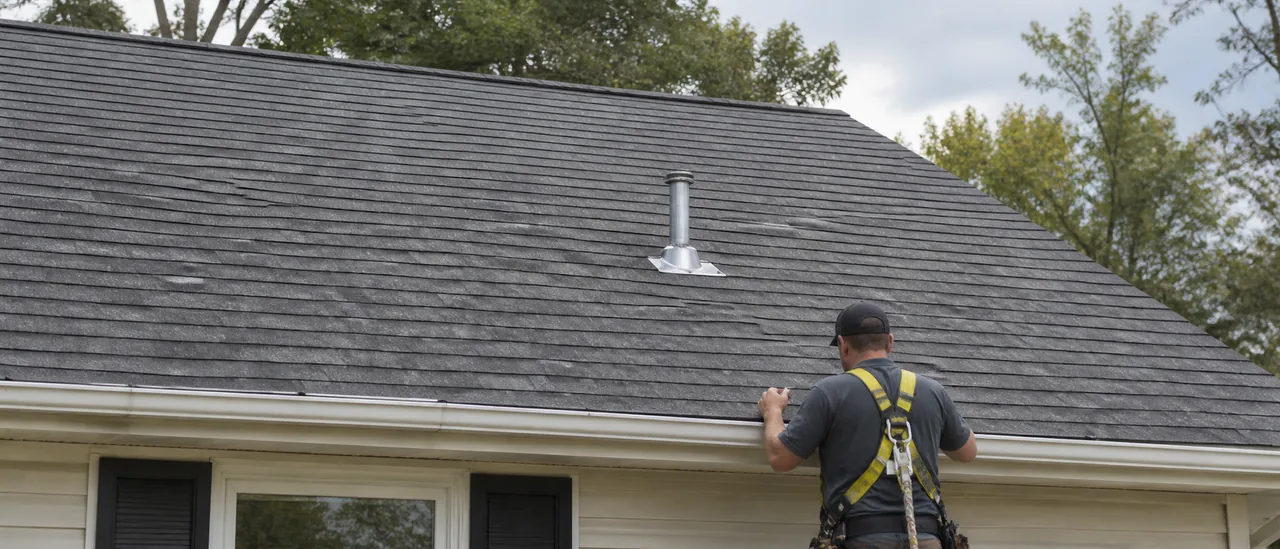
Start with a ground-level walkaround and check safely accessible ceilings and attic areas for new moisture. Do not climb onto a roof to settle the question yourself. NRCA advises owners to inspect from ground level because roof access requires appropriate fall-protection systems.
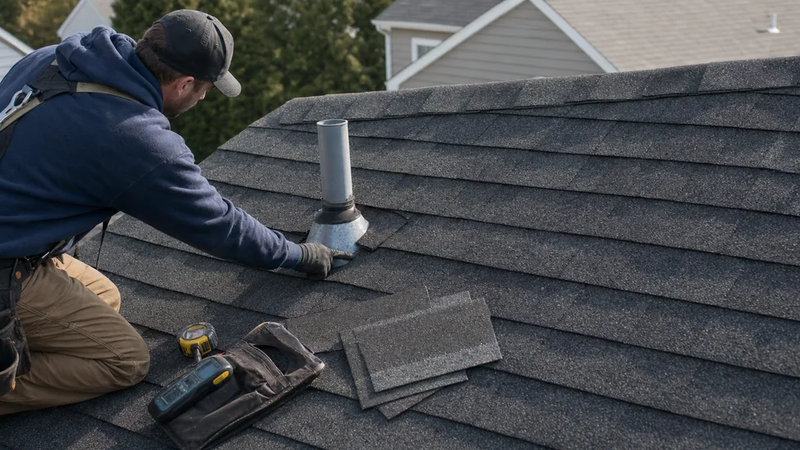
If the property experienced significant wind, hail, or debris—or if new moisture or displaced materials appear—a qualified roof evaluation is a reasonable next step. Ask what areas were accessible and what the evaluation could not determine. Even a general home inspection has limits: InterNACHI’s standard does not require an inspector to walk a roof, move insulation, or confirm roof-covering fasteners. The useful conclusion is based on documented observations and stated limitations, not appearance alone.