On this page
The direct answer
No, not through a standard FHA purchase loan while an active leak remains an unresolved, appraiser-reported defect. The transaction may proceed after the required repair and verification clear that condition.
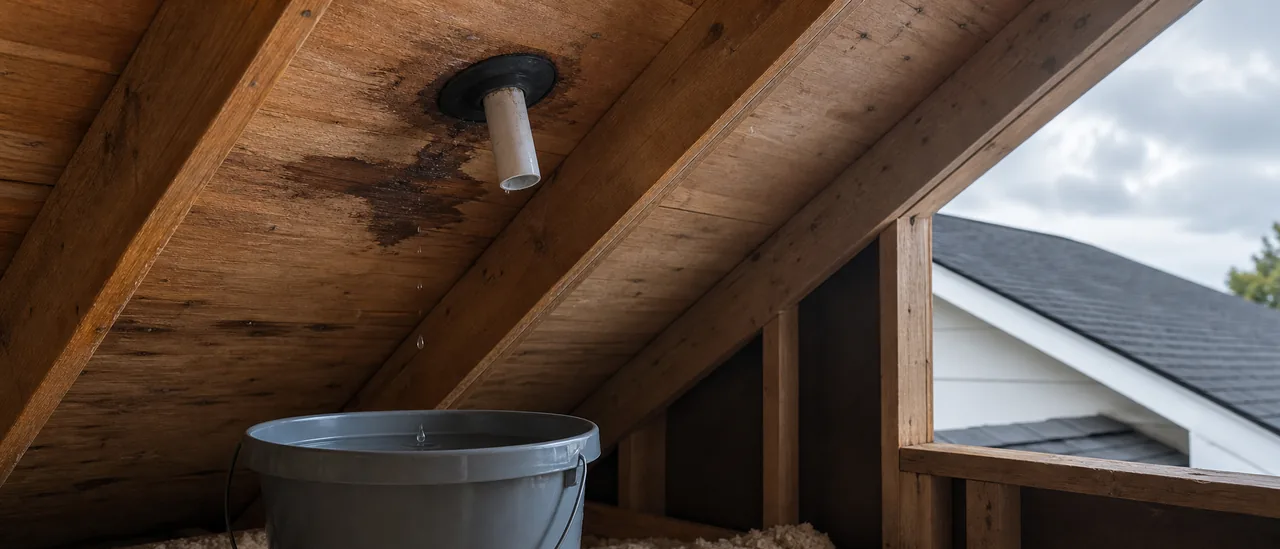
HUD’s FHA roof guidance says a roof covering must prevent moisture entry and should have at least two years of remaining physical life. A leak conflicts with the moisture-control requirement until its cause and required correction are established.
This is not a rule that every stain automatically stops a loan. The relevant issue is the observed condition, whether leakage is active, and what the appraiser and lender require to establish that the property meets FHA standards.
Appraisal condition versus repair plan
A repair agreement between buyer and seller does not by itself clear an FHA appraisal condition. The lender needs the inspection, repair, and completion evidence required for the specific loan file.
Why an active leak usually prevents closing
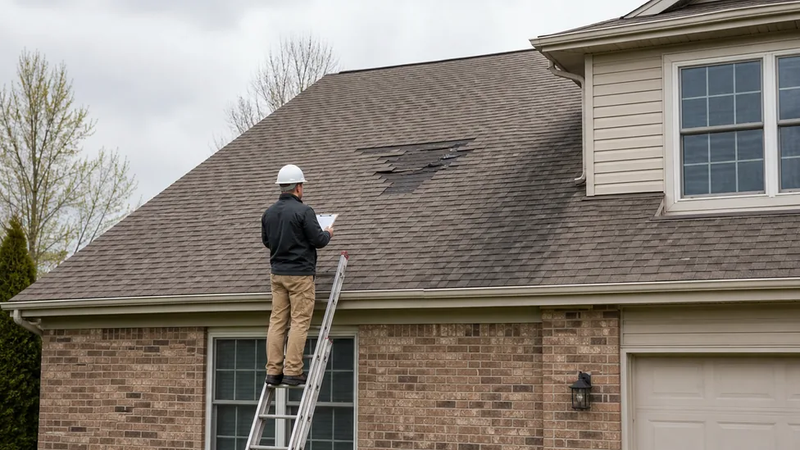
The FHA appraisal reports observable roof deficiencies. HUD’s roof guidance says evidence of damage or leaks should condition the appraisal on further inspection.
The lender evaluates the appraisal and supporting documents. HUD says repair items required by the appraiser or underwriter must be inspected and their clearance documented before the property can be approved.
A roof inspection can therefore determine more than where water entered. It may need to address the roof covering, remaining life, moisture-damaged materials, and whether further structural or environmental evaluation is warranted. The lender—not the home inspector, seller, or buyer—decides whether the submitted evidence clears the appraisal condition.
The exceptions and variables
The route forward depends on the loan program and the wording of the appraisal:
- Repair before closing: The responsible party completes the required work, then provides the lender’s required completion evidence or reinspection.
- Uncertain source or extent: A roofer or other qualified specialist may be required when the appraiser cannot determine compliance. Concealed moisture or structural concerns can produce additional conditions.
- Different loan structure: A rehabilitation loan has different repair and documentation rules. Do not assume its escrow procedures apply to a standard FHA purchase; have the lender identify the exact program and written requirements.
- Contract and local requirements: Repair responsibility, access, deadlines, permits, and remedies depend on the purchase agreement and applicable law. FHA property eligibility does not settle those questions.
What the transaction needs next
Obtain the roof inspection or specialist evaluation identified in the appraisal, a written repair scope, and proof of completed work. Then ask the FHA-approved lender exactly which reinspection and completion documents are required before closing; if rehabilitation financing is proposed, have the lender confirm that program’s repair and escrow documents for this property.