On this page
No—not by themselves
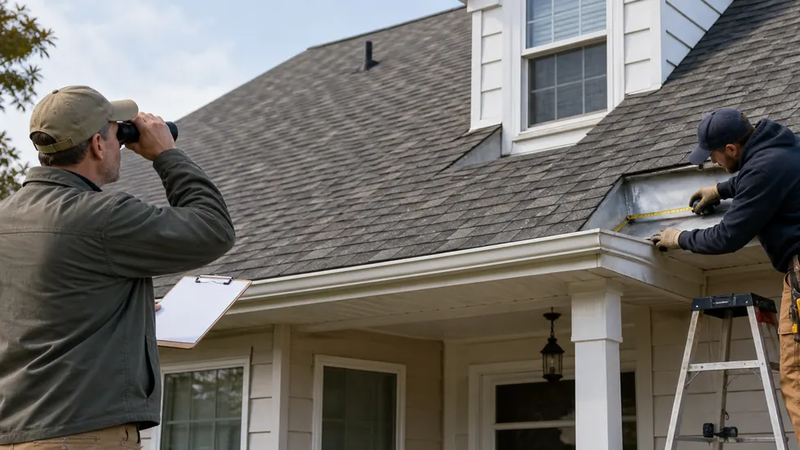
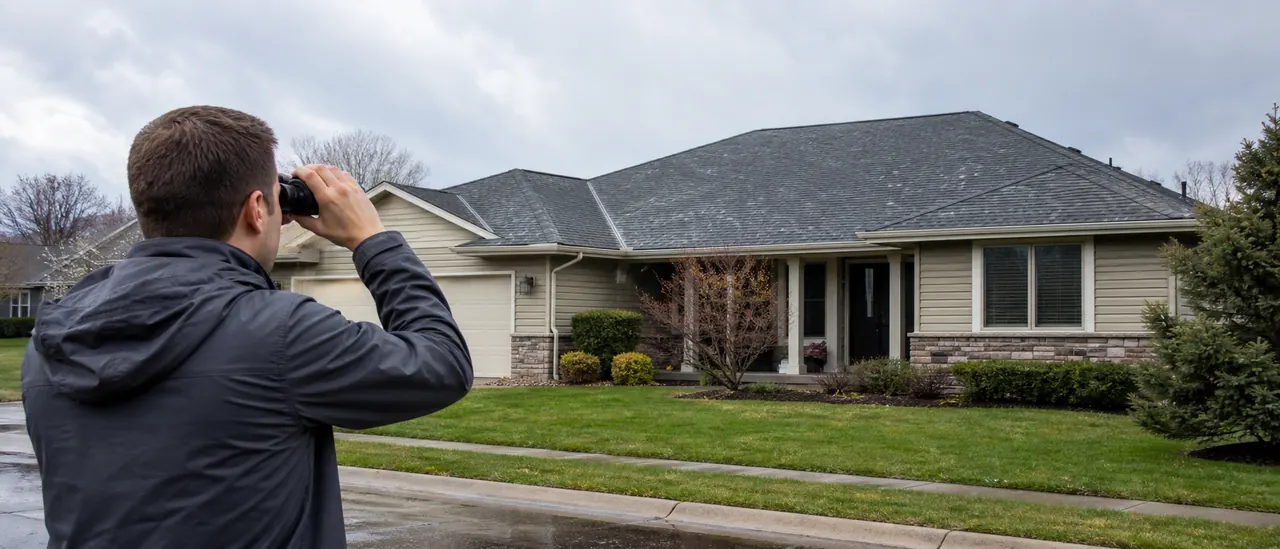
No, binoculars cannot reliably identify hail damage by themselves. They can help screen visible roof surfaces from a safe vantage point, but distance, viewing angle, lighting, and the roofing material limit what magnification can establish.
Obvious changes may stand out: a cracked tile, a dented metal vent, or a conspicuously disturbed patch of shingles. Those observations justify a closer look; they do not establish that hail caused the condition. Small marks may remain invisible, while wear, installation defects, foot traffic, and older impacts can resemble storm damage at a distance.
Why a close examination matters
Hail does not leave one universal mark. The Insurance Institute for Business & Home Safety describes dents, breaches, and displaced granules as impact modes on asphalt shingles. Tile may crack or shatter, while metal may dent. A view detailed enough for one material may be inadequate for another.
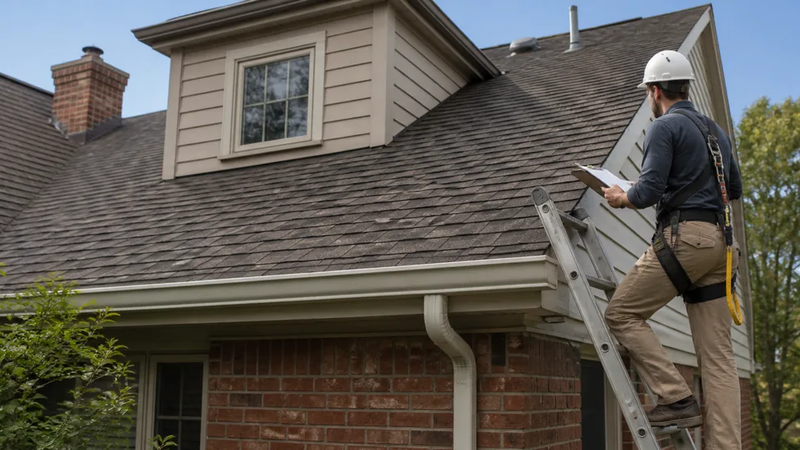
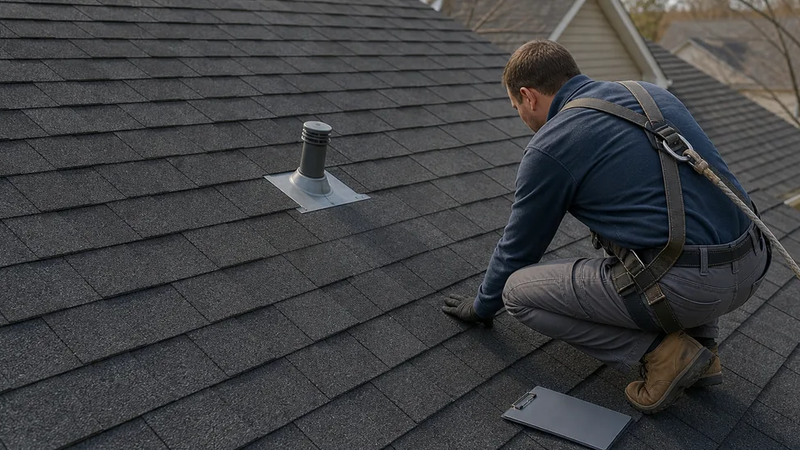
Inspection methods reflect that problem. A published hail-assessment protocol uses representative roof areas where each shingle or shake is examined closely. For asphalt shingles, inspectors may also need tactile examination to evaluate suspected bruising—something binoculars cannot provide.
What binoculars can establish
A binocular view can document a visible condition and its location. It generally cannot establish the mark’s texture, age, cause, distribution across hidden slopes, or effect beneath the surface.
Keep storm evidence separate from damage evidence
Three kinds of information answer different questions:
- Radar estimate: indicates what may be occurring in a storm. National Weather Service guidance warns that automated hail-size predictions can be error-prone and that radar observations may differ from surface conditions.
- Observed hail: documents hail reported or measured at a time and place. It supports that hail reached the ground nearby, not that a particular roof was damaged.
- Confirmed property damage: records a physical condition at the property and evaluates whether its features are consistent with hail impact. This requires property-specific evidence, usually at closer range than binoculars provide.
The distinctions matter even when all three point in the same direction. A strong radar signature cannot substitute for examining the roof, and a clean binocular view cannot rule out subtle or concealed damage.
Practical bottom line
Use binoculars as a screening tool, not a hail-damage verdict. Record the roof planes and components actually visible, note suspicious conditions precisely, and label blocked or poorly lit areas as limitations. If the answer depends on small impact marks, surface texture, or causation, the next step is a safe, close, material-specific inspection—not stronger magnification from the same distant angle.