On this page
Yes, if the inspector agrees and the call does not interfere
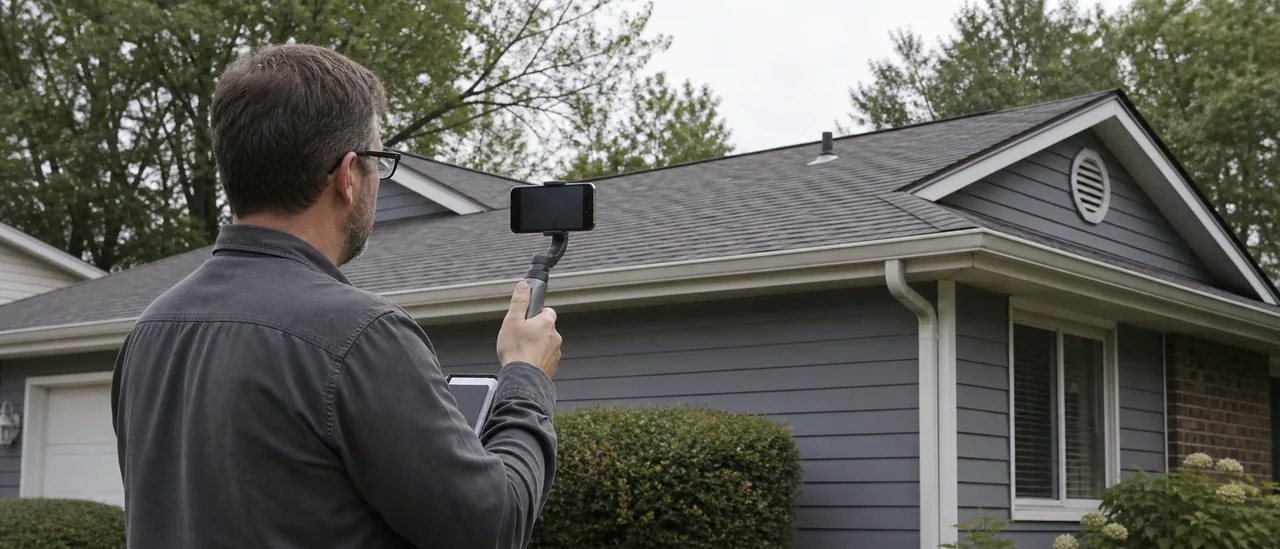
Yes, you can often join a roof inspection by video call, but arrange it beforehand and let the inspector control when filming is safe. A live call can help you see visible conditions and ask questions. It does not expand the inspection scope or turn your screen view into a complete roof assessment.
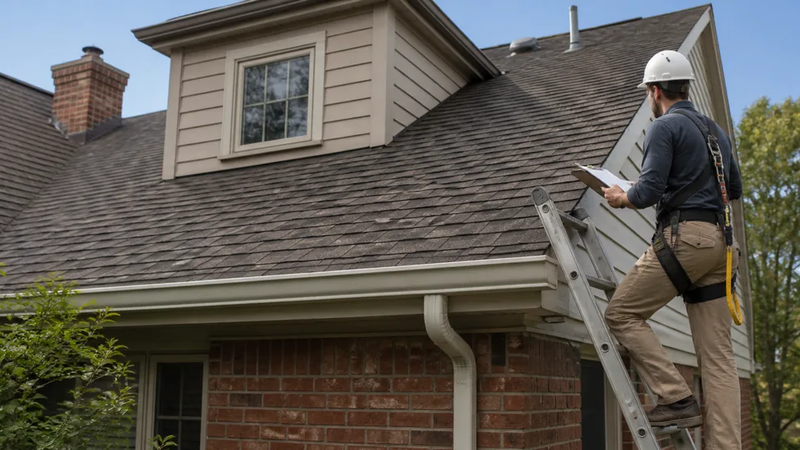
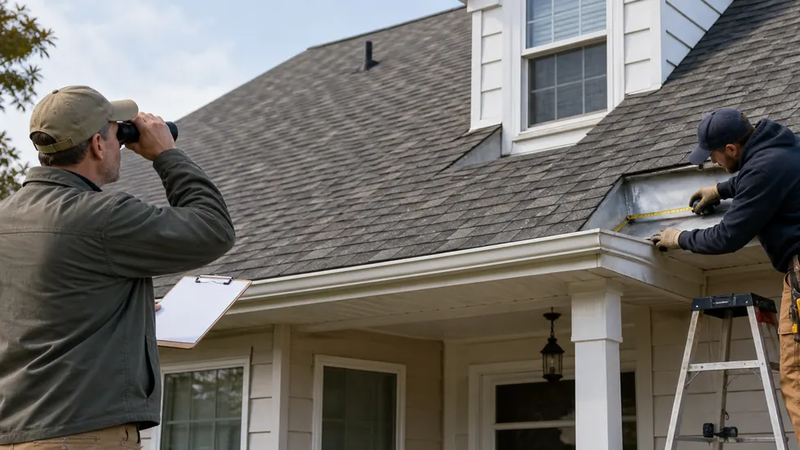
Permission and logistics still matter. The inspector may need the property owner's approval, dependable reception, and a practical way to hold the phone. Some may call from the ground or after leaving the roof rather than while using a ladder or moving across a steep surface.
What the call can help you understand
A useful video call focuses on specific observations. The inspector can show a wide view for location, move closer to a visible condition, and explain how that condition will appear in the written report. You can also ask the inspector to distinguish an observed defect from a possible cause that needs further evaluation.
Before the appointment, agree on a short plan:
- confirm when the inspector will call and how long the live portion should last;
- ask which roof areas and interior areas, such as an accessible attic, are in scope;
- request orientation shots before close-ups so you can locate each observation; and
- decide how the inspector will reconnect or document findings if the signal fails.
The final report should remain the durable record. Video quality changes with glare, motion, compression, poor focus, and an unstable connection.
Your view is narrower than the inspection
A camera shows only what enters its frame. You may miss surrounding roof details, the inspector's other viewing angles, and conditions in areas the inspector cannot safely access.
What video cannot confirm
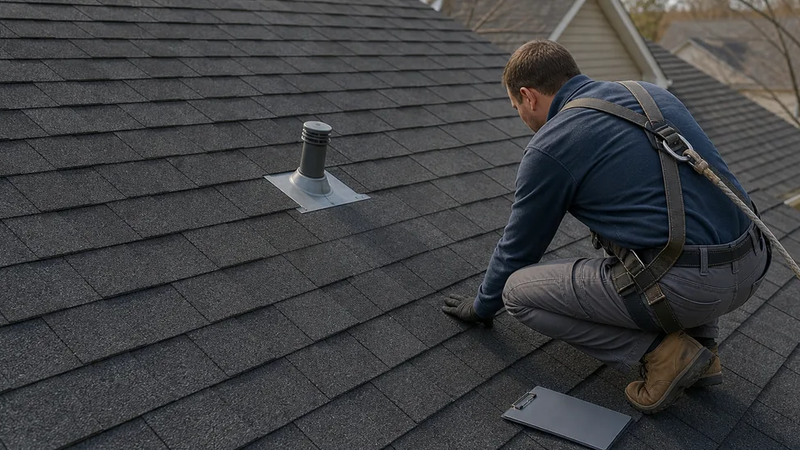
A live image can document visible roof covering, drainage, flashing, penetrations, or surface deterioration when the camera captures them clearly. It cannot by itself confirm the condition of concealed decking, underlayment, fasteners, insulation, or other hidden layers.
Ohio's home-inspection standard illustrates the distinction. It defines the regulated inspection as a visual, non-technically-exhaustive examination of readily accessible components. For roofing, it requires inspection of accessible roofing materials, drainage, flashing, skylights, chimneys, and penetrations, plus reporting the method used. Those requirements apply to Ohio licensees, but the underlying lesson travels well: the applicable standard and written agreement define the inspection, not the presence of a video call.
The call also does not prove the cause, age, or repair scope of every visible mark. A qualified inspector may recommend a focused evaluation when an important question falls outside the agreed visual scope.
Practical bottom line
Ask for the video call in advance, keep it secondary to safe inspection work, and use it to understand documented observations. Afterward, compare what you saw with the written findings, photographs, inspection method, and stated access limits. If the call drops or an area cannot be shown safely, that is a reason to rely on clear documentation—not to push for a risky camera angle.