On this page
Yes, but condition matters more than age
Yes, you can usually sell a house with an old but functional roof, provided you meet applicable disclosure and contract duties and the buyer's financing does not require repairs. Roof age alone is not a nationwide bar to a sale.
Here, “functional” should mean the roof is currently shedding water and has no observed active leak or safety-related deficiency. It does not mean the roof has a guaranteed remaining life. InterNACHI's inspection standard says a component being near or beyond its normal useful life is not, by itself, a material defect. It also says an inspection does not predict future conditions or determine service life.
What can change the answer
Disclosure duties depend on the property's jurisdiction and the transaction. For example, Washington's statutory form for improved residential property asks whether the roof leaked within the previous five years. It also advises buyers and sellers to consider qualified inspections and contract provisions. That example illustrates why a seller should use the required local form rather than assume “no current leak” resolves every disclosure question.
The purchase contract can also make roof condition important. An inspection contingency may allow the buyer to request repairs, renegotiate, or exercise rights stated in the agreement. Those outcomes come from the contract, not simply from the roof's age.
Functional is not the same as financeable
A roof can perform today yet still draw an appraisal comment because of visible deterioration or deferred maintenance. The lender applies the rules of the buyer's loan program.
Fannie Mae guidance permits an “as is” appraisal when existing conditions are minor and do not affect safety, soundness, or structural integrity. If an appraiser identifies a deficiency that could affect those areas, the appraisal must be subject to repair; a qualified-professional inspection may also be required. The Consumer Financial Protection Bureau likewise notes that an appraisal may make the property subject to repairs under the loan program.
Documents that reduce uncertainty
Before marketing or negotiating, assemble the facts a buyer, inspector, or lender may need:
- roof age and covering type, if known;
- invoices, permits, warranties, and repair records;
- dates and details of known leaks or water intrusion; and
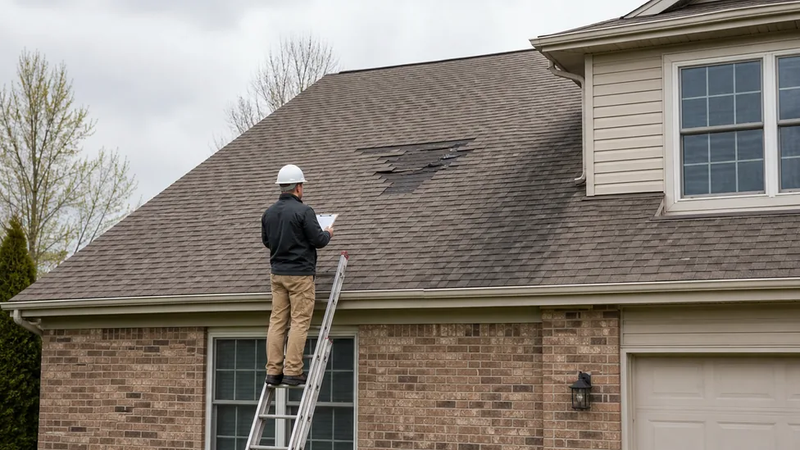
- a current written inspection describing visible coverings, flashing, penetrations, drainage, and accessible roof structure.
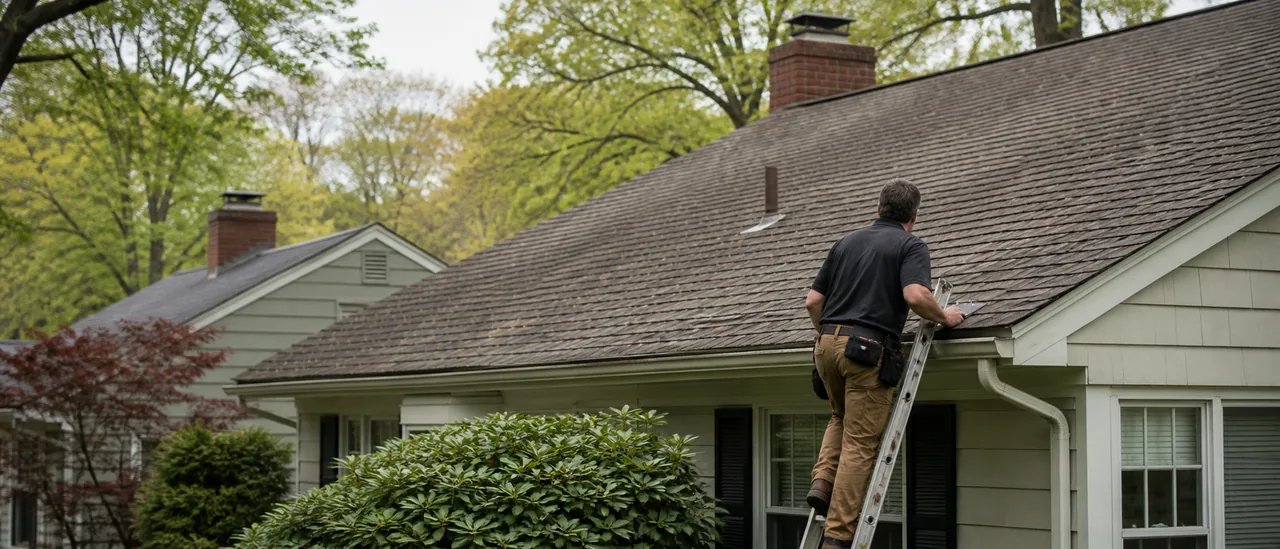
A general home inspection is visual and limited. InterNACHI's standard includes roof coverings, gutters, downspouts, flashing, penetrations, and accessible structure, but it does not require walking every roof, water testing, or certifying the roof.
Practical bottom line
An old roof can be sold without automatic replacement when its present condition is acceptable and no law, contract, appraisal, or loan condition requires more. The seller should not promise future performance or conceal known problems.
Before closing, have an independent roof inspector document the roof's current condition and limitations, then provide the report and repair records for the transaction-specific lender and legal review.