On this page
Yes—impact-resistant does not mean impact-proof
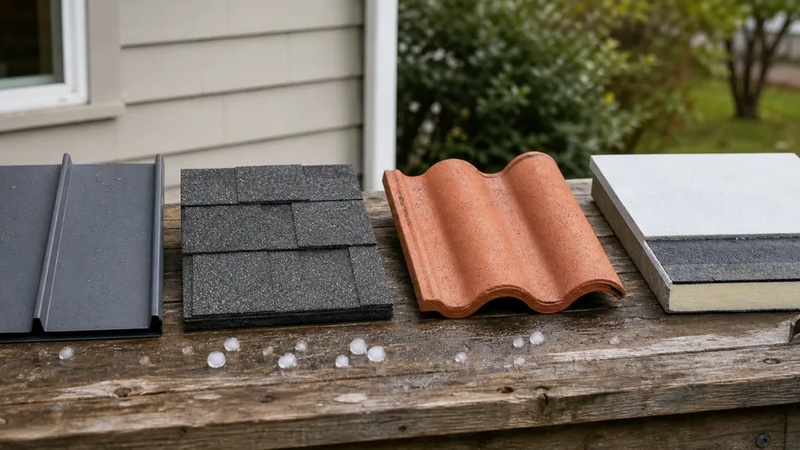
Yes, impact-resistant shingles can still be damaged by hail, especially when real impacts exceed the conditions represented by their laboratory rating. The designation means a product passed a defined test; it does not guarantee that every installed roof will emerge unmarked or fully functional after every storm.
UL 2218 classifies prepared roof coverings from Class 1 through Class 4. Its steel-ball test applies controlled impact energy, and Class 4 is the highest classification. UL Solutions notes that the test checks for physical breach damage visible from the back of the shingle, but it does not account for visible denting or granule loss.
A rating describes tested performance
A Class 4 label identifies performance under UL 2218 test conditions. It is not a damage warranty, a forecast for one storm, or proof of the condition of shingles already installed on a roof.
Why damage can still occur
Natural hail is not as uniform as a laboratory projectile. Hailstones vary in size, density, shape, impact angle, and speed. The Insurance Institute for Business & Home Safety uses laboratory-made hailstones and evaluates denting, granule loss, and tears or cracks because shingles can respond differently even when they carry an impact-resistant label.
Roof condition also matters. Aging, prior wear, installation details, roof slope, and the support beneath the shingles can affect how an installed roof responds. The practical question is therefore not only which label appears on the package, but what happened to this roof during this storm.
Possible outcomes include:
- no visible or functional change;
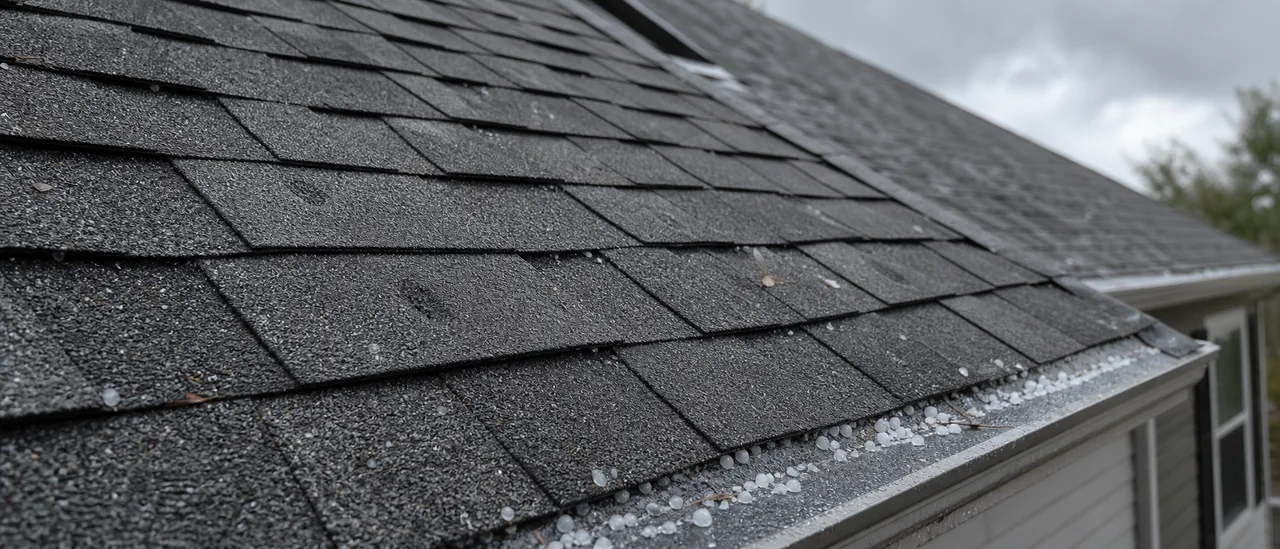
- surface effects, such as localized granule loss or dents;
- cracking, tearing, or another breach that may affect performance; or
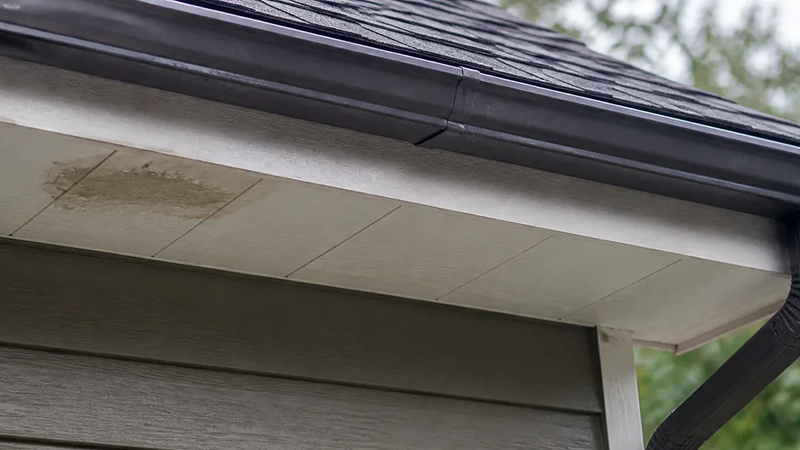
- damage to roof components other than the field shingles.
These possibilities should not be diagnosed from the ground by matching marks to online photographs. Normal weathering, foot traffic, manufacturing features, and hail can leave different-looking conditions that require context to interpret.
Weather evidence is not a roof diagnosis
Radar-derived hail products estimate whether hail may be present in a storm. A measured hailstone or a trained spotter’s report is an observation at a particular place and time. Neither one confirms that a specific property was damaged.
National Weather Service spotter guidance asks observers to report what they witnessed and treats hail occurrence, hail size, and damage as separate details. Confirming roof damage requires property-specific evidence, usually a safe, close evaluation of the roof covering and related components.
Practical bottom line
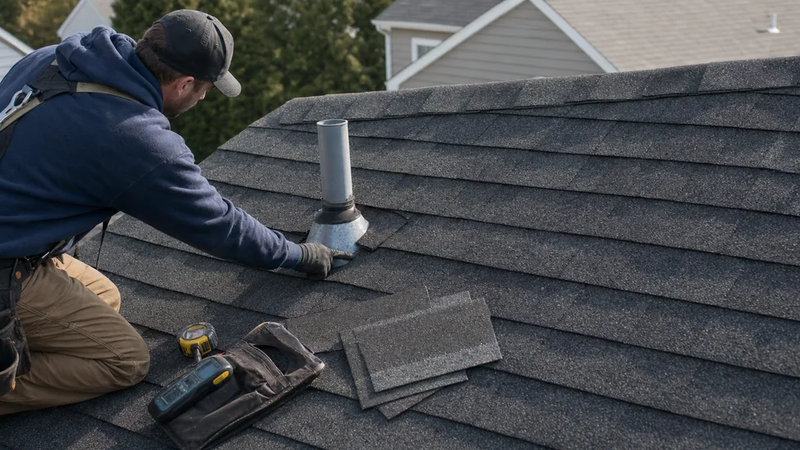
Impact-resistant shingles are designed to perform better against impact, not to make hail irrelevant. After a significant hail event, look safely from the ground for displaced materials, debris, or leaks. If there is a concern, a qualified roof evaluator can determine whether the shingles are damaged and whether any change is cosmetic or functional.