On this page
Yes—but the roof and exposure matter
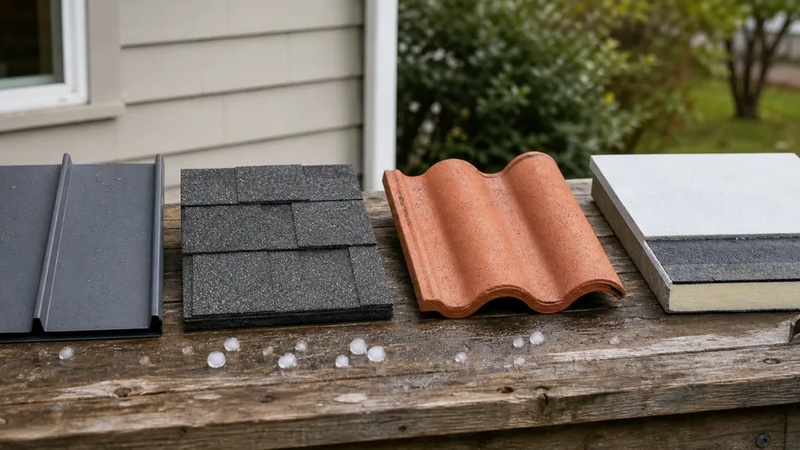
Yes. Small hail can affect asphalt shingles without leaving obvious signs, especially when impacts are dense or the roof is already weathered.
That does not mean every small-hail storm causes functional damage. “Small” is not a universal damage threshold. In a 2023 research summary, IBHS described laboratory work on high concentrations of sub-severe hail and the cumulative susceptibility of asphalt shingles. That evidence does not make one impact—or one storm—decisive.
Why damage may be hard to see
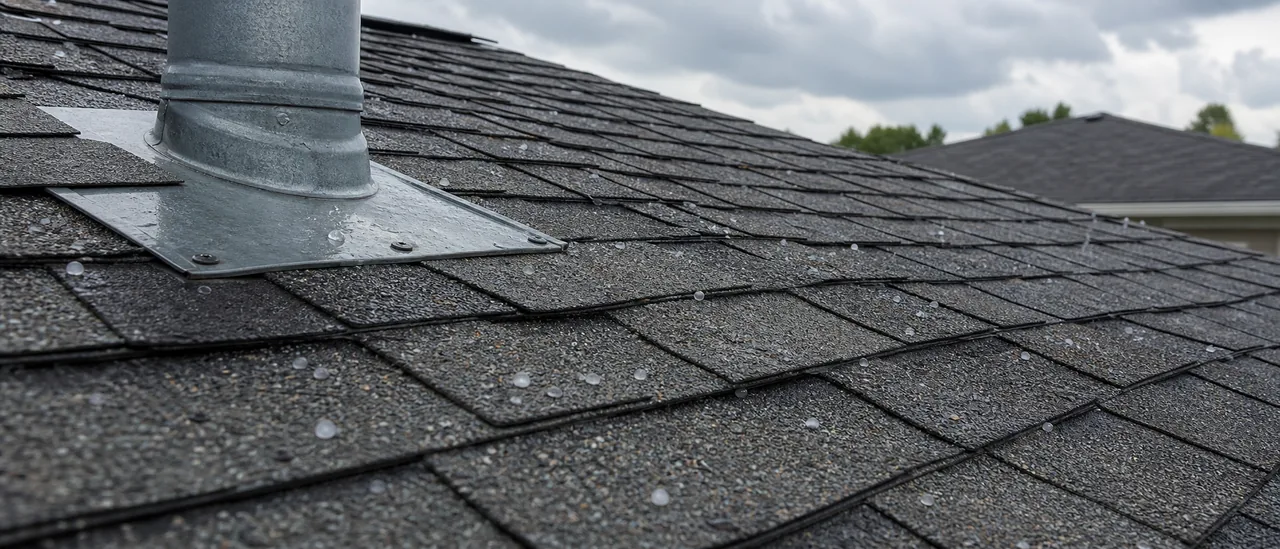
Hail can dent asphalt shingles, displace surface granules, or breach the material. Minor granule displacement may blend into the roof’s texture, while a fracture within the fiberglass mat may not be immediately visible. Manufacturer guidance for asphalt shingles also notes that outward damage can take months or years to become apparent.
The visible mark also does not tell the whole performance story. Granule displacement can be cosmetic or part of a material change, while a mat fracture is a different condition. The finding must be identified before its practical importance can be judged.
Radar, hail reports, and roof findings answer different questions
Radar can estimate whether hail occurred and its possible size. A ground report records hail observed at a place and time. Neither confirms damage at a particular property; that requires evidence from the roof and related building components.
Variables that change the outcome
Size alone is incomplete. The effect also depends on:
- Hail properties: Diameter, mass, speed, and hardness influence impact energy and whether a stone bounces, shatters, or softens on contact.
- Impact conditions: A direct impact transfers more energy to the surface than a glancing one; wind can change the angle.
- Roof condition: Weathering, product design, and existing granule loss can change how asphalt shingles respond.
- Exposure pattern: Many closely spaced impacts or repeated storms can matter more than a few scattered stones.
For asphalt shingles, product design, age, weathering, and prior exposure can change the response. An unchanged view from the yard therefore cannot establish that the roof surface is unaffected.
Practical bottom line
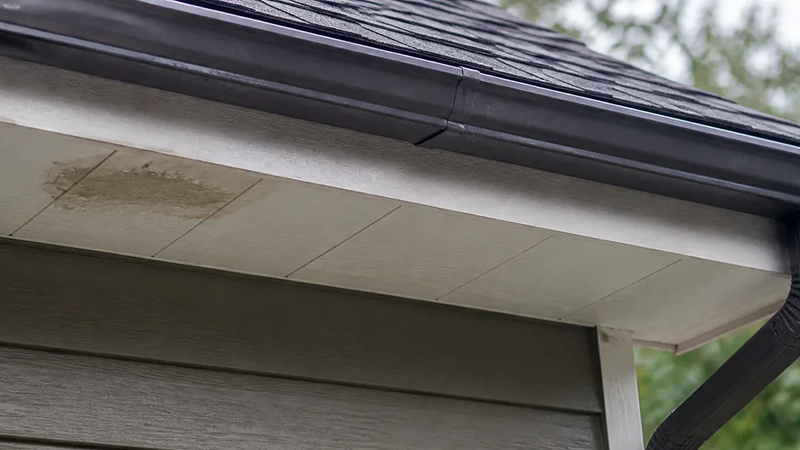
Do not treat a radar map as a damage map, and do not assume “no obvious marks” means “no possible effect.” Look from the ground for a new leak, displaced material, or fresh random dents on exposed metal components. Those observations are clues, not a diagnosis.
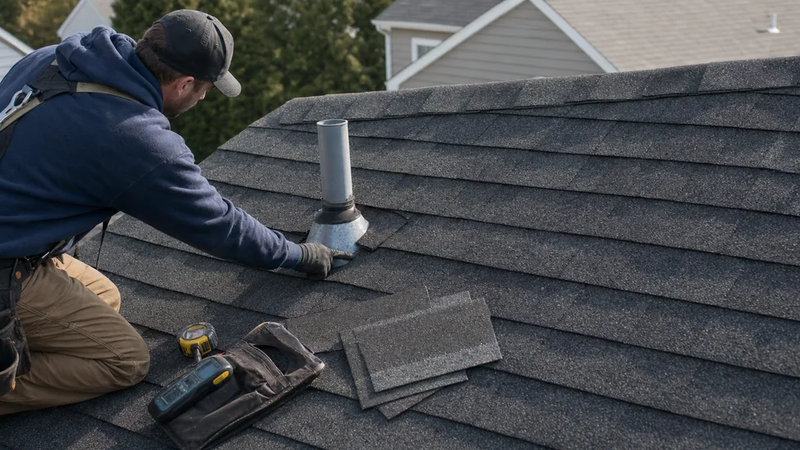
A qualified roof evaluation is reasonable when those clues appear, the roof was already weathered, or the property experienced dense or repeated hail. The evaluator should separate observed conditions from possible causes and explain whether any finding affects water shedding or service life.