On this page
Yes, when the written terms allow it
Yes—an inspection fee can be credited toward roof repairs, but only if the repair provider agrees to that arrangement. The credit is not an automatic feature of a roof inspection.
Here, a credit means that some or all of the inspection charge is subtracted from a later repair invoice. It is different from refunding the inspection fee. The inspection was still a completed service, even if a later invoice applies an offset.
Whether a credit is available depends on the provider’s written offer or contract. A separate repair contractor is not obligated to absorb a fee paid to an independent inspector unless that contractor expressly agrees.
Confirm the math before authorizing repairs
Ask whether the credit reduces the quoted repair total or appears after other discounts, deposits, and taxes. The final written price should show the credit as a distinct amount.
Terms that determine the answer
Before relying on a promised credit, check these details:
- Eligible work: Does it apply to any repair or only work above a stated minimum?
- Amount: Is the full inspection fee credited, or is the credit capped?
- Deadline: Must the repair agreement be signed within a certain period?
- Provider: Must the company that performed the inspection also perform the repair?
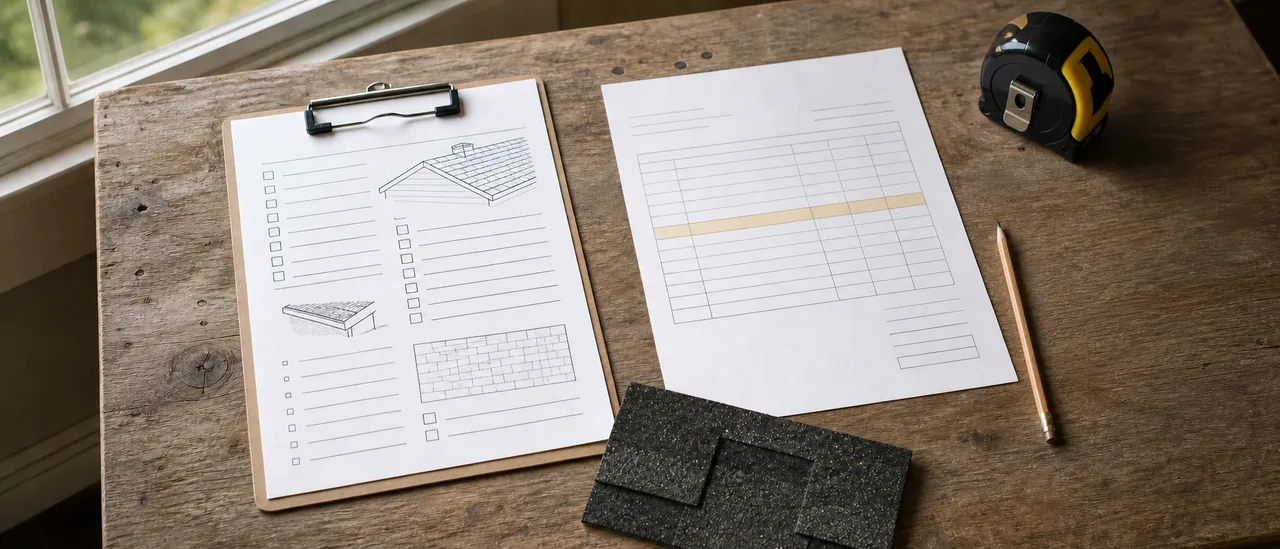
- Documentation: Does the estimate or contract identify the inspection payment and the exact offset?
The Federal Trade Commission advises homeowners to obtain written estimates that describe the work, materials, completion date, and price. It also recommends putting promises about project scope and costs in the contract. Those details are where an inspection-fee credit belongs—not in a verbal assurance.
The credit does not expand the inspection
Payment terms and inspection findings answer different questions. A fee credit changes the repair price; it does not make the inspection more comprehensive or confirm concealed damage.
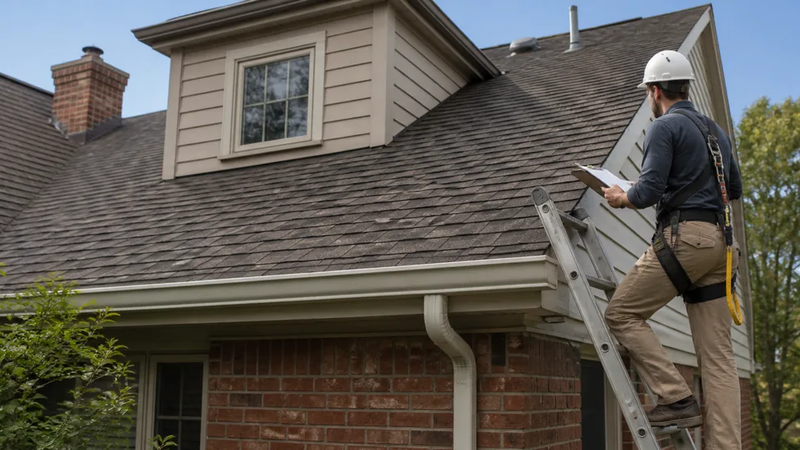
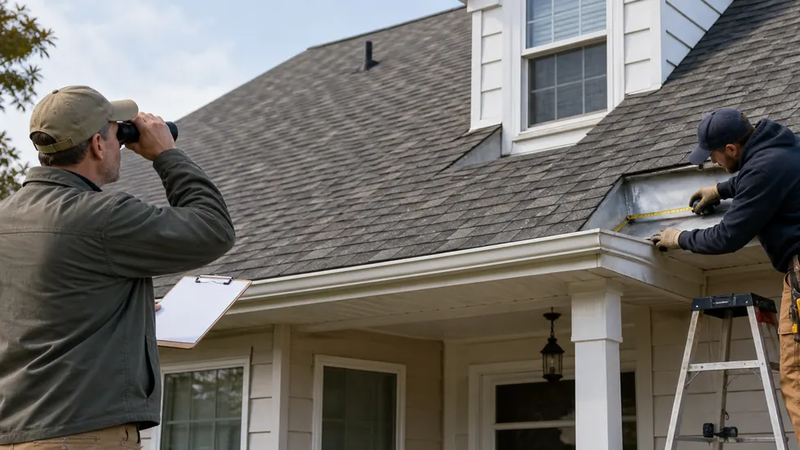
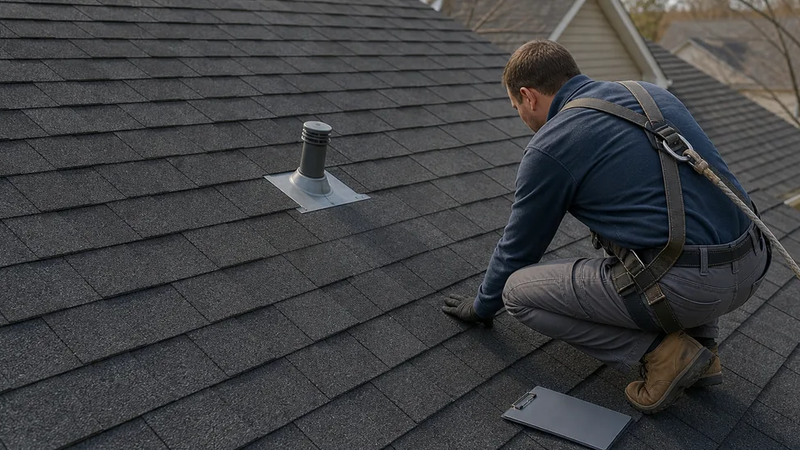
For example, InterNACHI’s home-inspection standard defines an inspection as a non-invasive visual examination of accessible areas. Its roof section covers visible roof coverings, gutters, downspouts, penetrations, and structure seen from readily accessible openings. The standard does not require an inspector to walk every roof, uncover components, certify the roof, confirm fastening, or provide repair-cost estimates.
This means visible deterioration, displaced materials, or signs of an active leak may be documented, while hidden underlayment, fasteners, and covered decking generally cannot be confirmed visually. Any repair proposal should distinguish observed conditions from assumptions and identify whether further evaluation is needed.
Practical bottom line
Treat an inspection-fee credit as a contract term, not an inspection rule. Get the amount, eligibility, expiration, and calculation in writing before approving repairs. Then compare the written repair scope with the inspection report so the credit does not distract from what will—and will not—be repaired.