On this page
Yes—but damage is not automatic
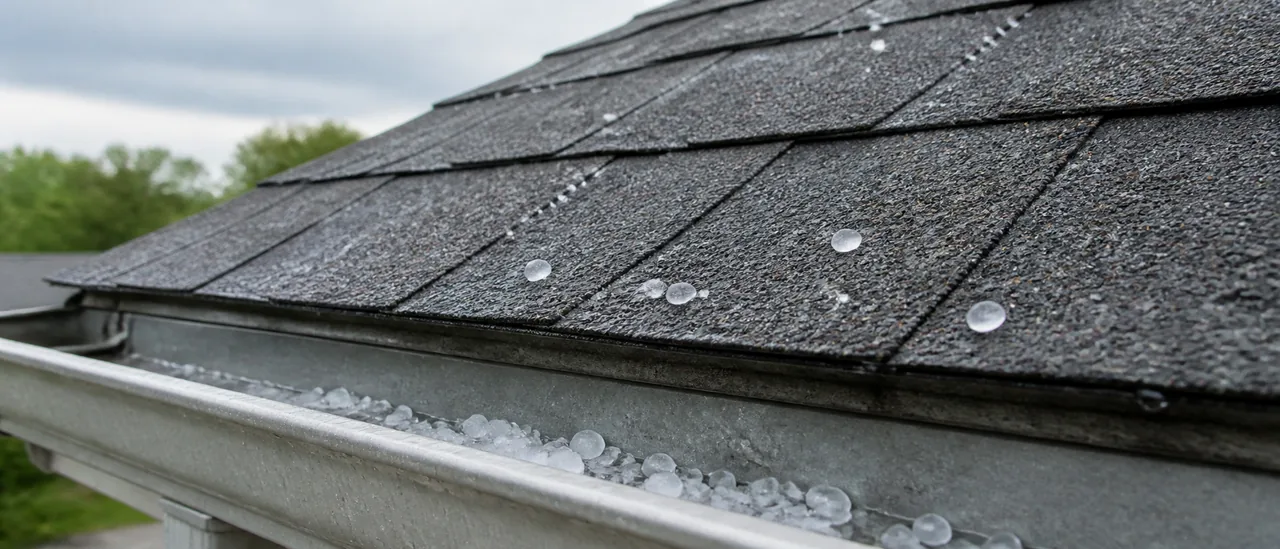
Yes, three-quarter-inch hail can damage a roof, but damage at that size is more plausible on deteriorated roofing and is not automatic. A reported hail diameter alone cannot establish that a particular roof was damaged.
The National Weather Service associates three-quarter-inch hail with a penny. It is smaller than the current one-inch threshold used to classify hail as severe, but “below severe” is a weather-reporting category, not a roofing verdict.
Nebraska Department of Insurance guidance places three-quarter-inch hail near the lower edge of roof-damage potential. It says deteriorated composite shingles may show damage from hail below one inch, while heavier composite and wood-shake roofing generally require larger stones. That is useful context, not a universal cutoff.
Size categories are not damage thresholds
The NWS severe-hail threshold helps describe and warn about storms. It is not a pass-fail test for roofing, and a penny-size report is not a roof diagnosis.
What changes the outcome
Several variables change how a roof responds:
- Roof condition: Weathering can leave a roof covering less resistant than it was when new. Deteriorated composite shingles are more vulnerable to sub-one-inch hail.
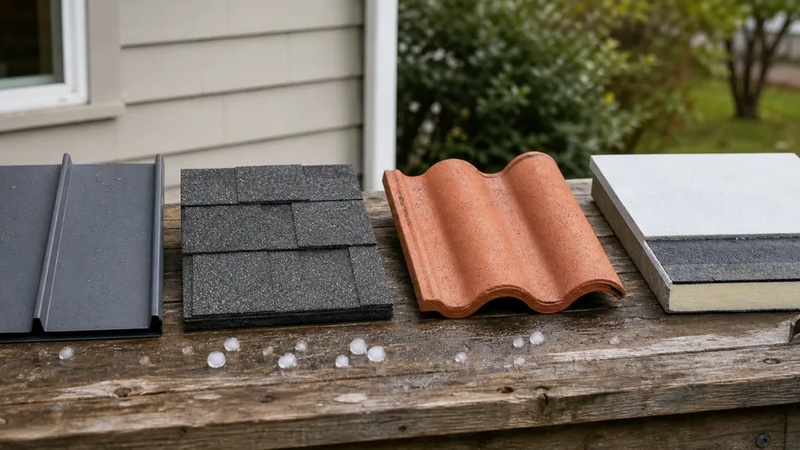
- Material: Heavy composite, lightweight composite, and wood-shake roofing do not respond identically. Hail size cannot be separated from the covering it strikes.
- Wind and impact angle: Wind can drive hail against particular roof faces. An NWS storm review documented roof damage from wind-driven hail in a mixed-size event, although it could not attribute that damage to one hail diameter.
- Impact pattern: A few scattered marks differ from widespread, fresh strikes. One nearby measurement also cannot show how many stones reached a particular roof.
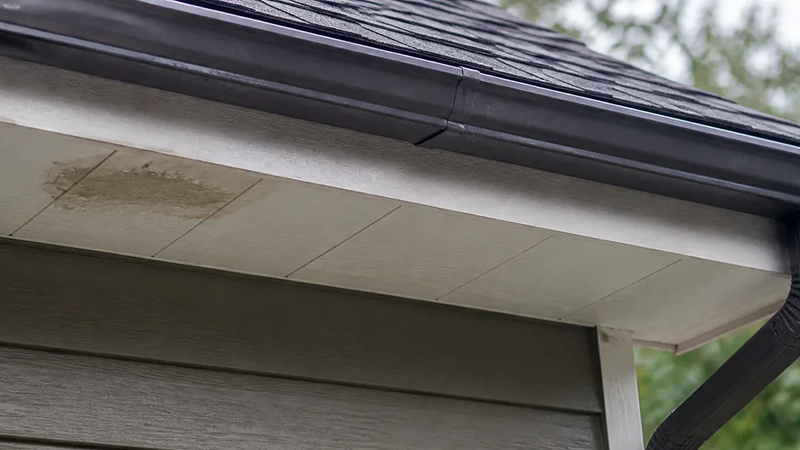
Possible effects also differ from confirmed roof damage. Nebraska's guidance notes that granules at a downspout may suggest an effect but do not prove damage. A leak after a storm likewise needs its source confirmed rather than attributed from timing alone.
Radar, observations, and roof findings
These are three separate kinds of information. Radar-derived products such as NOAA’s Maximum Estimated Size of Hail estimate what a storm may produce and have documented limitations. A spotter’s measurement is a ground observation at a specific time and place. Neither one confirms what happened to a nearby roof.
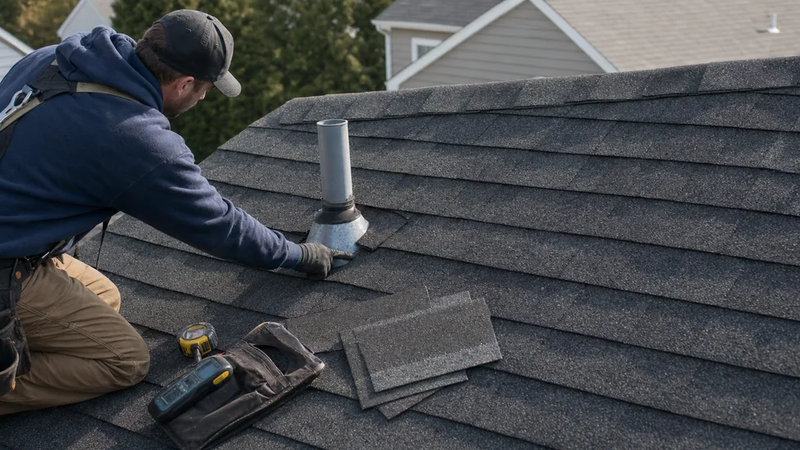
Confirmed property damage requires evidence from the property itself, interpreted in context. Relevant observations may include fresh, consistent impact marks across roof-facing materials, displaced or fractured roofing, and associated effects on vents or flashing. Similar-looking marks can have other causes, so photographs or a weather map should not substitute for an on-site evaluation.
Practical bottom line
Three-quarter-inch hail presents a real but conditional damage possibility. If new leaking, displaced material, or widespread fresh impact marks appear after a storm, a qualified roof inspector or experienced roofing evaluator can determine whether damage is present and distinguish it from wear or unrelated defects.