On this page
Yes, but a missed defect alone does not establish liability
Yes, you may be able to sue a home inspector, but success usually depends on proving the inspector failed an applicable duty and caused a measurable loss. The inspection agreement, report, state law, and whether the defect was reasonably observable all matter.
Pennsylvania law provides one concrete example. It requires the care a reasonably prudent home inspector would exercise and expressly addresses actions seeking damages from a home inspection report. Other states use different standards and remedies.
Home-inspector licensing, lawsuit deadlines, available claims, and enforceability of contract terms vary by jurisdiction.
The inspection scope is the starting point
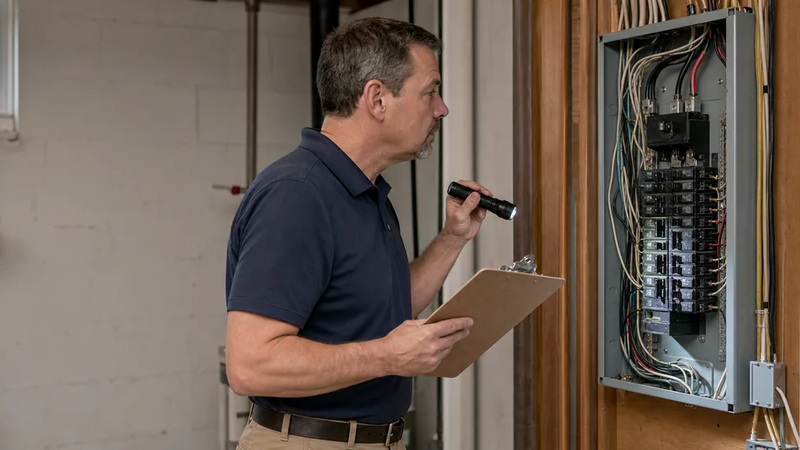
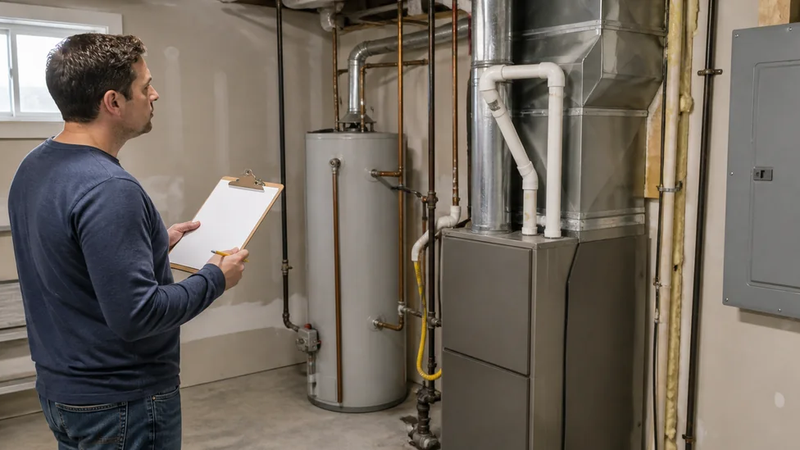
A standard home inspection is limited, visual, and tied to conditions present on the inspection date. Washington’s official standard, for example, says an inspection uses visual observations, simple tools, and normal homeowner controls. It is not technically exhaustive and does not identify concealed conditions or latent defects.
Florida similarly defines home inspection services as a limited visual examination of readily accessible systems. Its law requires inspectors to disclose the inspection’s scope and exclusions before contracting or beginning work.
Therefore, an inspector is not automatically responsible for every problem discovered later. A stronger claim generally involves a material condition that was within the agreed scope, visible or otherwise required to be inspected, and omitted or inaccurately reported without a documented limitation.
A hidden defect and a missed visible defect are different questions
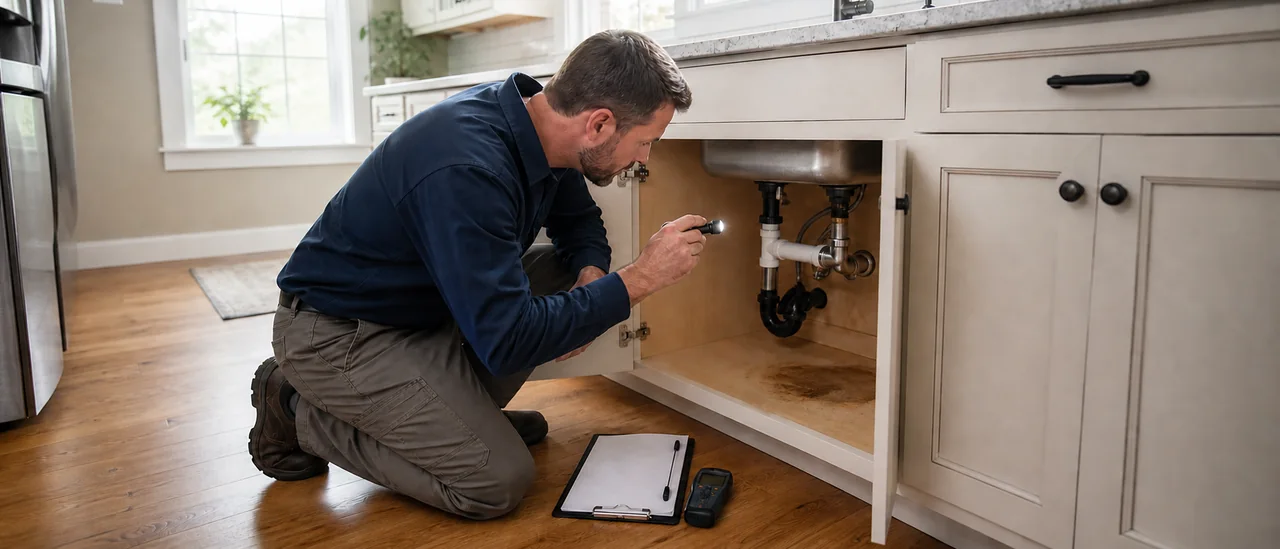
A concealed leak behind a finished wall may fall outside a visual inspection. Visible staining, an accessible damaged component, or a required system left unreported may present a different issue, depending on the standard and agreement.
What evidence matters
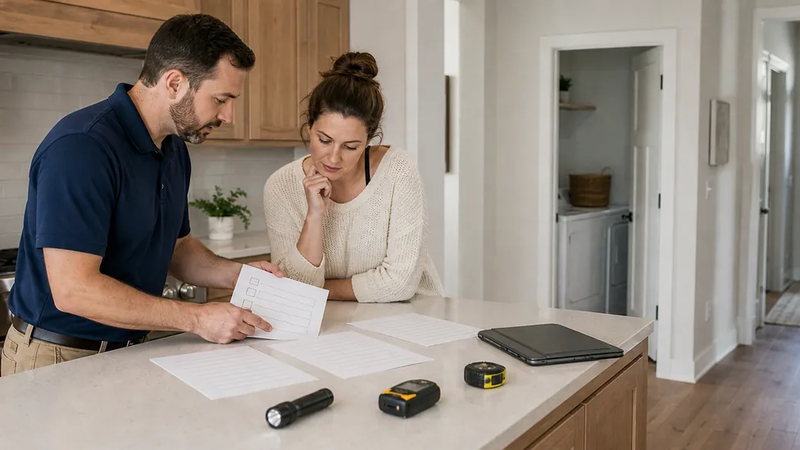
Before deciding what to do, collect the records that connect the inspection to the loss:
- the signed inspection agreement and any liability or notice provisions;
- the complete report, photographs, emails, and invoices;
- dated photographs of the newly discovered condition;
- a qualified specialist’s written findings about visibility, likely duration, cause, and repair scope; and
- repair estimates, receipts, or other proof of financial loss.
Avoid destructive repairs until the condition is documented, unless immediate work is necessary for safety or to prevent further damage. Give any specialist the original report, but ask for an independent evaluation rather than a legal conclusion.
Act promptly and check the required process
Deadlines can be short. Pennsylvania requires an action for damages arising from a home inspection report within one year after delivery. Massachusetts uses two years and bars inspectors from using a contract clause that caps damages for negligent or wrongful errors or omissions. Those examples show why neither a deadline nor a liability clause should be assumed to work the same everywhere.
The practical bottom line: compare the defect with the written scope and exclusions, preserve the evidence, and check the law where the inspection occurred. Because deadlines and remedies are jurisdiction-specific, a locally licensed attorney can evaluate a potentially significant claim.