On this page
Yes—when your purchase contract gives you that right
Yes, you can often walk away after a home inspection if an active inspection contingency allows it and you follow the contract's deadline and notice requirements. Without that protection—or after its deadline—the consequences depend on the signed agreement and applicable law.
The inspection report does not automatically cancel the sale. It supplies information that a buyer can use within the choices the contract provides. The Consumer Financial Protection Bureau says a buyer whose contract is contingent on a satisfactory inspection may cancel without penalty when dissatisfied with the results.
Check the contingency before choosing a response
Inspection clauses vary, so read the actual wording rather than assuming every defect creates an exit. The contract may define an inspection period, a method for delivering notice, and what happens to earnest money.
Depending on those terms, the buyer's available responses may include:
- accepting the property in its current condition;
- asking the seller to make repairs or provide a credit;
- requesting additional evaluation during the allowed period; or
- terminating the contract as the contingency permits.
The seller may reject a repair or credit request. That refusal does not create a cancellation right beyond what the agreement already grants.
“Walk away” is a contract action
Missing a deadline, using the wrong notice method, or waiving the contingency can change the result. If the language or financial consequences are unclear, consult a licensed real-estate professional or attorney in the property's jurisdiction before acting.
What the inspection can—and cannot—settle
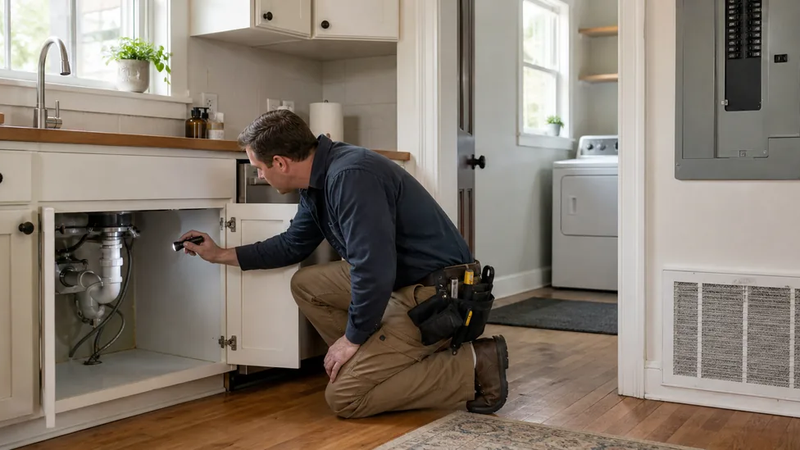
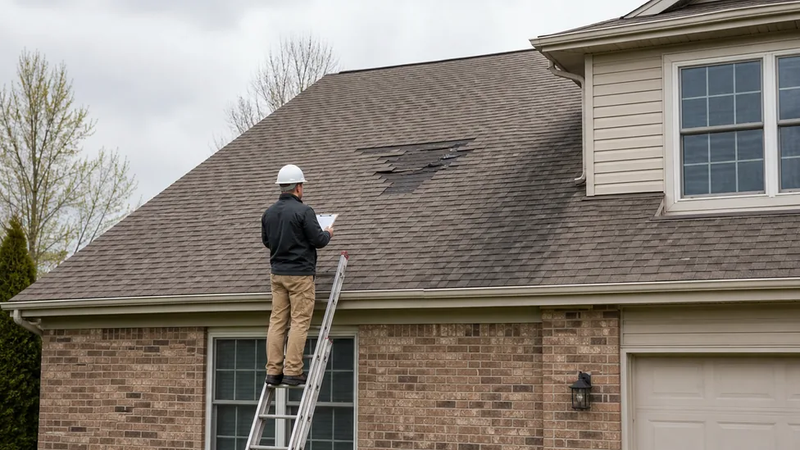
A general home inspection is a non-invasive visual examination of accessible areas. InterNACHI's standard says it reports observed material defects in specified systems and components, based on conditions on the inspection date.
That scope has important limits. The standard says an inspection is not technically exhaustive, does not identify concealed or latent defects, and does not determine whether buying the property is advisable. Furniture, finished surfaces, unsafe areas, and inaccessible components may prevent observation.
Therefore, a clean-looking report cannot confirm that every part of the home is defect-free. Conversely, a reported defect does not by itself establish repair cost, cause, or a legal right to cancel. A qualified system specialist may be needed when the inspector recommends further evaluation and the contingency period still allows it.
Practical bottom line
Start with the signed contract, not the severity of a report photo. Confirm whether the inspection contingency is still active, what decisions it permits, the exact deadline, and how notice must be delivered. Then weigh the report, any specialist findings, and the seller's response before accepting, negotiating, or terminating under the agreement.