On this page
The direct answer
No—home inspectors generally do not check a house for code violations as part of a standard inspection. They may notice and report visible conditions that resemble code problems, but that is different from certifying compliance with an adopted building code.
The American Society of Home Inspectors (ASHI) standard specifically excludes determining whether systems comply with past or present codes, regulations, laws, and related requirements. InterNACHI’s standard likewise says an inspector is not required to determine compliance with codes or regulations.
What a home inspector does instead
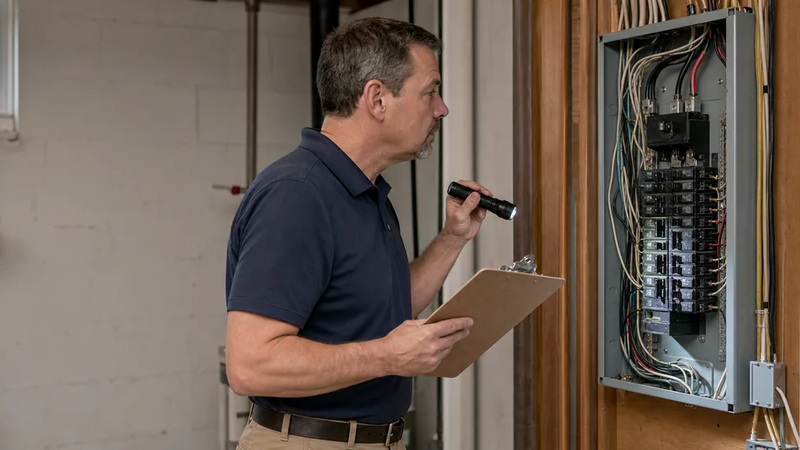
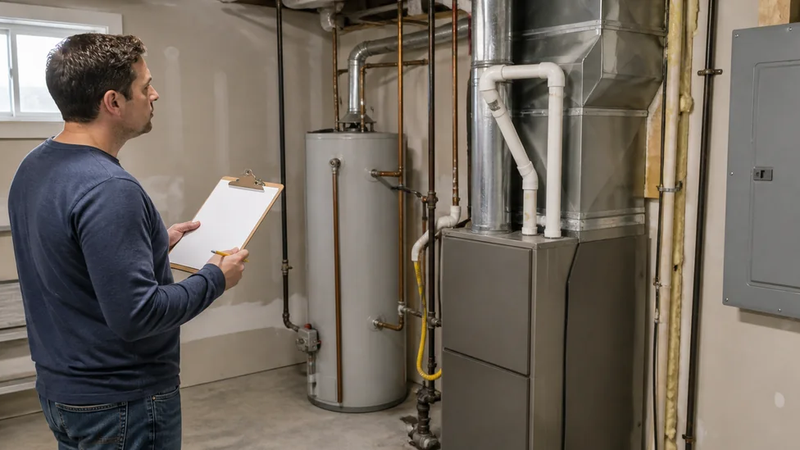
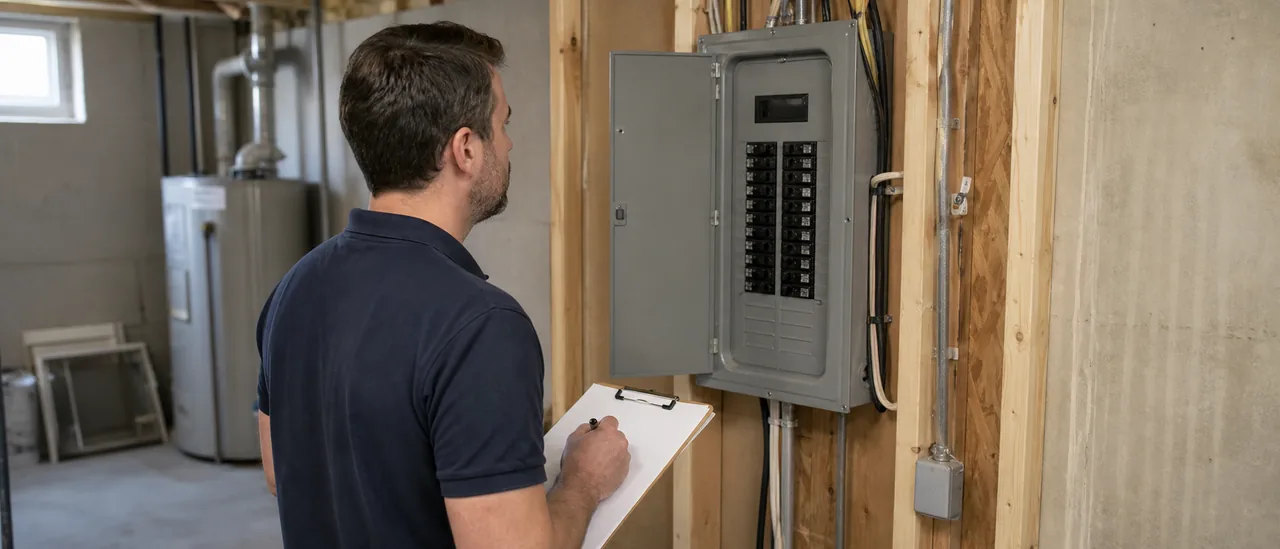
A general home inspection is a visual, non-invasive evaluation of accessible systems and components. The inspector looks for observed defects, unsafe conditions, improper operation, and items that may need correction or further evaluation.
That work can overlap with subjects addressed by building codes. For example, an inspector may report a loose stair railing, unsafe wiring, or a damaged structural component based on its visible condition. The report may recommend correction without declaring a formal violation or identifying the exact code edition that applies.
A finding is not a code ruling
“Not up to current code” and “defective or unsafe” are not interchangeable. A report can identify a practical concern without establishing which rule applied when the work was built or altered.
Why code compliance is a separate question
Codes vary by jurisdiction and change over time. Whether a condition violates a code can depend on the property’s location, construction date, permit history, later alterations, and the edition adopted by the local authority.
The inspection agreement also matters. State rules may set a mandatory scope, while a client and inspector may agree to additional services. If code-compliance research is important, confirm in writing whether it is included before the inspection.
What can be confirmed visually
An inspector can document what is visible and accessible on the inspection date. The inspector may operate normal controls, open readily accessible panels, and describe observed deficiencies within the applicable standard of practice.
A visual inspection cannot confirm concealed fastening, wiring behind walls, buried piping, hidden fire blocking, or every past alteration. Inspectors also generally do not dismantle systems or perform destructive testing. Municipal records and permits may add context, but they do not prove that concealed work was installed correctly or remains in good condition.
Practical bottom line
Read the report as a condition assessment, not a code certificate. Ask the inspector what standard and exclusions govern the inspection, and whether a comment describes a defect, a safety concern, or only a possible compliance question.
When a transaction, renovation, or disputed condition requires an official code determination, contact the local building authority or an appropriately qualified specialist for the specific system. The right reviewer depends on the issue and local requirements.