On this page
No—an inspection is a snapshot, not a guarantee
No, a home inspection does not guarantee that nothing will break; it reports observable conditions within an agreed scope at a particular time. A component may fail later even if it operated normally and showed no visible defect during the visit.
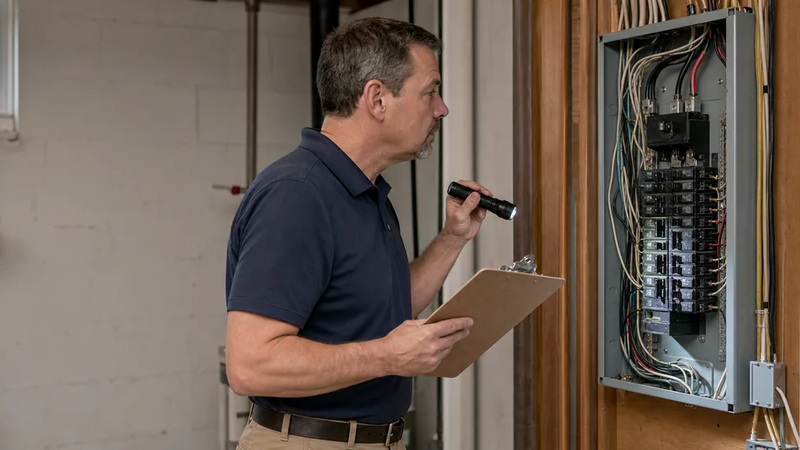
The International Association of Certified Home Inspectors’ standard defines a home inspection as a non-invasive visual examination of accessible residential areas. It says the inspection reflects observations made on its date, not a prediction of future conditions, and will not reveal every issue that exists or could exist.
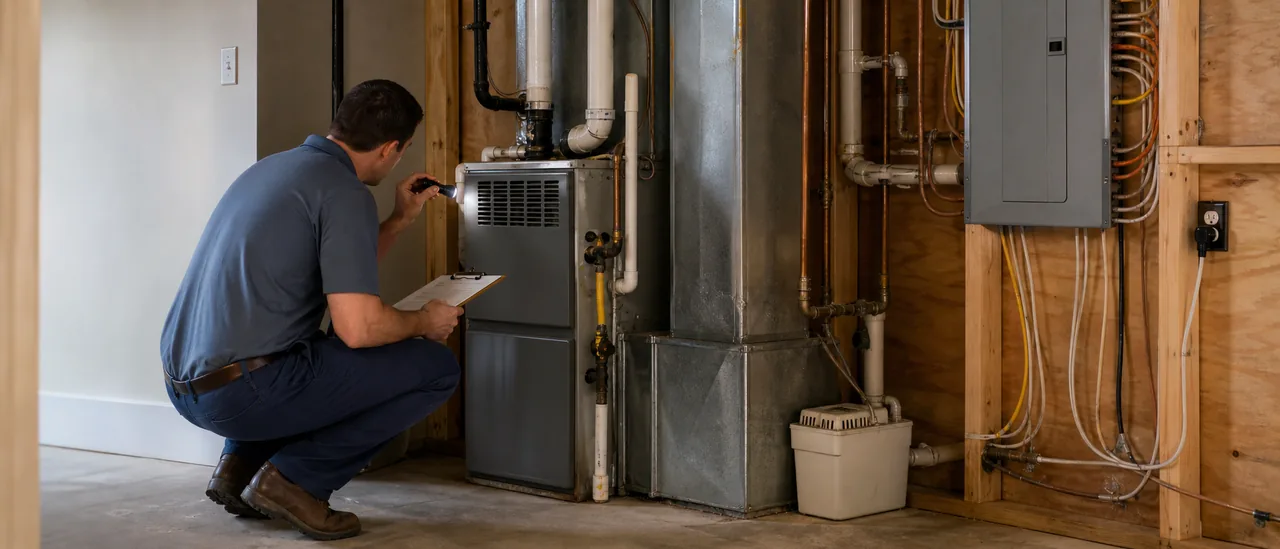
That distinction is central. An inspector can describe what is present, accessible, and behaving abnormally under the inspection conditions. The inspector cannot watch a furnace through another winter, see inside every wall, or know when an aging part will finally give up.
“Inspected” does not mean “guaranteed”
A report records observations, limitations, and recommendations. InterNACHI’s standard does not require an inspector to offer warranties or guarantees, determine service-life expectancy, or determine future conditions.
What a visual inspection can establish
A typical inspection can identify visible defects, unsafe conditions, improper operation under normal controls, and systems needing further evaluation. A useful report also makes access limits and uninspected areas clear.
What can be confirmed depends on access and conditions that day. Furniture, stored belongings, insulation, finished surfaces, snow, shut-down equipment, and unsafe areas can prevent observation or operation. InterNACHI’s standard does not require determining the condition of inaccessible components or operating systems that are shut down or unresponsive to normal controls.
State rules and the inspection agreement may set a different minimum scope. North Carolina’s licensing standard, for example, requires inspection of readily visible and accessible installed systems, calls the inspection not technically exhaustive, and says inspectors need not offer warranties or guarantees. This state example is not a nationwide rule; it shows why the applicable standard and contract matter.
Why something may break afterward
Some failures develop without an observable warning. Others begin in concealed areas or appear only under loads, weather, or operating cycles that were absent during the inspection. A standard visual inspection is also different from destructive testing, engineering analysis, or a specialized diagnostic examination.
An inspection can still reduce uncertainty by documenting material observations and directing attention to specific concerns. It just cannot eliminate uncertainty.
Practical bottom line
Read the report’s scope, exclusions, inaccessible areas, and recommendations—not only its summary. Ask what was not operated or observed and why. If the report recommends specialist evaluation, or if a system behaves differently before closing, arrange the relevant qualified evaluation before relying on its condition.
Normal operation on inspection day is useful evidence. It is not a promise about tomorrow.