On this page
Yes—with an important distinction
Yes, a new roof should receive regular inspections, but “annual” is a practical maintenance interval, not a universal legal rule. The appropriate schedule also depends on the roof system, its maintenance instructions, local conditions, and severe-weather exposure.
New materials do not make a roof immune to installation problems, displaced components, clogged drainage, or damage from later weather. NC State Extension includes roof and gutter care in regular home maintenance and recommends a thorough house-and-yard inspection at least every six months. An annual roof review is therefore a reasonable minimum, not an excessive step for a new roof.
What a routine check should cover
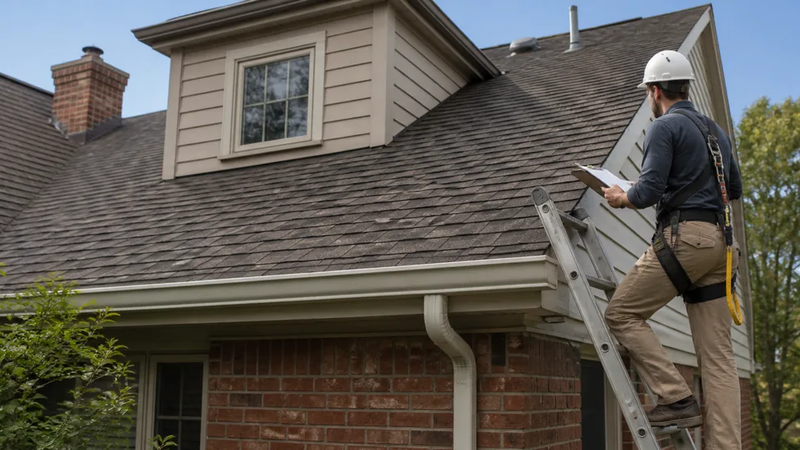
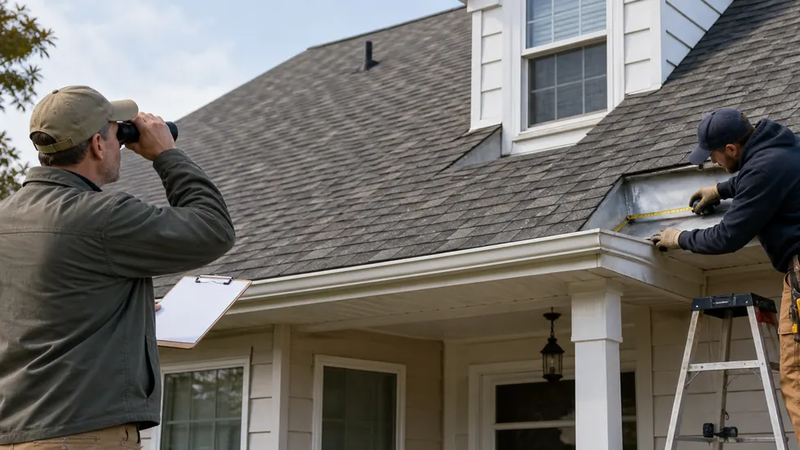
A maintenance check looks for changes that can be observed without destructive testing. The inspection record should note deterioration, missing or displaced covering components, and debris at valleys, gutters, or drains.
A practical review can document:
- roof-covering condition and any missing, cracked, curled, or displaced pieces;
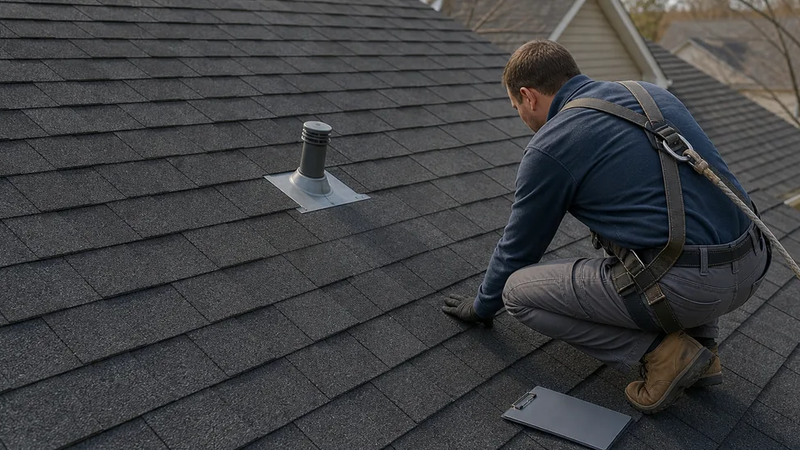
- visible flashing, vents, skylights, chimneys, and other penetrations;
- gutters, downspouts, valleys, and roof drains where debris can impede drainage; and
- accessible attic or interior indications of active moisture, where included in the scope.
Keep dated reports and photographs so later checks can identify change rather than relying on memory.
An inspection is not a roof certification
A visual inspection describes accessible conditions on that date. It does not guarantee future performance, expose concealed defects, confirm every fastener, or prove that all installation details are correct.
When the schedule should change
Do not wait for the calendar after hail, high winds, prolonged rain, falling debris, or another severe event. Louisiana’s Department of Insurance advises walking around the home's perimeter to note visible storm damage to the roof. A prompt review is also reasonable after rooftop work or when a leak, loose material, blocked drainage, or an unexplained interior stain appears.
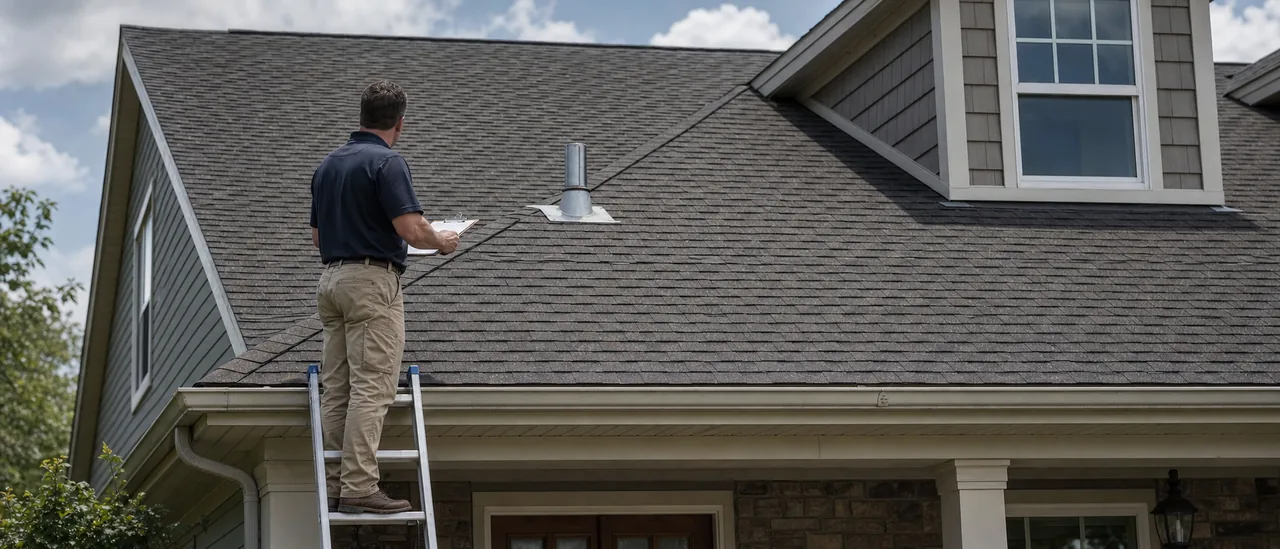
Scope matters as much as frequency. InterNACHI’s residential inspection standard defines a home inspection as a non-invasive visual examination of accessible areas. The standard does not require water testing, confirming fastening, or certifying the roof.
Practical bottom line
Plan at least one documented roof review each year. Add event-driven checks after severe weather or when symptoms appear. Review the applicable maintenance instructions and warranty terms because they may set a specific cadence or documentation requirement.
Homeowners should not walk a steep, wet, fragile, or otherwise unsafe roof. When access is unsafe, visible conditions are unclear, or the inspection finds a concern, a qualified roof evaluator can define the appropriate scope.