On this page
No, walking the roof is not always required
No. The inspection standard, agreed scope, visibility, access, weather, roof slope, surface condition, and risk of damaging the covering determine whether an inspector should walk on it.
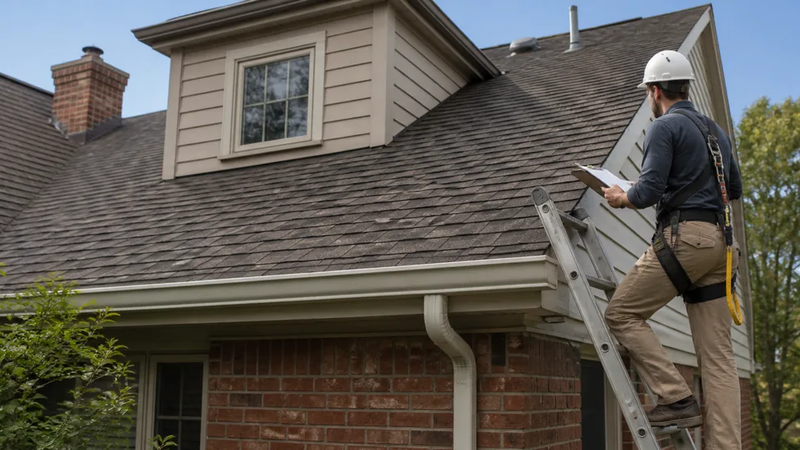
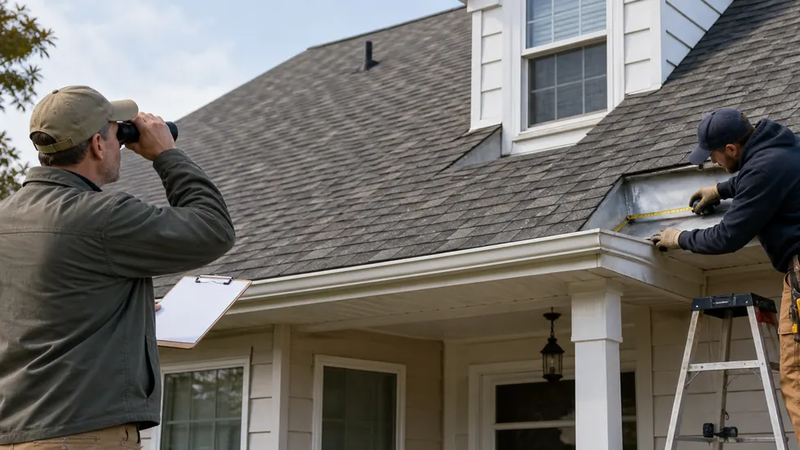
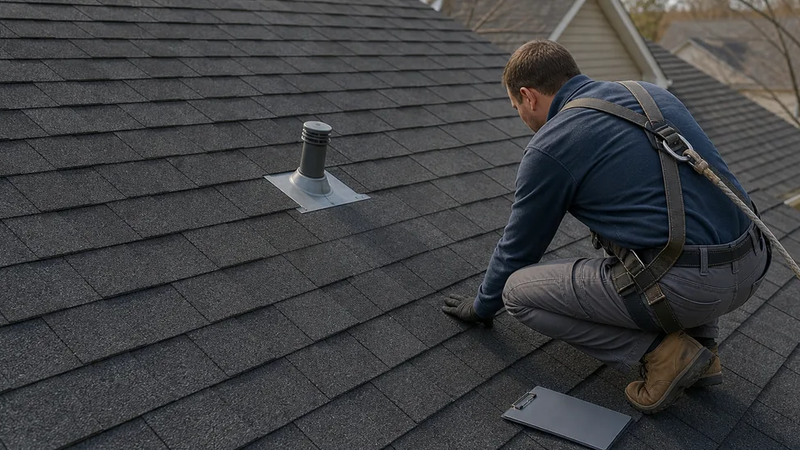
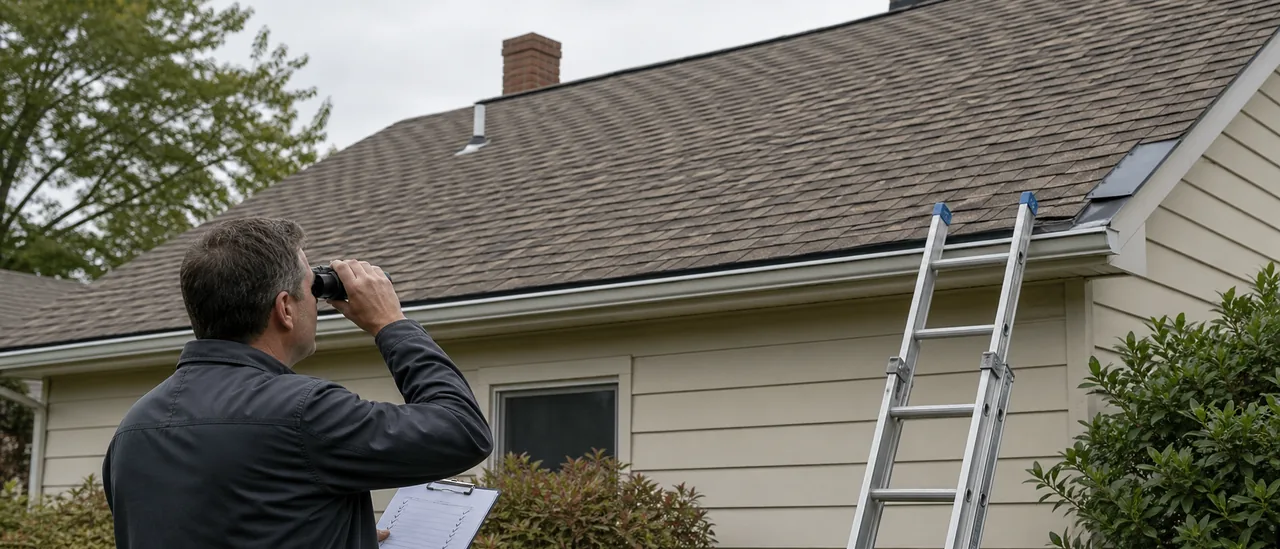
Walking can provide a closer view of shingles, seams, flashing, drainage details, and penetrations. It is a method, however—not the definition of a valid inspection. InterNACHI’s home-inspection standard directs inspectors to inspect specified roof components from ground level or the eaves and expressly says they are not required to walk any roof surface.
ASHI’s current standard takes a different approach. It requires inspection of roofing materials, drainage systems, flashing, skylights, chimneys, and penetrations, plus disclosure of the method used. An ASHI interpretation says walking is required only when the roof is readily accessible and walking is the sole way to inspect all required exterior surfaces. It is not required when those surfaces can be viewed otherwise or when the roof is too high, steep, slippery, or fragile.
Conditions that can rule out walking
An inspector may stay off a roof when access or footing is unsafe, when snow or debris blocks the surface, or when walking could harm a fragile covering. InterNACHI’s standard specifically allows an inspector to avoid unsafe areas and surfaces that might be damaged.
Common inspection positions include the ground, windows, the eaves from a ladder, and accessible attic areas. Which combination is appropriate depends on the governing standard and the property—not on a universal rule that every inspector must climb onto every roof.
The report should explain the viewing limits
A reader should be able to tell how the roof was inspected, which required areas were not visible, and why. Under ASHI’s standard, present but uninspected components must be identified with the reason they were not inspected.
What a visual inspection can establish
A visual inspection can document observable conditions such as displaced or deteriorated covering, visible flashing details, drainage problems, damaged penetrations, or indications of leakage. The confidence of each finding depends on the view obtained; a distant observation may reveal broad conditions but miss small defects.
Walking does not make an inspection technically exhaustive. ASHI’s standard excludes concealed conditions, latent defects, inaccessible components, and determining the cause of every deficiency. InterNACHI likewise states that its standard does not require confirming proper fastening or installation of roof coverings.
Practical bottom line
Judge the inspection by its stated scope, method, visibility, and documented limitations—not simply by whether footprints reached the ridge. If an important area could not be observed or a visible condition needs closer diagnosis, further evaluation by a qualified roof professional may be appropriate.