On this page
Start with access and a clear view
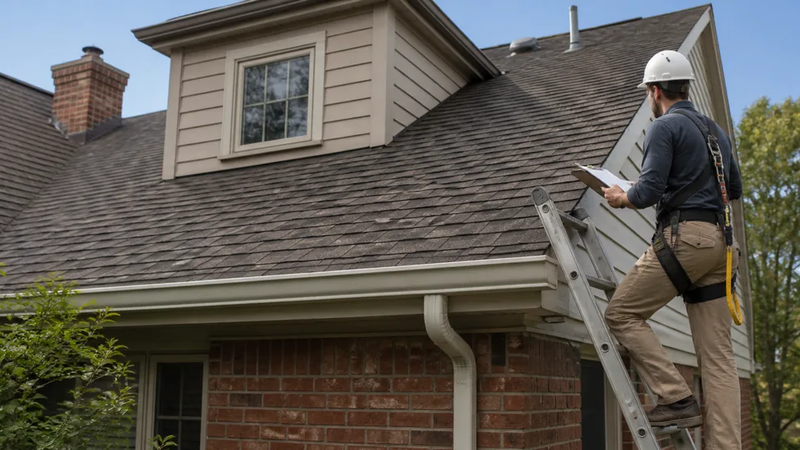
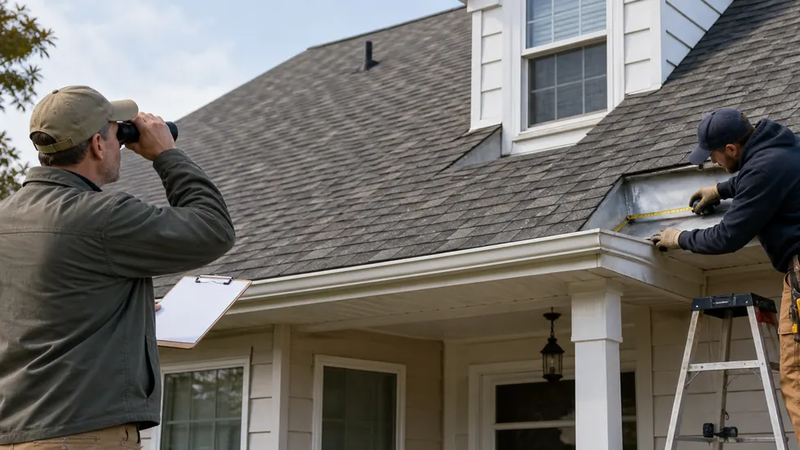
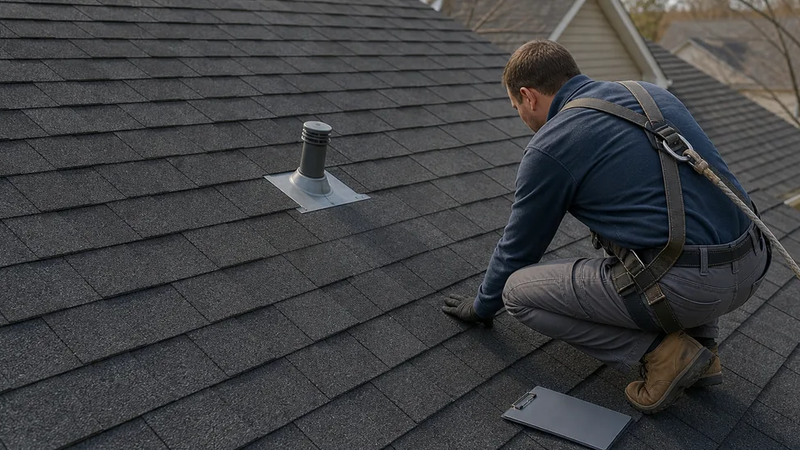
Inspectors first choose the safest useful vantage point, then photograph the chimney top. A ground view with binoculars or a camera may be enough for obvious defects. A safe roof-level view reveals smaller gaps and surface changes.
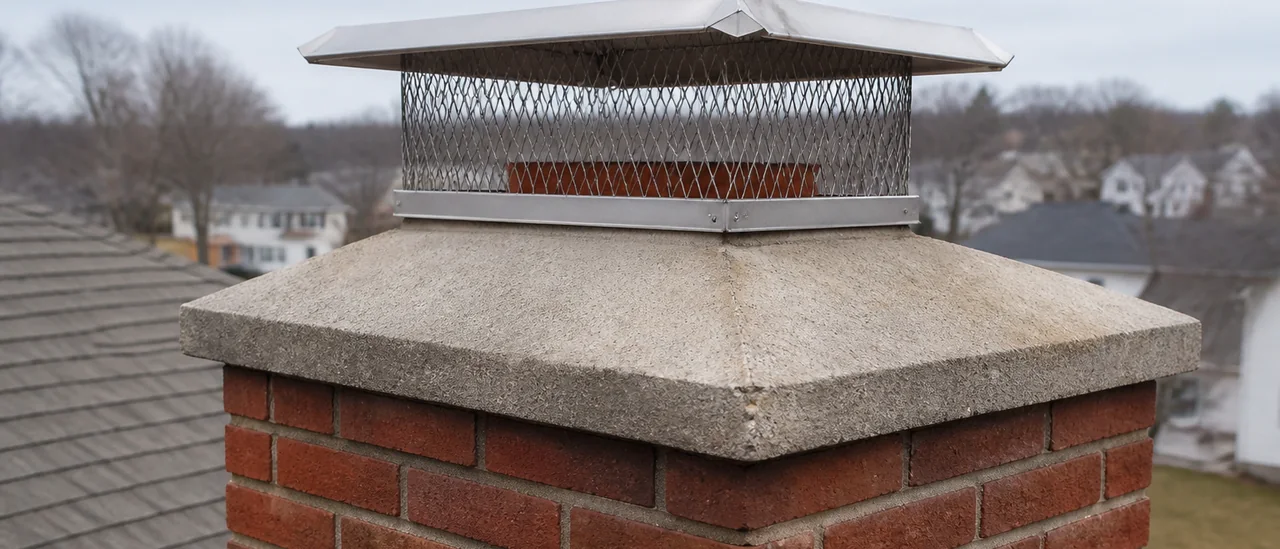
The terms can overlap. In common field usage, the crown is the sloped masonry or concrete surface covering the chimney top, while the cap is the metal rain cover above a flue. Some codes and reports also call the masonry top a chimney cap, so the report should identify the actual component.
Examine each component in order
The inspector usually traces a short visual checklist:
- Rain cap or hood: Confirm that it is present, seated squarely, and visibly secured. Look for corrosion, bent or missing parts, open seams, and a screen blocked by debris.
- Crown or masonry cap: View the whole surface for cracks, spalling, loose material, staining, or low areas that appear to hold water. Check whether the surface slopes away from the flue.
- Edges and flue penetrations: Look for a projecting edge or drip detail, separation around flue liners, and failed or missing sealant where it is visible.
- Nearby masonry and flashing: Note loose mortar, displaced brick, moisture staining, and defects where the chimney meets the roof. These findings provide context but are separate from the cap and crown.
This sequence keeps observation separate from a code determination. For example, Scott County’s 2024 code guidance says a masonry chimney cap should be concrete, metal, or stone and sloped to shed water. The inspector records visible conditions, while the governing local requirements and chimney type still control.
A closer view is not worth an unsafe climb
A steep, wet, icy, fragile, or unusually high roof can limit access. The inspector should use a safer vantage point, state how the roof was viewed, and document what remained unseen.
Know what a visual inspection cannot prove
A normal home inspection covers readily accessible, visually observable components. ASHI’s standard includes chimneys and roof penetrations, but defines “readily accessible” to exclude destructive measures and actions likely to risk people or property.
Accordingly, surface observations cannot confirm hidden reinforcement, the underside of a crown, concealed moisture paths, or the strength of fasteners. They also cannot establish that a flue interior is sound. ASHI excludes chimney, flue, and vent interiors that are not readily accessible, while CSIA’s chimney-specific guidance treats internal video scanning as additional work rather than a mandatory part of a basic Level 1 inspection.
When a closer chimney evaluation is needed
Recommend a qualified chimney professional when the view is incomplete or the inspector finds a loose cap, substantial corrosion, wide or displaced cracks, extensive spalling, movement, or signs of water entry. A chimney-specific evaluation can use closer access or internal imaging to determine whether the visible symptom continues into concealed areas.