On this page
Extend the rails at least three feet
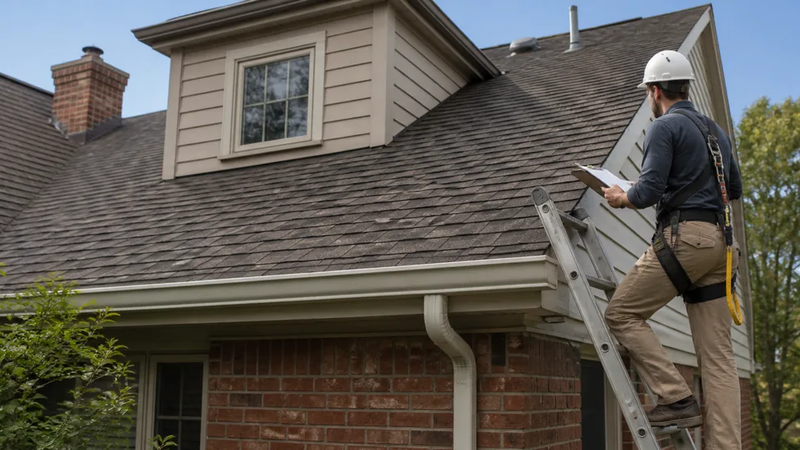
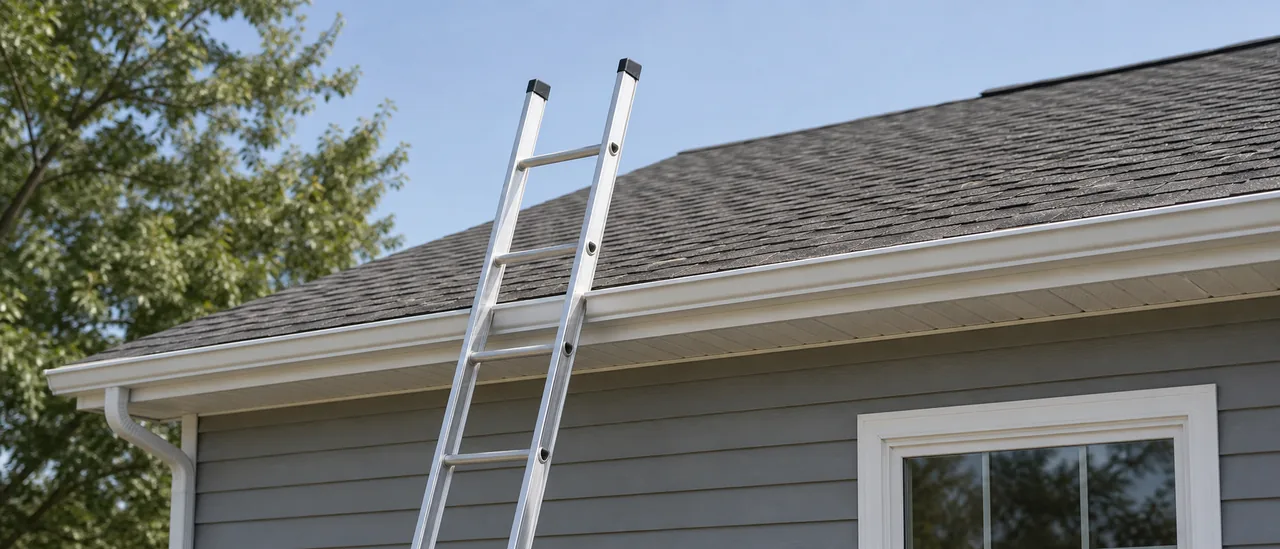
A portable ladder used to step onto a roof should extend at least 3 feet (0.9 meters) above the upper landing surface. Measure vertically from the roof surface at the access point to the tops of both side rails—not from the ground or by counting rungs.
The “roof edge” in this question means the landing level where the climber transitions between the ladder and roof. A gutter below that level is not the landing surface. This distinction matters because the projecting rails provide something to grasp during the transition.
OSHA uses the same three-foot minimum for portable ladders in construction and general-industry workplaces. It is a minimum extension, but more exposed rail is not automatically safer. The ladder still needs enough supported working length and must not deflect in a way that could make it slip.
Three feet does not make an unsafe setup safe
Do not add height by setting the ladder on boxes or another unstable base. Both rails need proper upper support, and the feet need a stable, level surface or approved stabilization against displacement.
Understand the limited alternative
OSHA’s construction rule recognizes one alternative when the ladder cannot project three feet because it is too short. The ladder must be secured at the top to a rigid support that will not deflect, and a grasping device such as a grabrail must assist the transition.
That provision is not permission to improvise extra length or accept an unstable ladder. If the available ladder cannot meet the normal extension and the specified alternative cannot be provided, use a correctly sized access method instead.
The three-foot answer applies to portable ladders used to reach an upper landing. It does not replace the ladder maker’s instructions, an employer’s safety plan, or more protective site requirements. It also should not be transferred to fixed ladders: OSHA generally requires the side rails of through or side-step fixed ladders to extend at least 42 inches above the access level or landing platform.
Check the complete access setup
Before climbing, confirm these connected conditions:
- the three-foot distance is measured from the actual landing surface;
- both rails have sound, equal support at the top;
- the base is stable, level, and protected from displacement; and
- the ladder is long enough to meet its instructions without makeshift elevation or added sections.
For a non-self-supporting ladder in construction, OSHA also specifies an approximate 1-to-4 setup angle: the foot sits out about one-quarter of the ladder’s working length. That angle does not change the three-foot vertical extension above the landing.
If the rails do not reach three feet above the roof landing, do not climb until a correctly sized ladder is properly positioned or the applicable OSHA-approved securing-and-grabrail alternative is in place.