On this page
The typical time
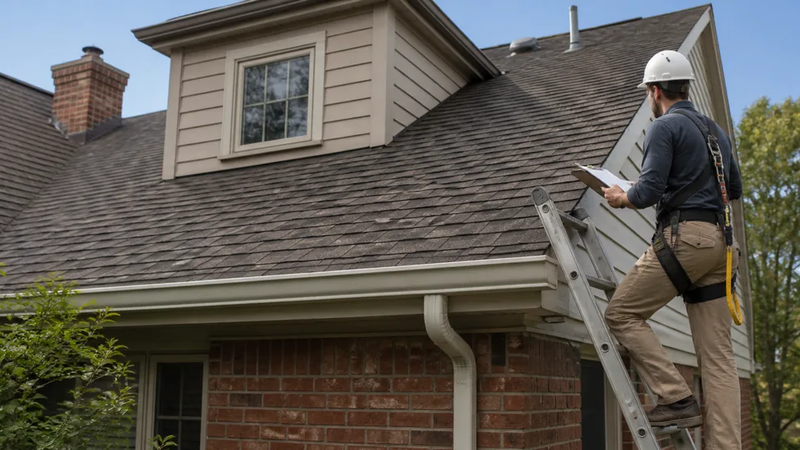
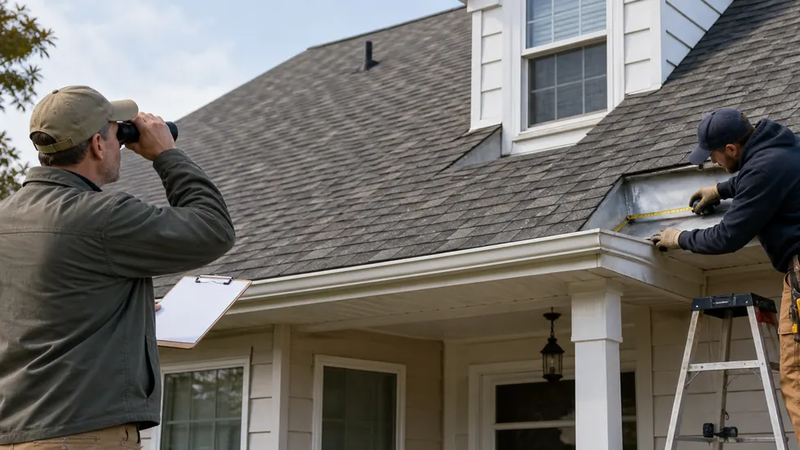
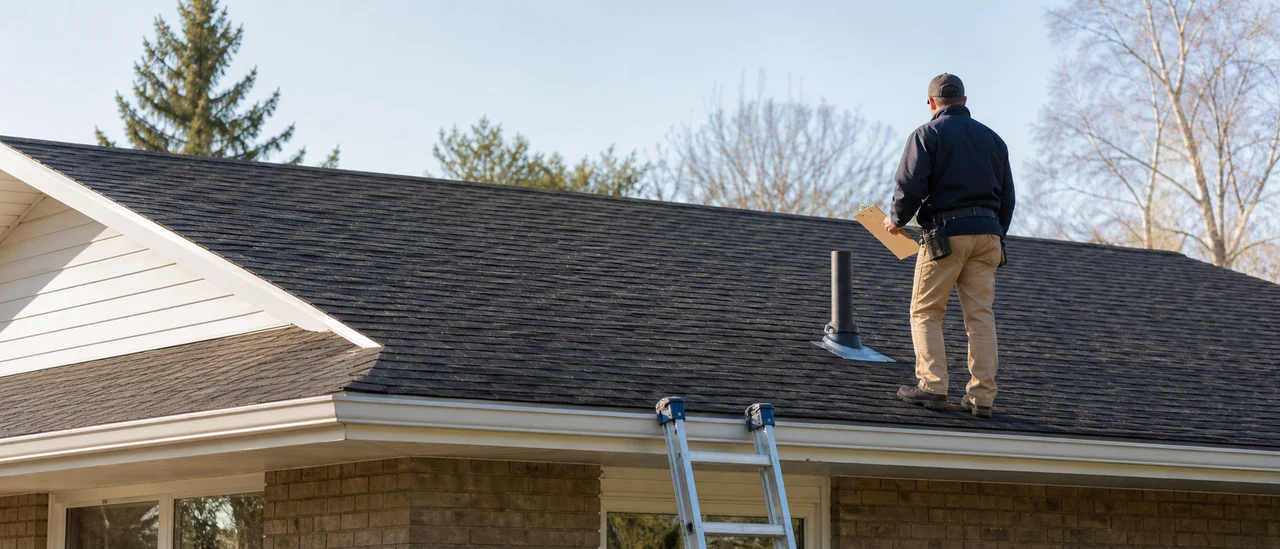
Plan on about 45 minutes to two hours on site for a professional inspection of a typical residential roof. That is a practical range, not an inspection standard or a guarantee. A simple, accessible roof may take less time; a large, steep, complex, or partly concealed system may take longer.
The written report may arrive after the site visit. When scheduling, ask whether the estimate includes attic access, photographs, moisture testing, a findings discussion, and report preparation.
Can a roof inspection be done in one hour?
Yes. One hour can be reasonable for an uncomplicated residential roof with safe access. The clock alone does not prove thoroughness; the agreed scope and documented observations matter more.
Why the range varies
Cert-A-Roof, a roof-inspection company, states that its comprehensive residential inspections typically take 45 minutes to two hours, depending on roof size, pitch, and complexity. That provider estimate is useful for planning, but no single duration applies to every inspector or property.
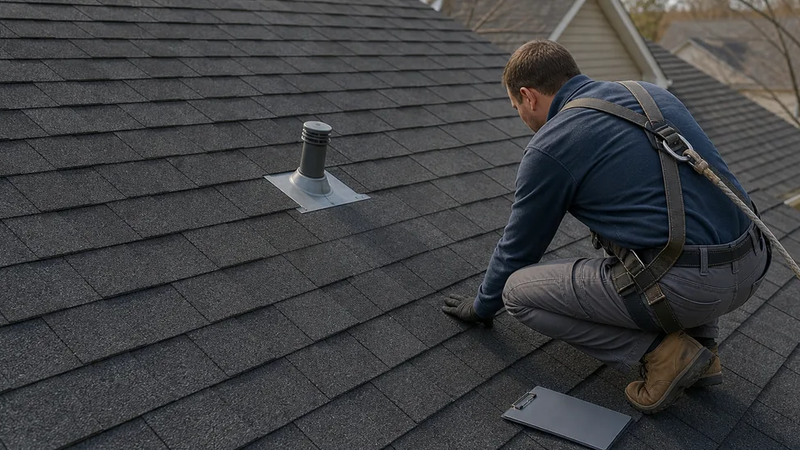
The National Roofing Contractors Association describes preventive maintenance inspection as a thorough visual review of the roof system and adjoining surfaces, with abnormalities and deterioration noted. InterNACHI’s home-inspection standard lists roof coverings, gutters, downspouts, vents, flashing, skylights, chimneys, penetrations, and accessible roof structure within the roof portion of an inspection. More roof planes and features mean more areas to observe and document.
Common time variables include:
- total roof area, number of levels, and roof geometry;
- slope, surface condition, weather, and safe access;
- roofing material and the number of penetrations or drainage points;
- accessible attic or interior areas included in the scope; and
- extra documentation or diagnostic methods agreed to in advance.
What a visual inspection can confirm
A visual inspection can record the condition of accessible surfaces and components at that moment. It may identify missing materials, visible deterioration, drainage concerns, or observed signs of an active leak.
It cannot reveal every concealed defect or guarantee future performance. InterNACHI’s standard does not require an inspector to walk every roof, remove snow or debris, perform a water test, predict service life, warrant the roof, or confirm fastening and installation. Unsafe access or blocked surfaces can therefore shorten the visit while also limiting the conclusions.
Practical bottom line
Use 45 minutes to two hours as a planning window for a typical home, then confirm the scope. Ask how the roof will be viewed, which interior areas are included, what conditions could limit access, and when the report will be delivered. Those answers are more meaningful than a promise to finish within exactly one hour.