On this page
Current pre-listing inspection cost
Based on a January 2025 national cost guide, a reasonable planning range for a standard pre-listing home inspection is about $300 to $500, with a reported $400 average. A smaller, straightforward home may fall near $300, while a larger, older, or harder-to-access property may exceed $500. Home size, location, and the inspection’s scope usually move the price most.
A pre-listing inspection is a home inspection ordered by the seller before marketing the property. The timing changes who hires the inspector, but not necessarily the standard inspection scope. The published range is a budgeting reference rather than a July 2026 quote; local prices can differ materially.
| Planning scenario | Approximate base cost | Typical assumptions |
|---|---|---|
| Low | About $300 | Smaller home, ordinary access, standard scope |
| Typical | $350–$425 | Average-sized single-family home, no added tests |
| High | $500+ | Larger or older home, difficult access, expanded scope |
These figures cover the inspection fee, not repairs. They also do not automatically include radon, mold, sewer, septic, pool, chimney, pest, or other specialized evaluations.
What the base price generally includes
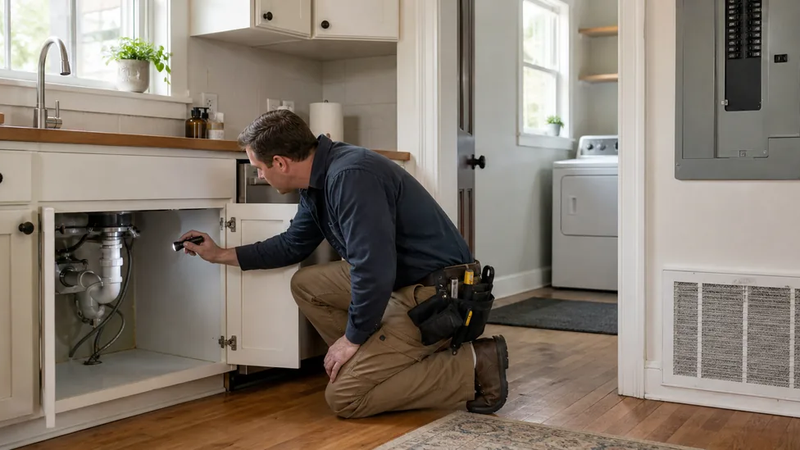
A standard inspection is a visual examination of readily accessible, installed systems and components. Under the American Society of Home Inspectors’ current Standard of Practice, the written report identifies relevant deficiencies and components that were not inspected, including the reason.
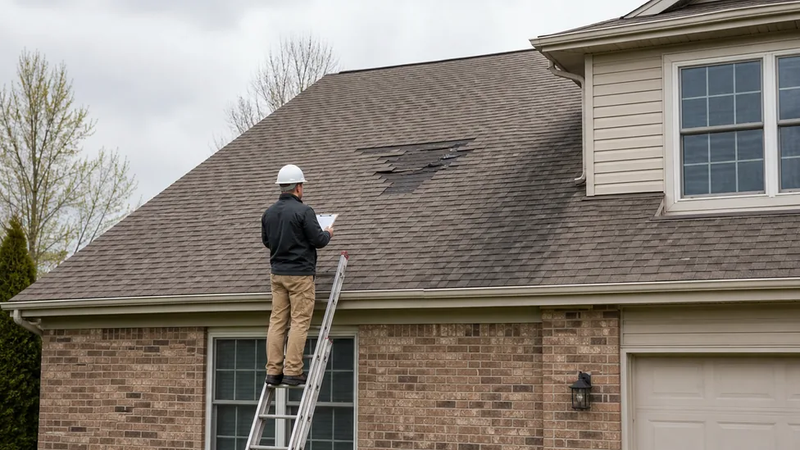
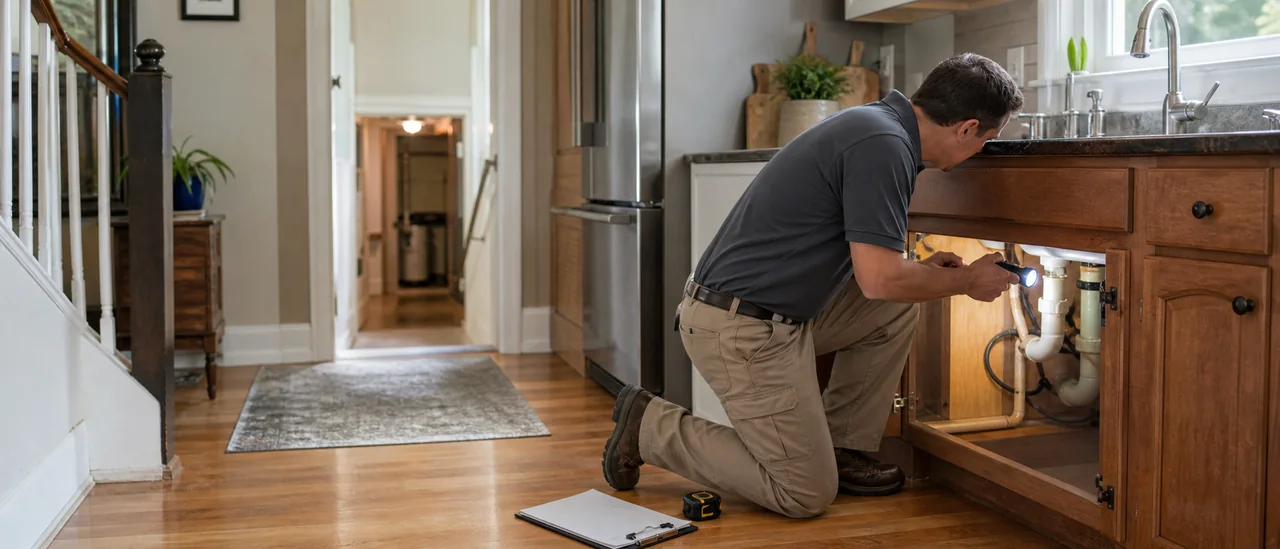
Typical coverage includes accessible heating and cooling systems, interior plumbing and electrical systems, the roof and attic, visible insulation, interior surfaces and openings, the foundation, basement, and structural components. The exact contract controls. State rules may impose different requirements, and an inspector may offer services beyond a minimum standard.
The written report is normally part of the quoted fee. Before comparing prices, confirm whether the quote includes travel, detached structures, older-home surcharges, return visits, and any tests or ancillary services.
A home inspection is not a repair estimate
ASHI’s standard does not require an inspector to determine repair methods, materials, or costs. If a report identifies a concern, pricing the correction is a separate task.
Why one property costs more than another
Square footage is a common pricing factor because more rooms and systems take longer to examine. Ask how the inspector prices the property rather than assuming every company uses the same size thresholds.
Age and complexity matter too. Multiple HVAC systems, additions, crawlspaces, extensive outbuildings, or unfamiliar construction can add time. Occupied homes may have blocked panels, stored belongings, or other access limits that prevent inspection rather than merely increasing the fee.
Geography can change both labor costs and the services commonly requested. Travel distance, local licensing rules, and demand can also affect a quote, so a national range cannot predict a particular market.
Added services can move the total well beyond the base inspection. Ask for each add-on as a separate line item and verify what sampling, laboratory work, or specialist credentials it includes.
When to obtain specialist estimates
A general inspection cannot determine the condition of systems and components that are not readily accessible. It also does not establish a property’s market value or verify local code compliance.
If the report recommends further evaluation, obtain the relevant licensed contractor, engineer, environmental professional, or system specialist’s written scope and estimate. Before using or sharing a pre-listing report, have the inspection agreement, report, and required seller-disclosure documents reviewed for the property’s jurisdiction.