On this page
A practical 2026 planning range
For 2026 budgeting, published municipal examples range from $2,500–$4,000 for an average exterior sewer-lateral repair to $8,000–$15,000 for lateral replacement. These figures are not cast-iron-specific prices, however, and they should not be applied automatically to an interior stack or an under-slab building drain. Location, repair length and access usually change the estimate most.
Use the table as local planning benchmarks, not a national cast-iron price list. Each program covers private sewer laterals and publishes no separate cast-iron figure.
| Local benchmark | Published range | Scope and limitation |
|---|---|---|
| Lower | $2,500–$4,000 | Lake Saint Louis average lateral repair; not material-specific |
| Middle | $3,500–$7,000+ | Pinellas County cured-in-place lateral lining |
| Higher | $5,000–$10,000+ | Pinellas County lateral replacement |
| Higher local example | $8,000–$15,000 | Glen Cove lateral replacement |
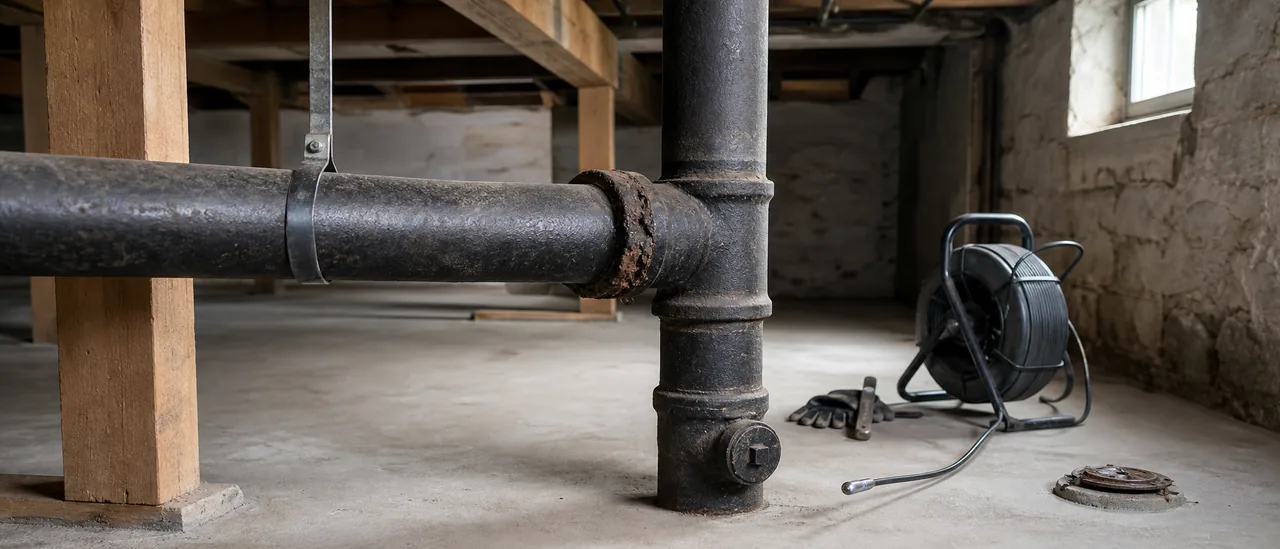
Interior cast-iron work can be a very different job. Replacing an exposed section, opening walls around a vertical stack, and cutting a slab to reach a buried drain involve different labor and restoration. Without the location, footage and repair method, one total would imply more precision than the evidence supports.
What the estimate should include
“Fix” can mean a spot repair, lining an existing pipe, or removing and replacing a run. An itemized estimate should name the method, measured footage, pipe diameter, access points, and material used for the finished repair.
It should also state whether the price includes camera inspection, drain cleaning, permits, excavation, concrete cutting, debris disposal, backfill, testing, and finish restoration. Pinellas County lists depth, lateral length, and surface restoration as replacement-cost drivers. Those details help reveal whether two totals actually cover the same job.
Interior drain and sewer lateral are different scopes
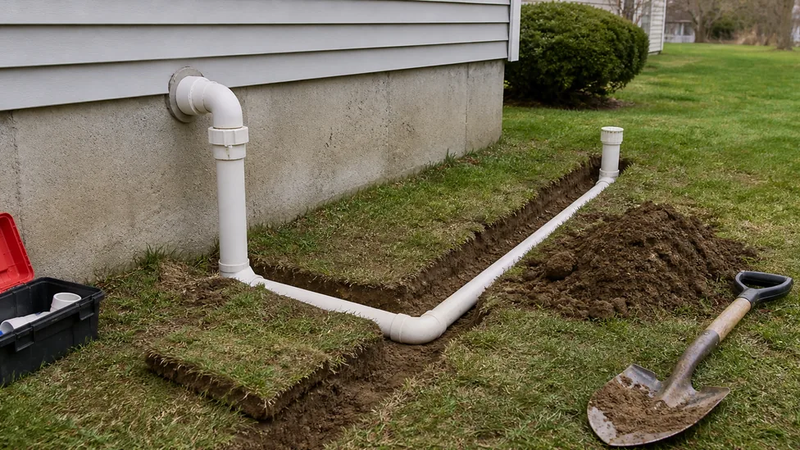
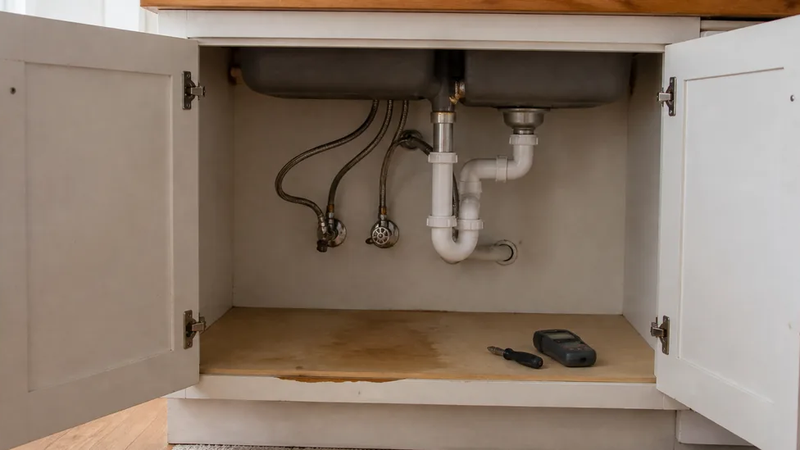
Interior drain, waste, and vent piping serves fixtures inside the building. The exterior lateral—called the “building sewer” in plumbing codes—runs from near the foundation toward the public sewer or septic system. Confirm which portion each estimate covers.
What changes the price most
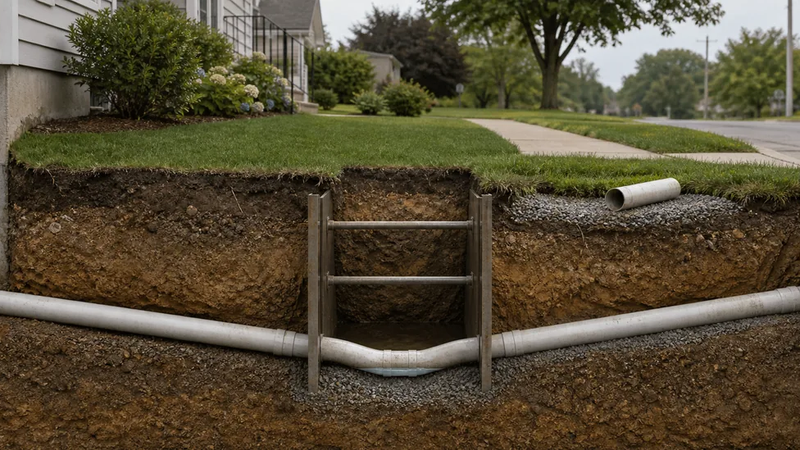
Access comes first. Exposed pipe is easier to reach than pipe behind walls, below finished floors, under a slab, or several feet underground. Excavation beneath paving or mature landscaping also adds restoration work.
Repair method comes next. A localized defect may permit a spot repair. Cured-in-place lining rehabilitates a suitable existing run without conventional full-length excavation, but the pipe must be evaluated for whether that method fits. Collapsed, badly misaligned, or inaccessible sections may require replacement instead.
Property and regional conditions complete the picture. Pipe length and diameter affect materials and labor. Soil, depth, utility conflicts, disposal rules, permits, wage rates, and the surfaces above the pipe vary by location. Municipal figures are therefore useful benchmarks, not substitutes for local bids.
When to obtain specialist estimates
First identify the priced section and the observed defect. InterNACHI defines a sewer scope as a video inspection of the lateral from near the foundation to the municipal tap or septic tank. Its standard excludes underfloor and in-house drain portions, so a lateral scope alone may not document all cast iron inside the building.
When the pipe is buried or the proposed scope is extensive, obtain a recorded camera inspection and written findings from a qualified plumbing or sewer specialist. Then compare itemized estimates built around the same footage, method, access, restoration, permit allowance, and exclusions. That comparison is far more useful than comparing totals for different jobs.