On this page
A cosmetic drywall crack usually costs $60 to $400 to repair
As of July 2026, professional repair of a cosmetic drywall crack generally runs $60 to $400. That range covers a hairline crack through a larger crack or damaged corner, but not correction of a leak, framing movement, or foundation problem. Crack length and location, the finish-matching work, and a contractor's minimum charge usually move the price most.
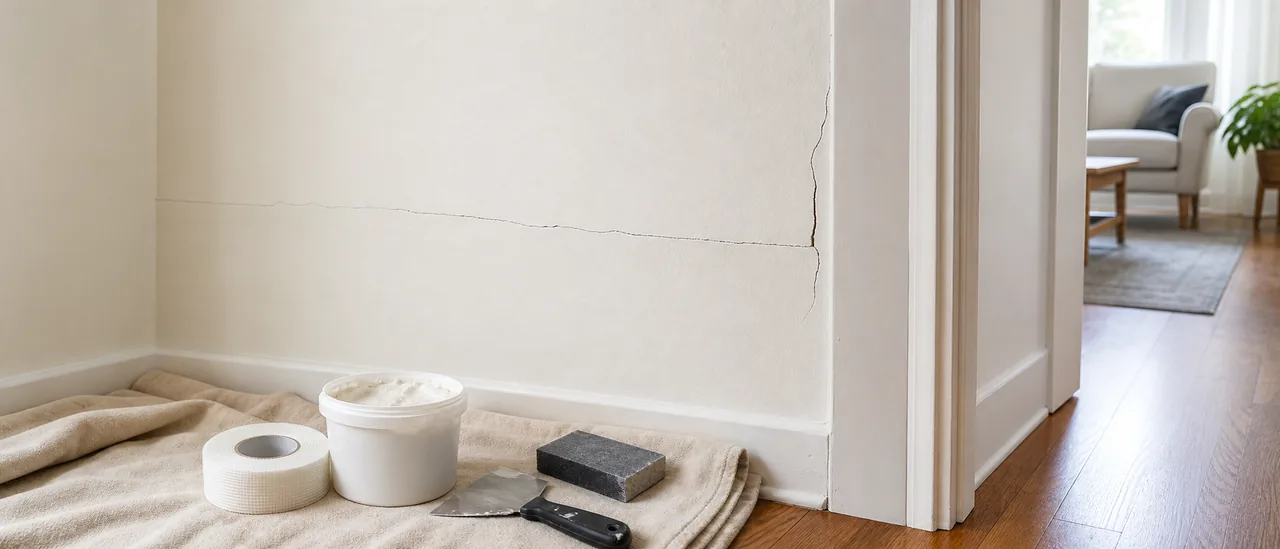
Here, “cracked drywall” means a split in the gypsum-board surface or its finished joint. Plaster cracks, wet drywall, and cracks caused by movement in the structure require different scopes and can cost substantially more.
| Scenario | Planning range | What it generally represents |
|---|---|---|
| Low | $10–$55 DIY | One stable, fine crack; basic supplies and touch-up paint |
| Typical | $60–$400 professional | One cosmetic wall crack, from hairline to a larger crack or corner repair |
| High | $200–$550 professional | Multiple cracks in one room, broad finish blending, or added access time |
These are national planning figures, not a quote. One 2025 cost guide places multiple holes and cracks in a room at $200 to $550, while a 2026 survey places individual drywall cracks at $60 to $400. Local labor rates, travel minimums, and the home's exact finish can shift either range.
What the price normally includes
A straightforward professional repair usually includes opening or cleaning the crack, securing loose material, applying tape when needed, adding joint compound in thin coats, sanding, and preparing the area for paint. Small estimates may include touch-up paint; others stop at a paint-ready surface.
Ask whether the quote includes protecting the room, matching texture, priming, painting the entire wall, and cleanup. Those details matter because a sound patch can still remain visible when sheen, color, or texture does not blend. Multiple drying coats may also require return visits even when the crack itself is short.
Surface repair is not cause repair
A drywall estimate may cover only the visible finish. If moisture or building movement caused the crack, correcting that condition is a separate scope and cost.
The main cost drivers
The repair method matters more than crack length alone. A fine, stable surface crack may need limited filling and finishing. A failed taped seam, damaged corner bead, loose panel, or open joint can require removal, reinforcement, and several wider finish coats.
Location also changes labor. Ceiling cracks, stairwells, tall walls, tight corners, and occupied rooms take more setup and protection. Texture matching and full-wall repainting can cost more than the patch, especially when the existing paint is aged or unavailable.
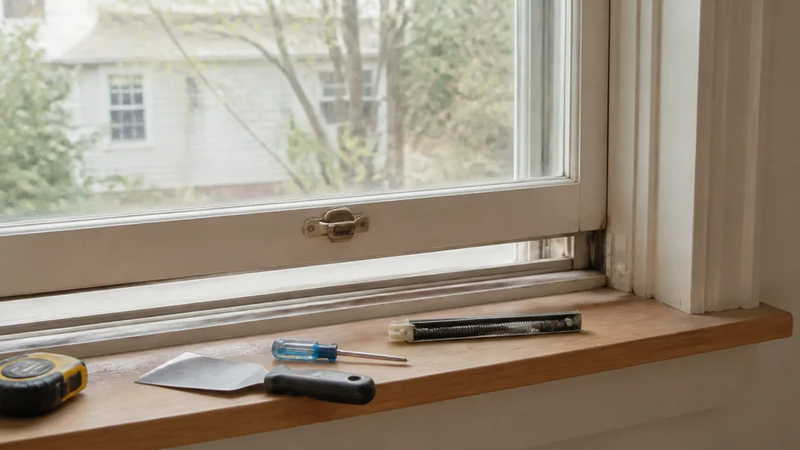
Cracks beside window or door openings can add trim-adjacent edges and corners to the finishing scope. For a ceiling crack below an attic, ask the estimator to separate the overhead surface repair from any attic access or cause evaluation. That distinction keeps a drywall quote from quietly absorbing work beyond the visible patch.
Finally, contractors commonly apply a minimum service charge. Bundling several stable cosmetic cracks into one visit may reduce the per-crack cost, although the total bill rises with the repair area.
When to get a separate evaluation before pricing the patch
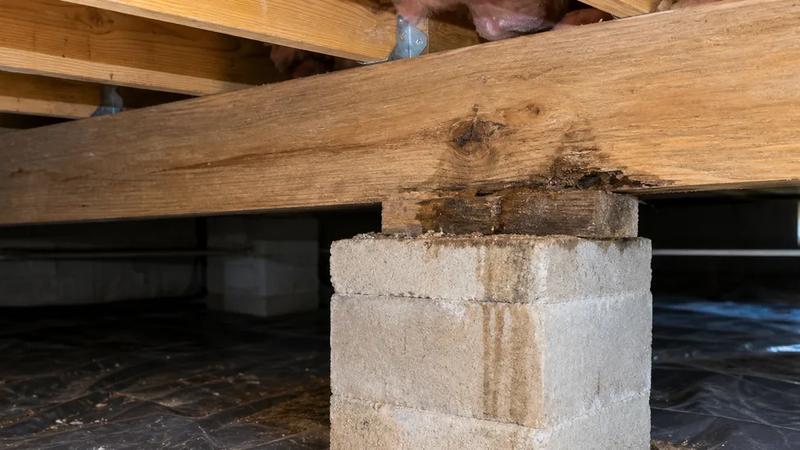
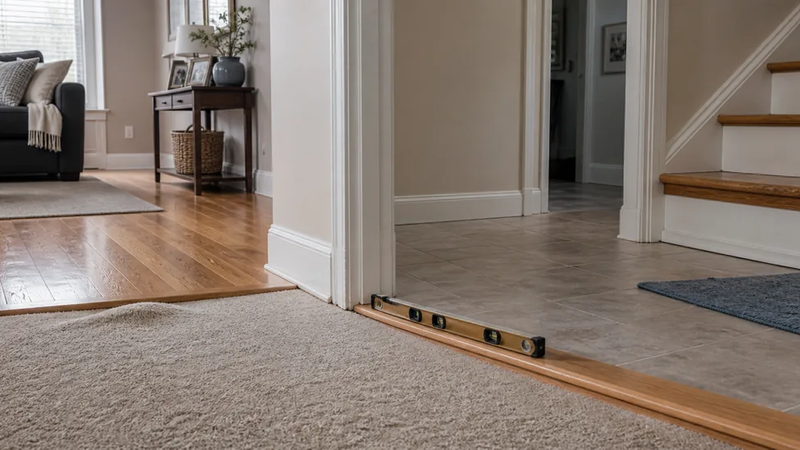
Do not treat the $60-to-$400 range as an all-in budget when a crack is widening, repeatedly returns, feels damp, or appears with visible displacement in nearby finishes. In those cases, first identify whether moisture, framing, or foundation movement is involved. Otherwise, a new surface patch may crack again.
A home inspector can document readily accessible, visible structural components and recommend further evaluation, but a standard inspection does not include engineering analysis or repair pricing. When the suspected cause is structural, a qualified structural professional should define that scope before a drywall contractor prices the finish repair.
For an ordinary stable crack, request a written estimate that separates drywall work, texture, primer, paint, access charges, and any minimum visit fee. That breakdown makes local quotes much easier to compare.