On this page
Typical cost in August 2026
As of August 2026, budget about $300 to $1,800 for professional mobile home belly-wrap repair. That planning range covers anything from patching several tears to replacing a large damaged section. Repair area, insulation condition, and crawlspace access usually change the price most.
A very small, clean patch may cost as little as $50, while posted regional prices reach $600 to $800 for minor or patch work. Large-section repairs run about $1,000 to $1,800. When damage requires full underbelly replacement, regional starting prices and ranges run from roughly $1,200 to $4,500 or more.
These figures combine two contractors’ posted prices in different regions; they are budgeting markers, not a national average. One serves Oregon and Washington, while the other serves central Florida.
What the price covers
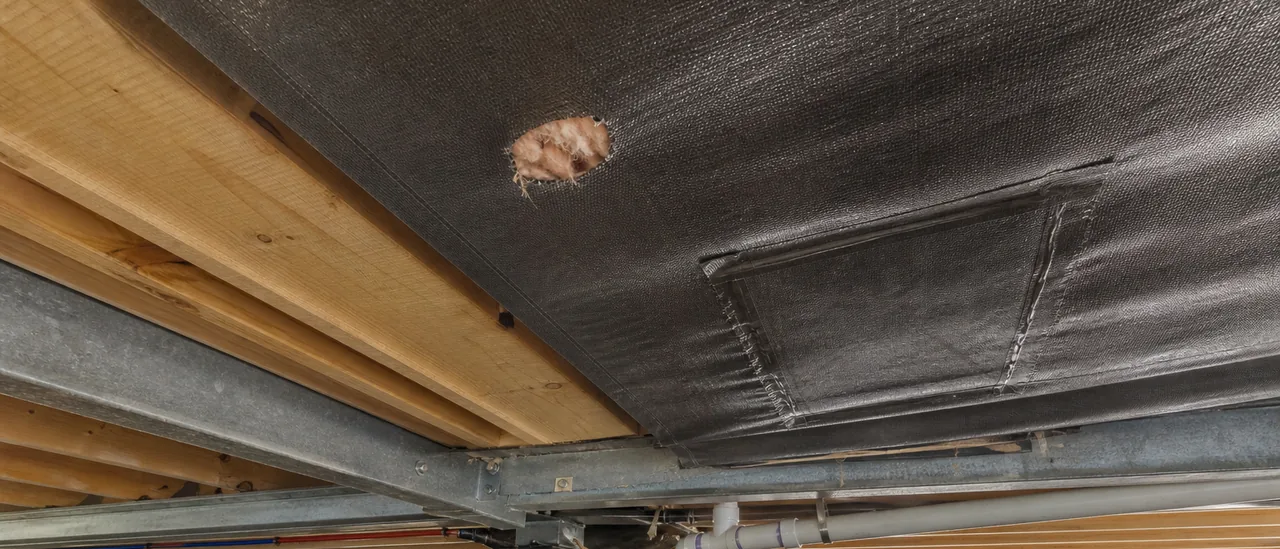
“Belly wrap,” “belly board,” and “bottom board” commonly refer to the protective material attached beneath a manufactured home’s floor system. This guide prices repair of that covering, including minor work needed to close it properly. It does not treat rotted subfloor, damaged joists, plumbing, ducts, pest removal, or widespread insulation replacement as belly-wrap repair.
| Repair scenario | August 2026 planning cost | Typical scope |
|---|---|---|
| Low | $300–$600 | Clean, accessible tears and a limited patch |
| Typical | $600–$1,800 | Multiple tears or a larger section; minor insulation handling |
| High | $1,200–$4,500+ | Full covering replacement, often with wet or missing insulation |
A basic estimate should identify the damaged area, patch or replacement material, fastening and seam sealing, labor, and cleanup. Ask whether it also includes removing contaminated material, replacing fallen insulation, taking down and reinstalling skirting, or documenting the completed work.
Federal manufactured-home installation guidance says missing insulation should be replaced before the bottom board is closed. It also calls for splits and tears to be resealed using the manufacturer’s instructions, with repaired edges sealed. Consequently, a quote for fabric alone may be incomplete when insulation has fallen or become wet.
Why one estimate can be much higher
Damage size and pattern: One accessible slit takes less material and setup than scattered animal damage or a long failed seam. Full replacement shifts the project into a different cost bracket.
Insulation and cleanup: Dry insulation that can be repositioned costs less than soaked, missing, or contaminated material that must be removed and replaced. The U.S. Department of Energy’s job aid directs installers to address plumbing or other problems first and make the bottom board sound enough to support insulation.
Access: Low clearance, mud, utility lines, piers, and skirting slow under-home work. Difficult access can also require more than one trade when a leak, duct defect, or electrical concern is discovered.
Location and minimum charges: Labor rates, travel distances, material availability, and contractor minimums vary. The wide difference between posted regional prices is a reason to compare local written scopes rather than applying one per-square-foot figure everywhere.
When to obtain a specialist estimate
Get an on-site estimate when insulation is hanging, the damaged area extends beyond one visible opening, or water or pests caused the tear. The evaluator should separate belly-wrap work from leak repair, pest cleanup, duct repair, insulation replacement, and structural work.
For comparable estimates, provide the same photos and ask each contractor to state the repair area, material, seam method, insulation allowance, access assumptions, exclusions, and warranty. A manufactured-home specialist or qualified inspector can help define the scope when the source or extent of damage is unclear.