On this page
Typical cost in 2026
As of August 2026, fixing rodent-tunneled attic insulation typically costs $3,200 to $10,800 when the job requires full removal and replacement. That national planning range covers removal of ordinary non-hazardous insulation, disposal, and new insulation. Pest removal, sanitation, and entry-point sealing may be separate.
Attic square footage, the extent of contamination, and access difficulty change the price most. Published estimates place removal and replacement at $2 to $6 per square foot. A 500-square-foot affected section may therefore cost about $1,000 to $3,000, while a 1,500-square-foot scope may run $3,000 to $9,000 before contamination-related extras.
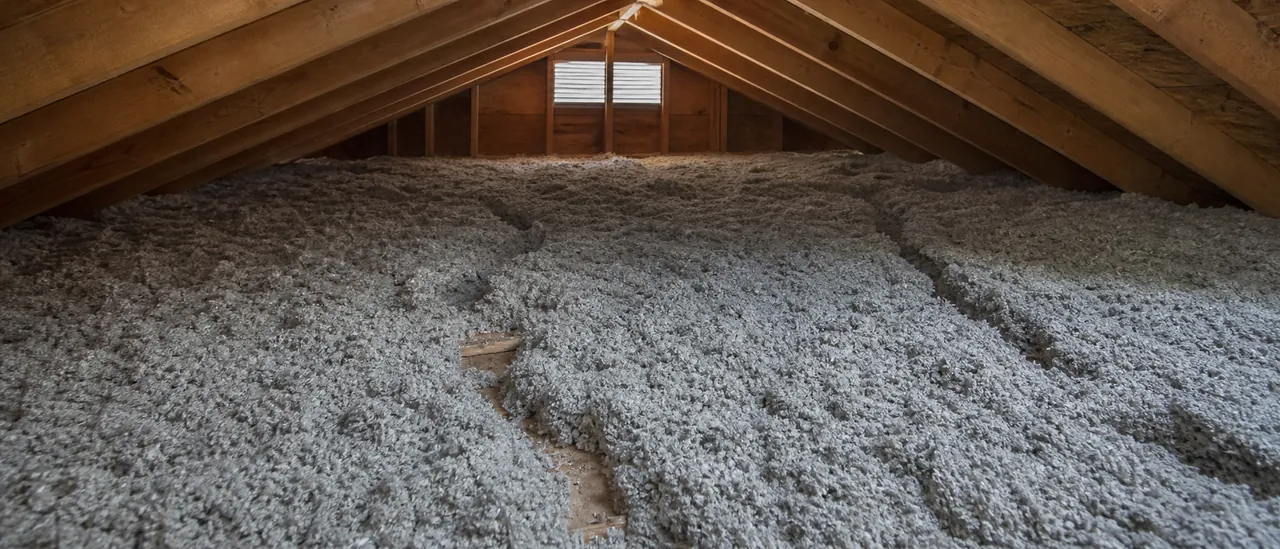
In this guide, “rodent tunnels” means channels or compressed paths through loose-fill or batt insulation. It describes visible disturbance, not a standardized repair category. Tunnels alone do not establish whether rodents remain, whether insulation is contaminated, or whether the whole attic needs replacement.
| Planning scenario | 2026 budget | What the figure assumes |
|---|---|---|
| Low | $1,000–$3,000 | Removal and replacement across about 500 square feet, without hazardous contamination |
| Typical | $3,200–$10,800 | Full removal and replacement for an average-sized attic |
| High | More than $10,800 | Large, tight, or contaminated attic with separate cleanup and exclusion work |
What the price includes
A complete insulation proposal should identify the measured area, insulation type, removal method, disposal, new material, installed depth or target performance, labor, and cleanup. It should also state whether moving stored items, protecting the living area, and restoring the attic hatch are included.
Rodent-related work is often priced separately. Market data puts routine rodent removal at $150 to $600, cleanup and disinfection at $600 to $1,000, and basic sealing at $100 to $800. Severe or complicated infestations can cost substantially more.
Do not assume that every tunnel requires a full attic replacement. If inspection finds only clean, dry displacement, an insulation contractor may propose redistribution, a localized patch, or a top-up. National cost guides do not provide a dependable tunnel-only price, so request an itemized local estimate rather than applying the full-attic range automatically.
Do not dry-sweep or vacuum rodent waste
The CDC says rodent urine and droppings should be disinfected before removal. Exposed insulation contaminated with urine or droppings should be bagged for disposal. Heavy contamination requires additional precautions.
What changes the estimate
The affected area sets the baseline, but contractors also price insulation depth, type, and handling method. Tight eaves, low clearance, limited hatch access, debris, and obstructions add labor.
Contamination changes both method and scope. Droppings, urine, nests, dead animals, moisture, or suspect materials may require containment, disinfection, testing, or specialized disposal before new insulation goes in. Older vermiculite or other suspect material should not be disturbed until its risks are evaluated.
Regional labor and disposal rates matter. Climate also changes the insulation depth needed, so otherwise similar attics can receive different replacement bids. Local pest pressure, the number and location of entry openings, and whether vents or penetrations need repair affect exclusion costs.
When to obtain specialist estimates
A general home inspection may document visible insulation type and approximate depth, but the InterNACHI standard does not require an inspector to move or disturb insulation. Hidden soiling and the full tunnel network may therefore remain outside the visible inspection scope.
Obtain separate, qualified estimates when activity may be current, contamination is widespread, ducts or wiring may be affected, or the proposal recommends complete removal based only on visible paths. Compare the same written scope from each bidder: affected square footage, cleanup method, exclusion work, insulation target, permits, disposal, and exclusions.