On this page
The cost range in 2026
As of August 2026, fixing a sewer smell can cost almost nothing to more than $5,000. Refilling an evaporated drain trap may cost $0, while ordinary professional plumbing projects commonly run $182 to $500. Sewer-line replacement commonly ranges from $1,388 to $5,323.
The cause, access, and local labor rate change the price most. Odor is a symptom, not a diagnosis, so an estimate made before the source is located has limited value.
Budget range, not a quote
These are current national reference points. A plumber's minimum service charge, regional wages, permits, finished-surface repairs, and the condition of the existing system can move a local estimate outside them.
What different fixes may cost
| Likely scenario | 2026 budget reference | What the work may involve |
|---|---|---|
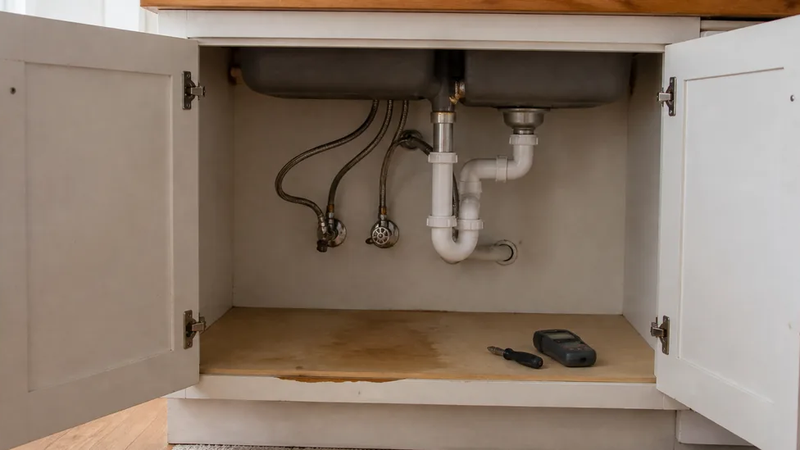
| Dry trap in a seldom-used drain | $0 to a few dollars | Restoring the trap's water seal; no repair if evaporation was the only cause |
| Failed toilet wax ring | $50–$200 | Removing and resetting the toilet with a new seal |
| Main-line clog | $187–$569 | Mechanical cleaning or another clearing method; access and clog complexity matter |
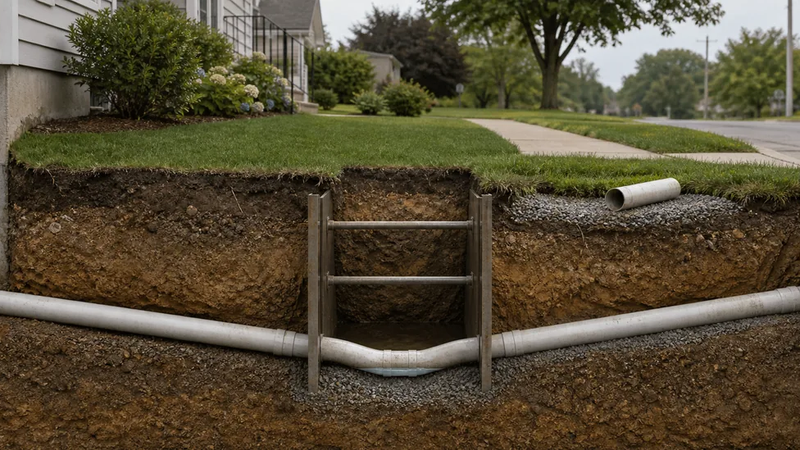
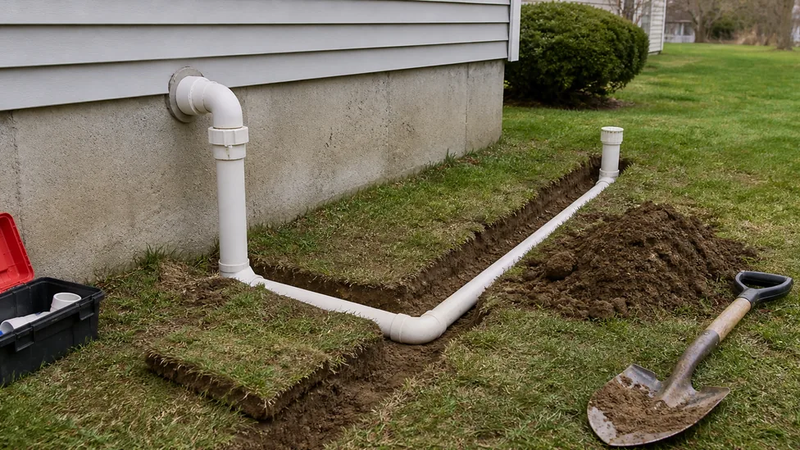
| Sewer-line replacement | $1,388–$5,323 typical range | Excavation or other access, pipe replacement, permits, and restoration as applicable |
A dry P-trap is the curved drain section's missing water barrier. EPA guidance identifies evaporated trap water and poorly located sewer vents as routes that can let sewer gas enter a building. If water restores the seal and the odor does not return, paid work may be unnecessary.
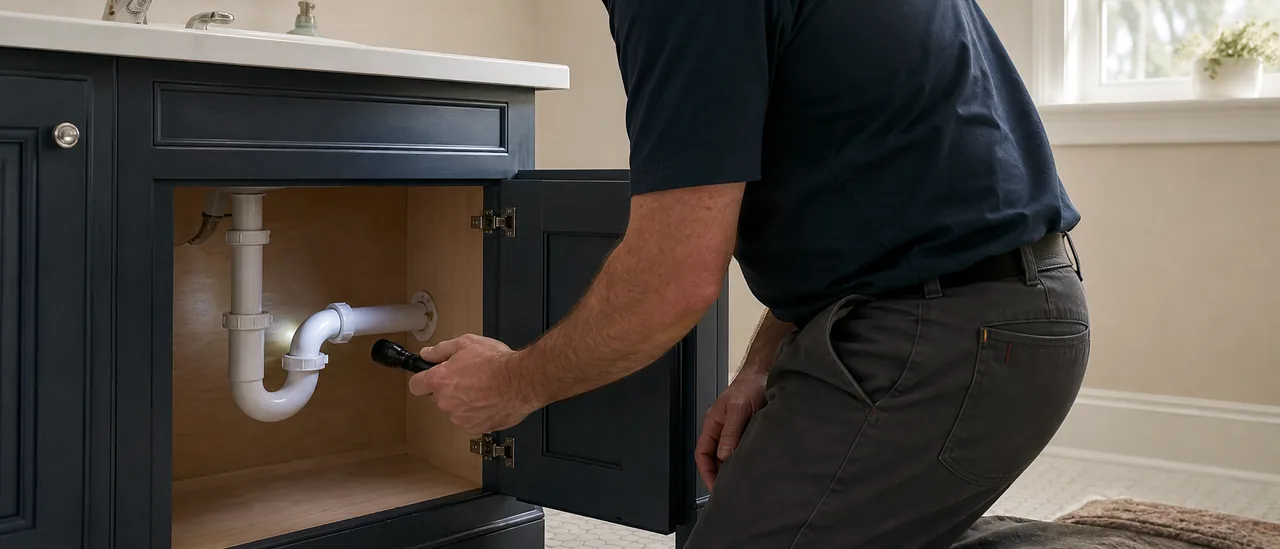
At the other end, recurring odor can come from a failed toilet seal, blocked or leaking vent, damaged drainpipe, clog, or sewer-line defect. The table is not a menu of automatic repairs. A camera inspection, for example, can help evaluate a line but cannot diagnose every toilet-seal or vent problem.
What an estimate usually includes
A straightforward quote may combine the service call, diagnostic time, labor, and a small part. Broader work can add camera inspection, roof or wall access, excavation, permits, disposal, and restoration of drywall, flooring, roofing, or landscaping.
Diagnostic charges deserve their own line. A general plumbing inspection averages about $300, with a broad reported range of $100 to $1,375. A sewer camera inspection commonly costs $271 to $1,727. Some contractors apply an initial fee toward the repair; others bill diagnosis separately, so ask what the quoted total includes.
Why prices vary by house and location
Access often matters as much as the broken component. An exposed trap under a sink is simpler to reach than a vent behind a wall or a buried line beneath a driveway. Pipe length, depth, material, corrosion, and the availability of a cleanout can change labor and equipment needs.
Local wage rates and travel distance affect service charges. Permit and inspection requirements vary by jurisdiction, while restoration costs depend on the surfaces disturbed. Emergency or after-hours scheduling can also increase the bill.
When to obtain a specialist estimate
First identify where and when the odor appears, which fixtures were recently used, and whether any drain is slow or backing up. Seek a qualified plumbing evaluation when refilling little-used traps does not solve the odor, the smell returns, several fixtures are affected, or the suspected source is concealed.
Ask for the diagnosed cause, repair scope, exclusions, permit responsibility, and finish restoration in writing. For major buried-line work, compare estimates based on the same diagnosis and access method; otherwise, the lowest number may simply cover less work.