On this page
Soft-drywall repair costs in 2026
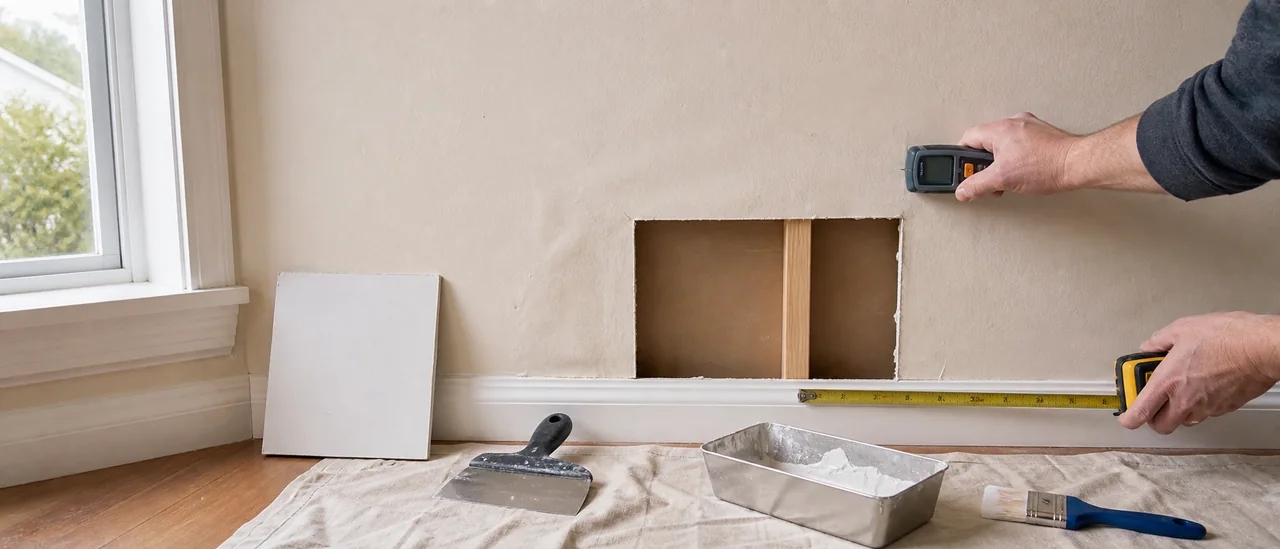
As of August 2026, budget about $250–$1,600 for professional repair of a localized soft area of drywall. That planning range assumes removal of damaged board, a new patch, taping, finishing, and basic paint blending. It does not include stopping a plumbing, roof, window, or condensation problem; replacing insulation or framing; or mold remediation.
For this guide, “soft drywall” means wallboard that has lost firmness, feels spongy, dents under light pressure, or has visibly swollen. Moisture is a common concern, but the price depends on what is found after the area is assessed or opened. The repair size, moisture source, and access or finish requirements usually change the total most.
Low, typical, and high scenarios
| Scenario | 2026 planning amount | Assumed drywall scope |
|---|---|---|
| Low | $250–$400 | About 5 square feet, easy wall access, simple patch, standard smooth finish |
| Typical | $500–$800 | About 10 square feet, cutout and replacement, several finish steps, local paint blending |
| High | $1,000–$1,600+ | About 20 square feet or a whole-wall section, difficult access, texture or broader paint matching |
These scenarios apply a current published range of roughly $50–$80 per square foot to example repair areas. Small jobs may still carry a minimum charge because setup, drying between compound coats, sanding, and cleanup do not disappear when the patch shrinks.
The upper figure is not a cap. A ceiling, tall stairwell, specialty texture, fire-rated assembly, or damage spanning several rooms can require a different scope.
What the drywall price should include
Ask each estimator to identify the repair boundary and list demolition, disposal, replacement board, fasteners, tape, compound, sanding, primer, and paint separately or as clearly defined included work. The quote should also state how much surrounding wall or ceiling will be painted and whether texture matching is included.
Do not assume the drywall line covers the cause. If the panel became soft after a leak, obtain a separate price for correcting that leak and any wet insulation or damaged framing. The U.S. Environmental Protection Agency says wallboard may be dried in place only when there is no obvious swelling and seams remain intact; otherwise, removal is necessary.
A soft spot is not a complete diagnosis
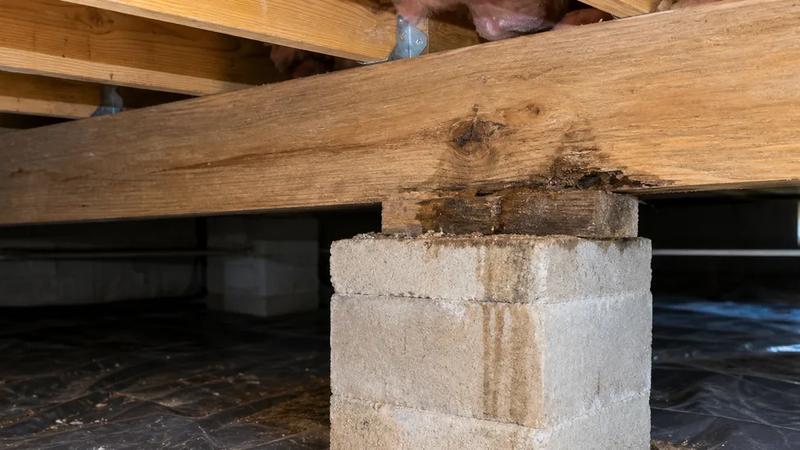
Drywall can hide wet insulation, a leaking pipe, failed window flashing, or another concealed condition. A surface patch should wait until the moisture source and repair boundary are understood.
Why estimates vary by home and region
Labor is a large variable. A 2026 Craftsman estimating reference uses average hourly crew costs of $66.40 for a drywall hanger and $76.20 for a drywall taper. A separate 2026 Craftsman reference instructs estimators to apply geographic modification factors because construction costs differ by area. Those figures are estimating inputs, not homeowner billing rates.
Property details matter just as much. Ceiling work needs overhead access. Cabinets, trim, tile, wiring, and occupied-room protection slow the job. Matching an older texture or repainting corner-to-corner can cost more than installing the patch itself.
When to obtain specialist estimates
Get itemized estimates when softness is spreading, the area remains damp, the source is uncertain, or the quote includes insulation, framing, electrical, plumbing, or remediation work. A qualified trade evaluation is reasonable when the estimate requires opening the assembly or diagnosing the moisture source.
Compare the same scope across quotes. The most useful number separates the drywall finish from the cause, concealed-material allowances, and any broader painting work.